Croatians in Slovenia seek equal minority rights: “Time for mutual respect”
- by croatiaweek
- in News
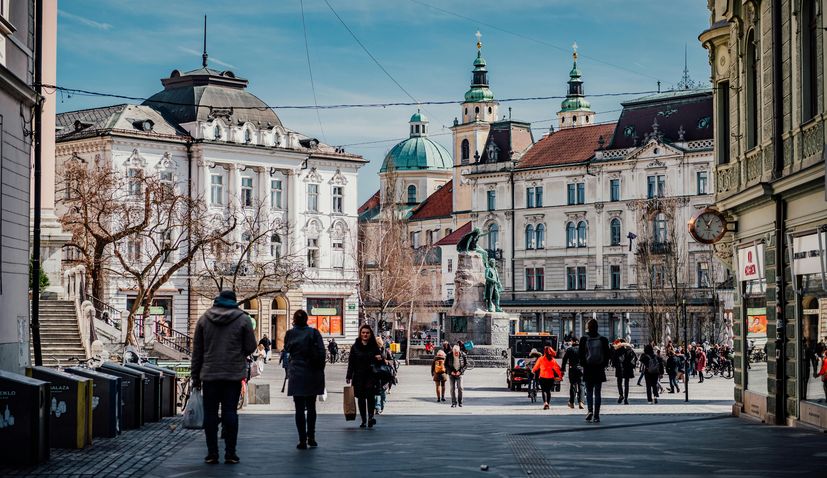
Ljubljana, Slovenia
ZAGREB, 13 November 2025 (Hina) – Representatives of Croats living in Slovenia have again urged Ljubljana to recognise them as a national minority, noting that Croats remain without official minority status despite being an indigenous population in three Slovenian regions.
Speaking in the Croatian Parliament’s Committee for Croats Abroad, community leaders pointed out that Slovenia recognises only Italian and Hungarian minorities, while Croats are classified in a separate category under legislation adopted last year on the cultural rights of communities originating from the former Yugoslavia.
Croatia, meanwhile, recognises 22 national minorities, including Slovenians, who enjoy full constitutional protections.
“We are not seeking division, but mutual respect”
Đanino Kutnjak, president of the Association of Croatian Societies in Slovenia, stressed that the community’s aim is not to create tension but to bring about balance between two friendly nations.
“Croats, through their work, tradition and culture, have long earned constitutional recognition and equal minority status,” Kutnjak said, highlighting the historic presence of Croats in Bela Krajina, Prekmurje and the Slovenian part of Istria.
He also pointed to stark differences in financial support: the Croatian community in Slovenia received €27,000 this year, while the Slovenian minority in Croatia, though significantly smaller, received around €250,000 from the Croatian state budget.
Slovenians in Croatia also have parliamentary representation through MP Armin Hodžić.
According to the last Slovenian census that included ethnic and religious identification, Slovenia is home to slightly more than 33,000 Croats. In Croatia, there are about 7,700 Slovenians, making them the eighth-largest recognised minority.
Diplomatic pressure ongoing
Representatives of Croatian cultural organisations called on MPs to adopt a parliamentary declaration on the issue as a form of diplomatic pressure.
State Secretary at the Ministry of Foreign and European Affairs, Andreja Metelko-Zgombić, assured the committee that the matter is consistently raised at high-level meetings.
“There is no meeting with Slovenia in which the Prime Minister does not emphasise that this remains an open issue,” she said. “We tell them this question will not disappear. It must be resolved in accordance with international law.”
Metelko-Zgombić referred to the Council of Europe’s Framework Convention for the Protection of National Minorities, which obliges states to ensure minority communities can preserve their culture, language and religion, and guarantees freedom of expression, access to media and education in minority languages.
Appeal for balance between neighbours
Kutnjak, whose association brings together 13 Croatian organisations in Slovenia, said the community hopes the issue will be resolved through dialogue and respect for international standards.
“Our goal is simply the establishment of mutual respect between the two countries,” he said.
As discussions continue, Croatian representatives stress that the matter goes beyond legal definitions, touching on cultural heritage, equality and the long-standing ties between the two neighbouring nations.