The man who created one of Croatia’s most important cultural festivals
- by croatiaweek
- in Entertainment
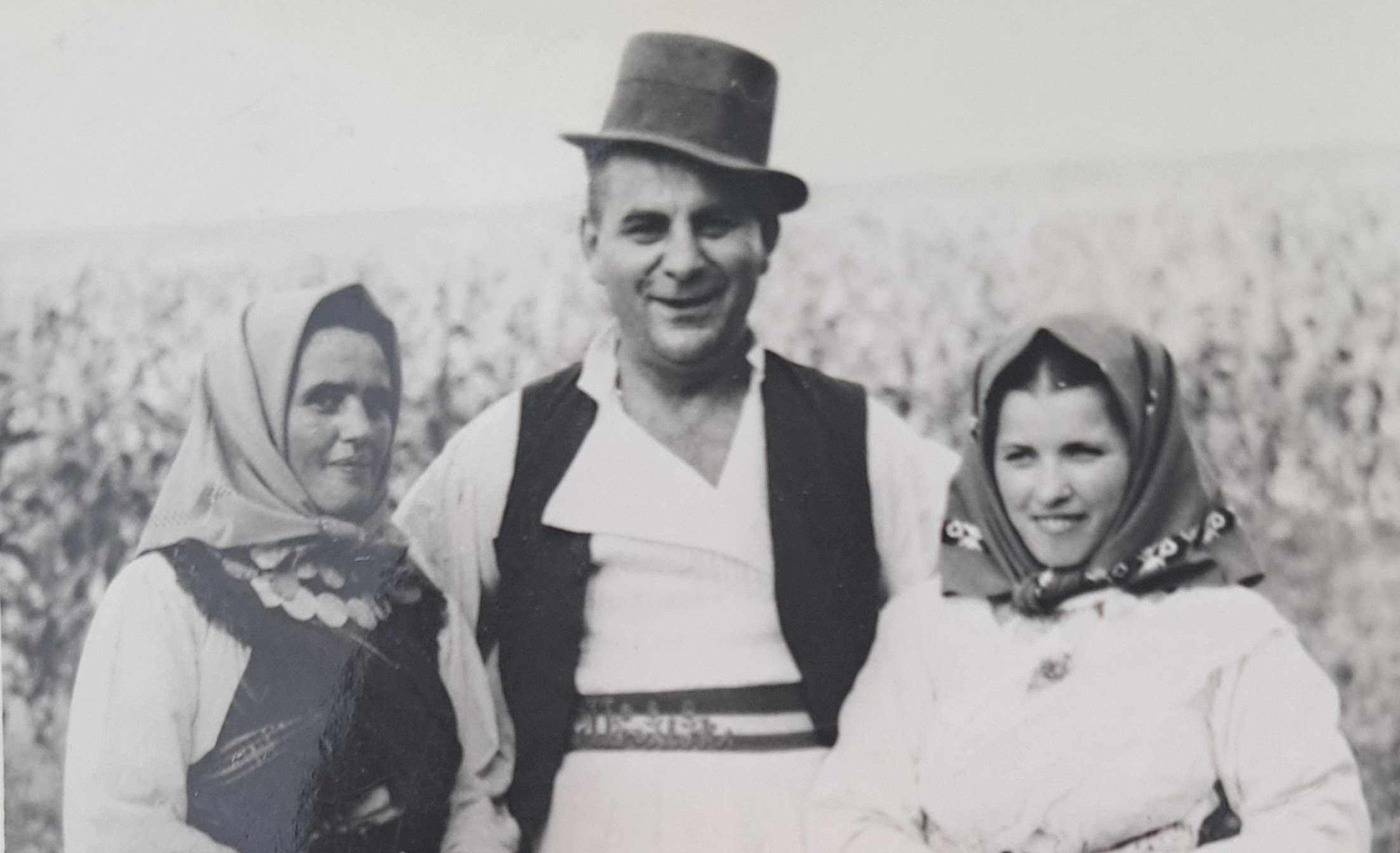
Dragutin Žanić – Karla (Photo: Vinkovačke jeseni)
“This festival must last forever and must never end,” were the words of Dragutin Žanić – Karla, the man regarded as the “father” of Vinkovačke Jeseni, one of Croatia’s most important cultural festivals.
Born and educated in Vinkovci, Žanić went on to study law in Zagreb before entering politics.
Over his long career he served as mayor of Vinkovci, president of the municipality, and three times as a member of parliament.
He also worked as director of Jugobanka, where he was known for opening branches in local villages, believing that every larger settlement should have its own bank.
But it was in the 1960s that Karla left a lasting mark on Croatian culture. With a group of like-minded enthusiasts, he conceived the idea of a large folklore festival to showcase the traditions of Slavonia.
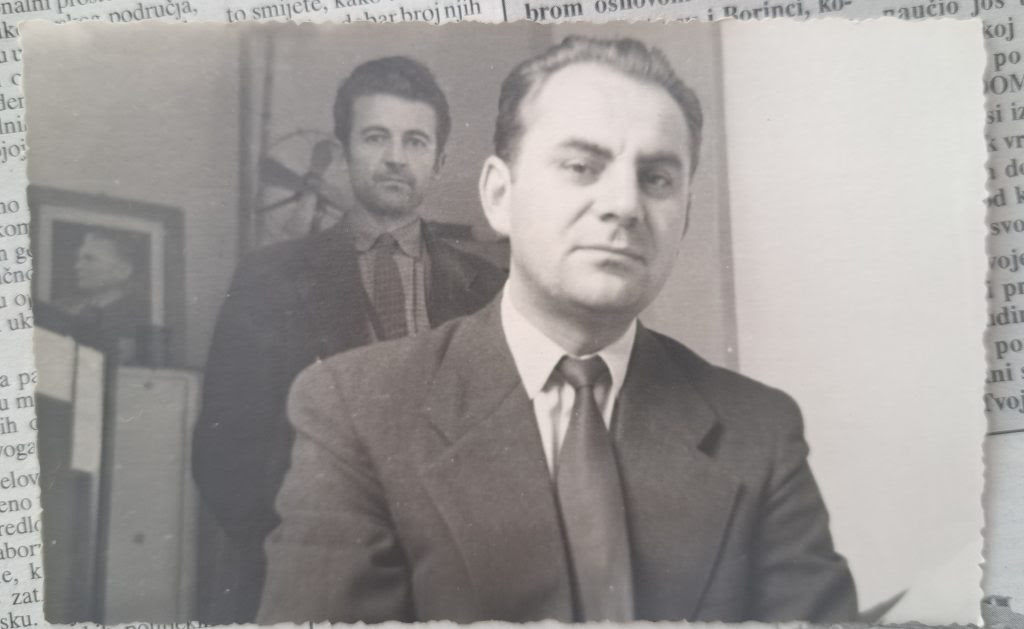
(Photo: Vinkovačke jeseni)
At that time, such initiatives required political approval and courage. His wife Marina recalls: “Many wished for something like this, but few dared to say it. Karla was strong, determined, and fearless.”
Drawing on the smaller village festivals that had taken place after the Second World War, Žanić proposed something far greater – an event that would preserve costumes, songs, dances, and customs for generations.
His moment came in 1966, when Vinkovačke Jeseni was first staged, fitting neatly into a year of major anniversaries in Croatia.
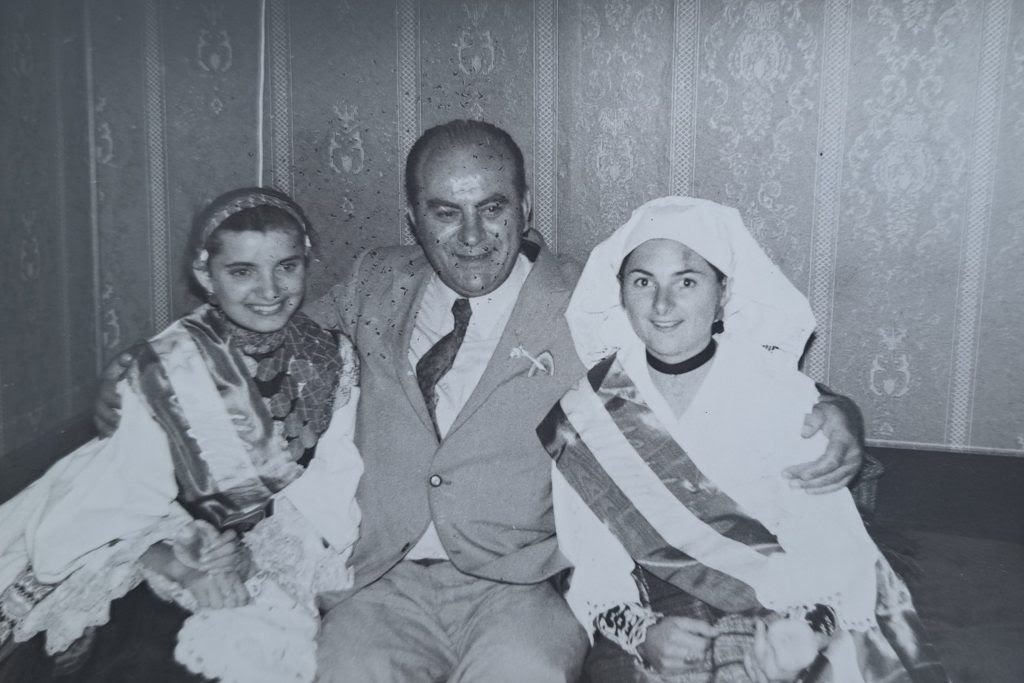
(Photo: Vinkovačke jeseni)
The festival was officially opened by Karla himself, accompanied by the Croatian national anthem – a rare and brave gesture at the time.
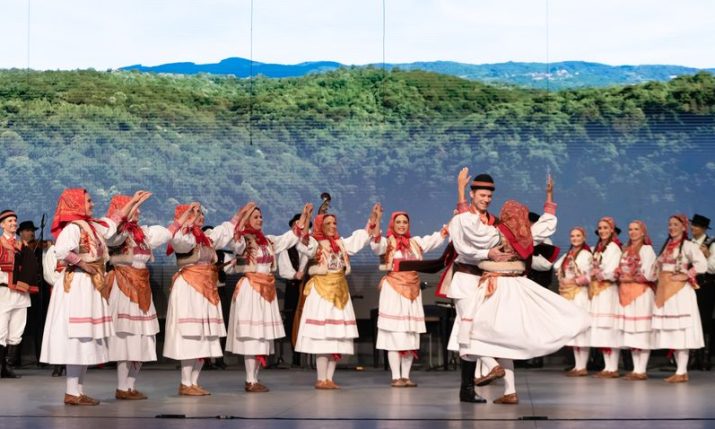
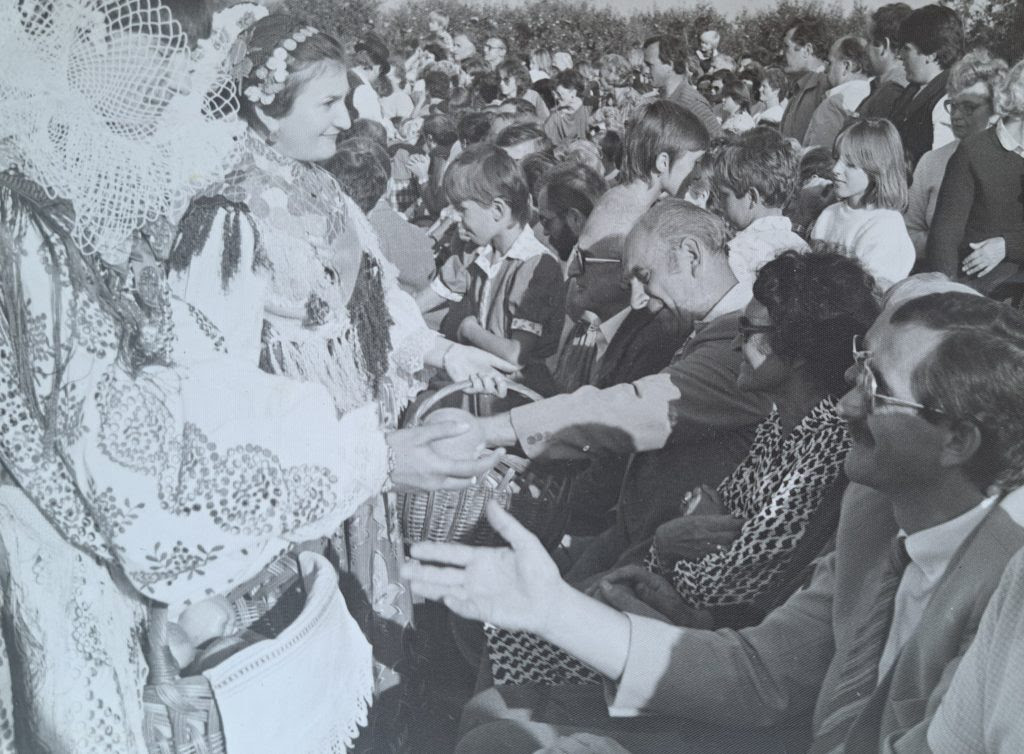
Despite resistance from the ruling Party, the festival took root. Vinkovačke Jeseni soon grew beyond anything its founders could have imagined, becoming a showcase of Slavonian folklore and a symbol of Croatian identity.
Today it attracts thousands of visitors, celebrated both for its cultural value and its role in tourism.
Žanić’s impact on Vinkovci extended far beyond the festival. He played a leading role in major infrastructure projects, including the construction of a new stadium, railway station, hotel, roads, and even the city’s airport.
(Photo: Vinkovačke jeseni)
He also supported electrification of villages, new schools, and factories that boosted the region’s economy. His bold decision to return property to the local church at a time of political hostility towards religion showed his readiness to challenge the status quo for what he believed was right.
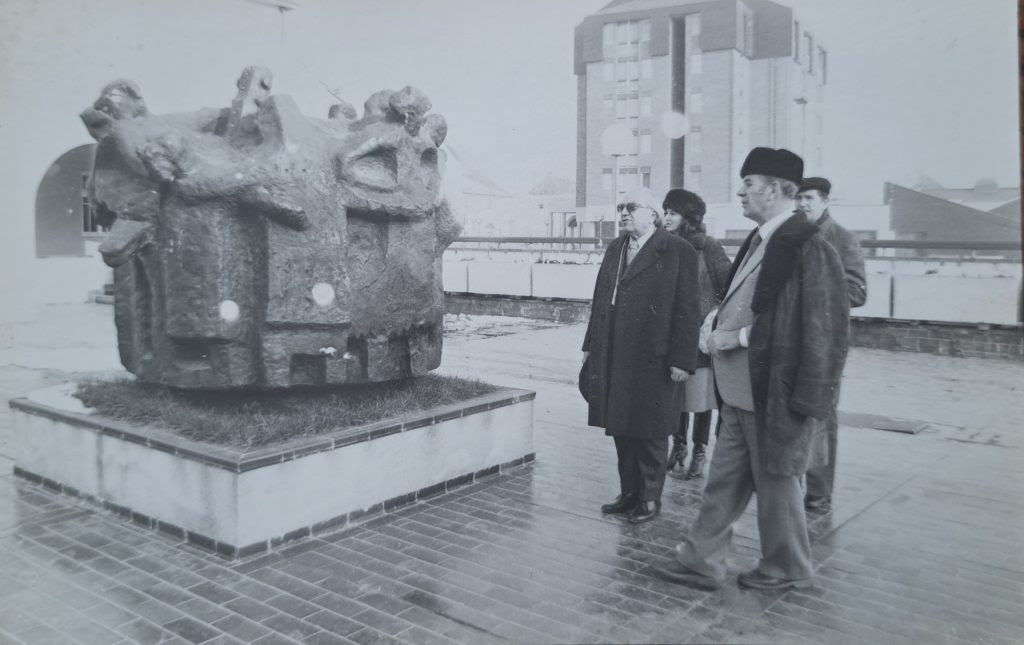
(Photo: Vinkovačke jeseni)
A poet in his private life, Žanić found solace in writing verses, later published by his wife after his death. Yet his greatest legacy remains Vinkovačke Jeseni.
As his friend, sculptor Vanja Radauš, once told him: “Do not let Vinkovačke Jeseni ever fade, for without them Vinkovci will be a forgotten town in Croatia.”
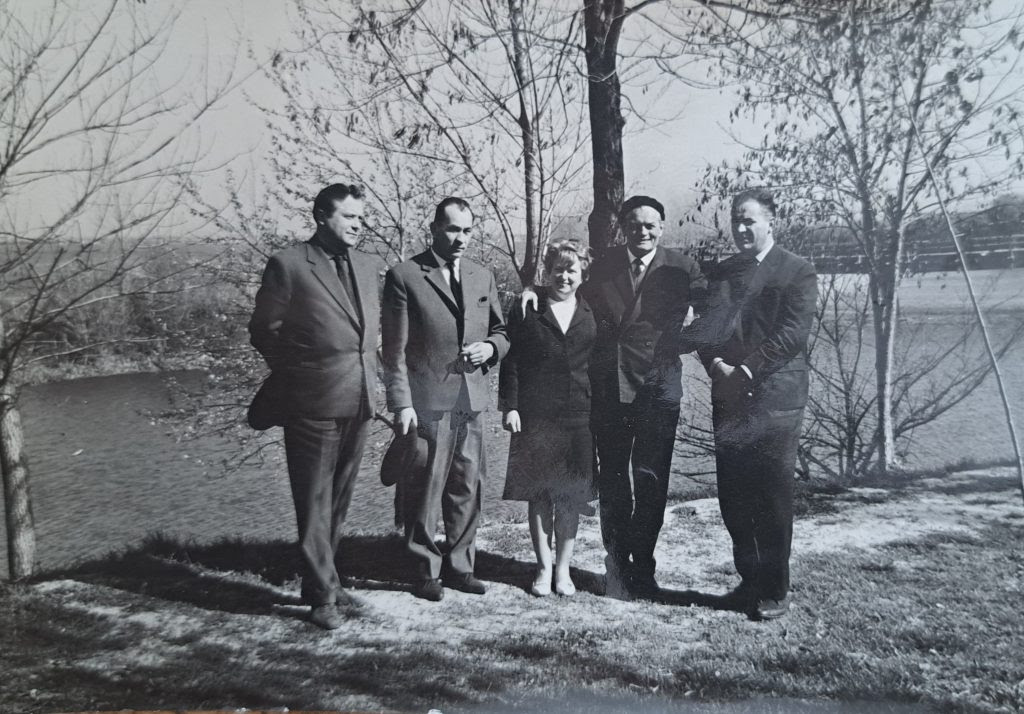
(Photo: Vinkovačke jeseni)
Thanks to Karla’s vision, Vinkovci is anything but forgotten. Each September, the city bursts into colour, song, and dance, a living monument to a man who believed that tradition must endure forever.