Sea urchins in the Adriatic: Delicacy on the brink of disappearance
- by croatiaweek
- in News
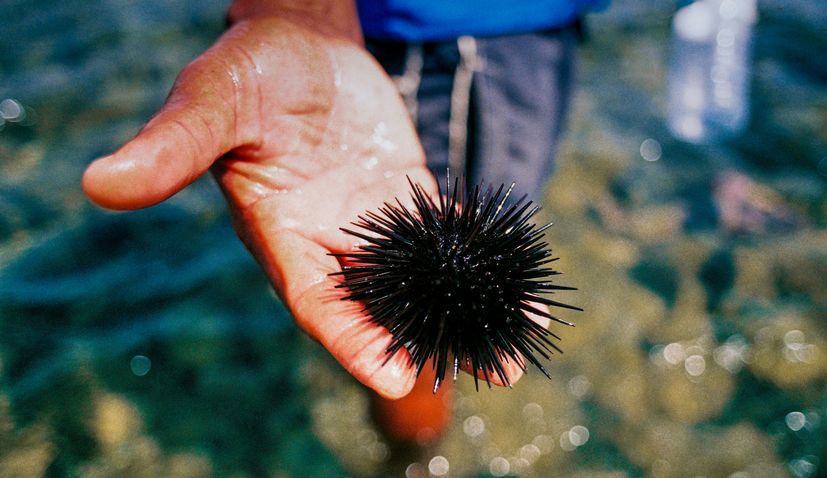
The Adriatic is home to around twenty species of sea urchins, with three being the most common and familiar to swimmers and recreational divers.
But experts are warning that one of these species, the rock sea urchin, is under serious threat due to overfishing.
According to Marin Kirinčić, curator for invertebrates at the Natural History Museum in Rijeka, the rock sea urchin is the most heavily harvested species and is now showing signs of decline, HRT reported.
Divers have reported a noticeable thinning of populations in several locations, including Oštro near Kraljevica.
To properly assess the situation, scientists stress the importance of monitoring fishing grounds to see whether sea urchin populations are able to recover. Only then, they say, can sustainable harvesting be achieved.
A sought-after delicacy
Sea urchins are considered a gourmet delicacy across the world, with prices reaching as high as €100 per kilogram on some markets.
Demand has also been growing among Croatian chefs, making the pressure on local populations even greater.
Difficult to control
Although a system exists to regulate harvesting, enforcement remains difficult.
Former maritime police officer and diver Velimir Vrzić recalls that the role of police was simply to identify offenders and hand them over to the authorities, while courts determined penalties.
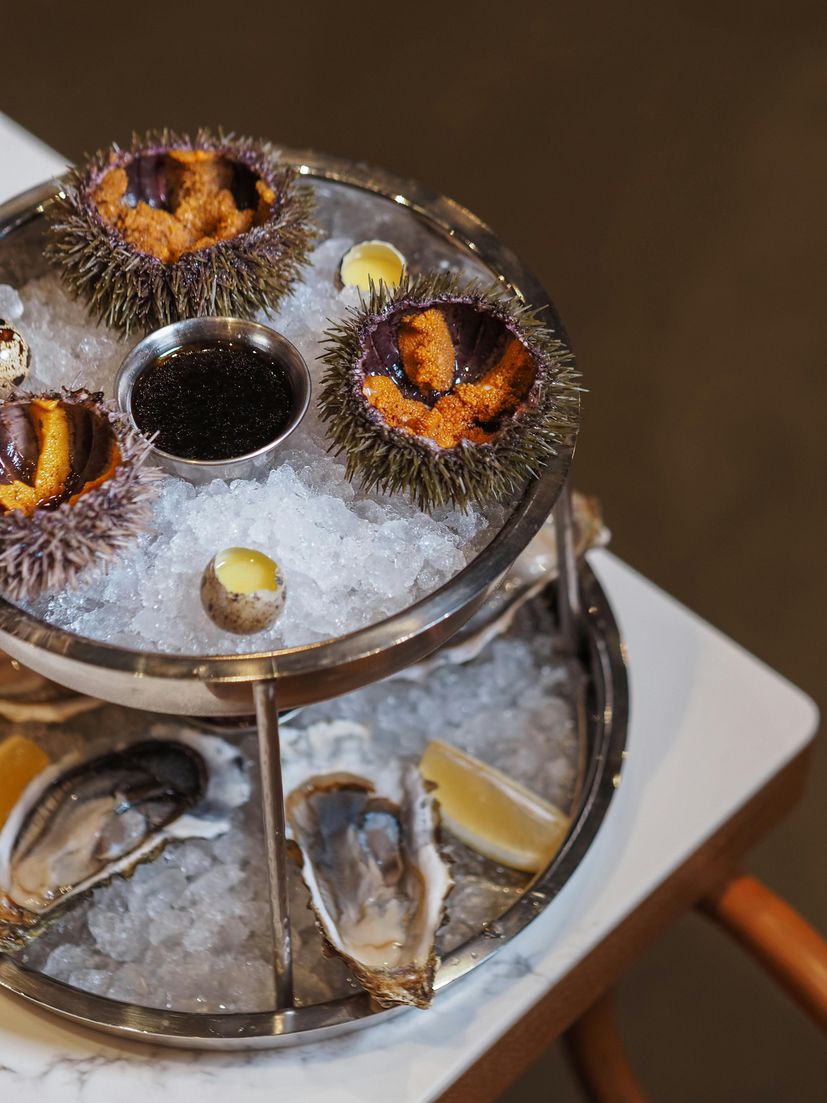
Sea urchin
Beyond illegal fishing, another problem lies in quotas approved by the authorities. Professor Petar Kružić from the Faculty of Science in Zagreb warns that the ministry has set quotas far too high.
While experts proposed a daily limit of 60 kilograms, concessions were granted for up to 300 kilograms – the equivalent of around 6,000 sea urchins per day per concession.
“This leads to entire populations being wiped out,” Kružić said, adding that divers are already reporting empty seabeds in some areas.
Further concerns stem from the lack of oversight of what is actually collected. “A boat unloads into a van, and the catch goes straight to market. There are regulations, but no real control,” Kružić noted.
The issue extends beyond sea urchins, with similar challenges facing sea cucumbers and corals. However, sea urchins play a particularly important ecological role in the Adriatic, keeping algae under control and serving as food for species such as wild gilthead seabream.
A warning for the future
Two decades ago, sea urchin numbers were far stronger, and populations had time to replenish. Today, with higher fishing pressure and insufficient controls, the situation is becoming increasingly precarious.
“If quotas remain at current levels and enforcement does not improve, we will lose sea urchins altogether,” Kružić concluded – a stark warning about the future of a species that is both a culinary treasure and a vital part of the Adriatic ecosystem.