Private rentals in Croatia make shift to long-term tenancies
- by croatiaweek
- in News
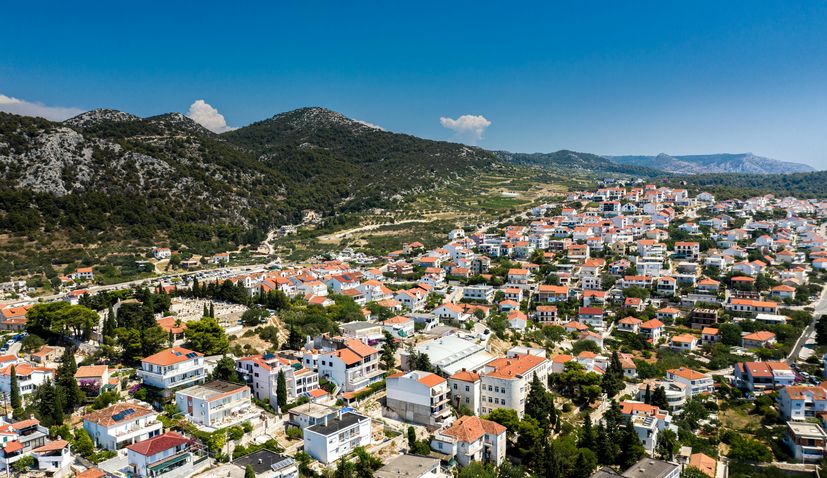
Private rentals in Croatia hit turning point as growth slows
The long-standing trend of constant growth in private family accommodation in Croatia has finally come to a halt.
For years, the number of beds across the country increased by tens of thousands annually, often outpacing demand.
Many apartments and holiday homes were left unoccupied, with some operating for just a month or two each season. Rising costs and taxes have only added to the pressure.
While the decline is not dramatic, a gradual shift is noticeable.
As HRT reported, some property owners are now opting for long-term rentals, leaving tourism to those committed to offering a quality service.
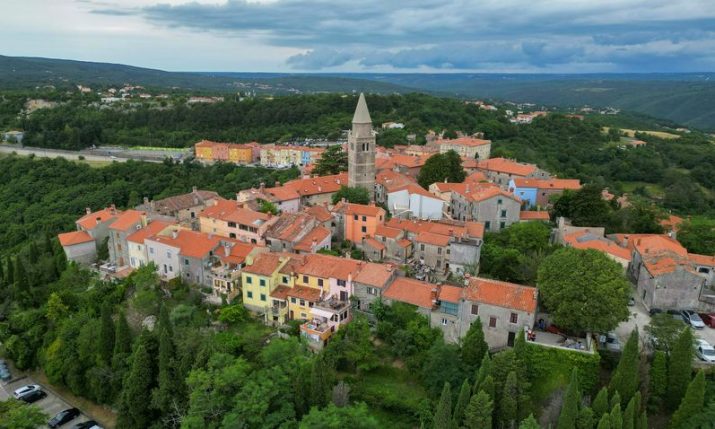
In Istria, for example, the number of beds fell slightly in the first seven months of this year, from 111,884 to 110,853 compared with the same period last year.
For guests who value peace, freedom, nature and a warm welcome, the personal approach of dedicated hosts remains a strong draw.
Families from abroad continue to seek out such experiences, with many homes in Istria fully booked from April until November.
Agencies specialising in high-category villas also report stable demand and no loss of clients to long-term lets, with some even seeing better results than last season.
Nevertheless, the rising cost of running holiday homes is a growing concern. Cleaning, laundry, utilities and multiple taxes are leaving many hosts questioning whether the effort is worth it.
Some retirees, who temporarily move in with family while renting out their homes, are considering leaving tourism altogether.
Others are finding long-term rental to be a more sustainable option. In Medulin, one owner chose to rent to American residents working locally, noting the reduced workload and increased freedom that came with the decision.
Property agencies confirm that demand for long-term rentals is rising, especially in university towns where the market is strong.
According to Boris Žgomba, president of the Association of Travel Agencies at the Croatian Chamber of Economy, some property owners have turned to long-term leases while a smaller share may have slipped into the grey economy.
He notes that areas with universities are particularly attractive for long-term lets, although it remains for inspectors to determine how widespread undeclared rentals may be.
With the sector at a crossroads, Croatia’s family accommodation market is beginning to stabilise after years of relentless growth.
Those who remain in tourism are increasingly those who treat it as a profession, offering genuine hospitality and quality service to guests.