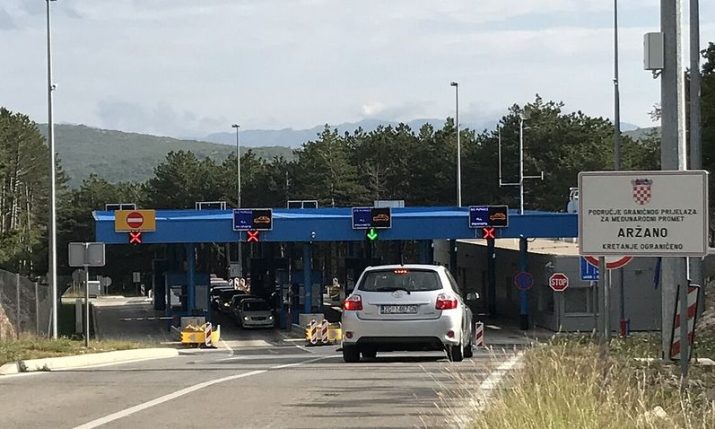
New legal path for thousands of Croatian property owners
- by croatiaweek
- in News
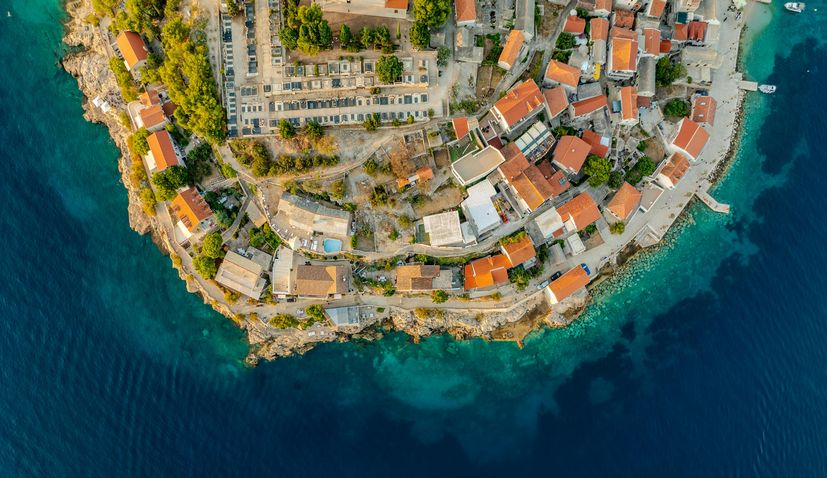
Missed the Deadline? Croatia offers second chance for building legalisation
Thousands of property owners in Croatia are set to get another opportunity to legalise buildings constructed before 21 June 2011, after the government announced plans to remove the previous application deadline.
The original window for legalisation closed on 30 June 2018, leaving many properties, often fully usable but not legally recognised, stuck outside the formal market.
Minister of Physical Planning, Construction and State Assets, and Deputy Prime Minister, Branko Bačić, told Večernji list that this move is intended to help those who met all other conditions but missed the earlier deadline.
The upcoming legal amendments will not be a blanket amnesty. Excluded are buildings located on protected natural areas such as nature parks, maritime zones, infrastructure and energy corridors, state-owned land, forests, and water resources.
Any illegal structures built after June 2011 will remain subject to demolition.
This is not Croatia’s first large-scale legalisation effort. In 2013, following the 2012 Law on Dealing with Illegally Constructed Buildings, around 800,000 applications were submitted, of which 700,000 were resolved.
That process, which included properties on agricultural land outside protected zones, required proof of ownership, aerial survey evidence, and a geodetic report. Despite a four-year extension to 2018, many buildings still remained unlegalised, and illegal construction continued to rise.
The new process will apply only to structures visible on official aerial photographs from 21 June 2011. The aim, Bačić stresses, is not to launch a “new wave of legalisation” but to correct the situation for those left behind.
The move has sparked debate. Critics argue it undermines trust in the legal system and is unfair to those who followed the rules, paid all required fees, and completed legalisation within the set timeframe. Supporters say it could unlock economic potential by allowing properties to enter the legal market.
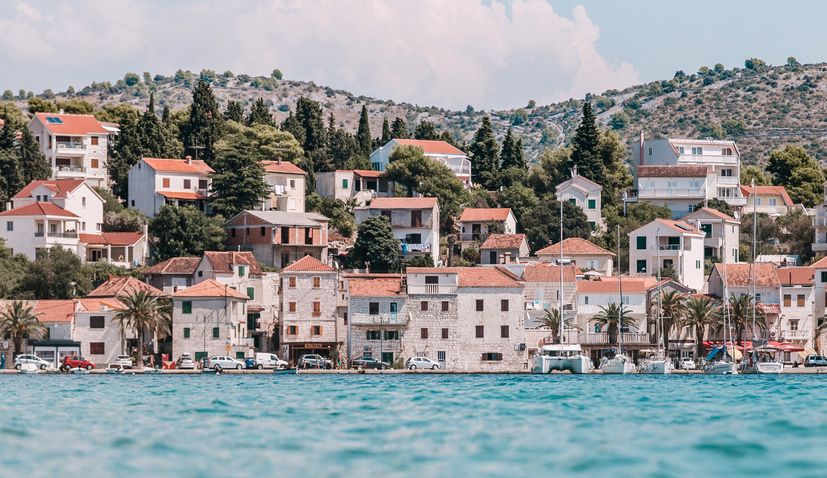
Since the Homeland War and the start of privatisation, Croatia has struggled with widespread illegal construction, particularly along the coast. Weak oversight, war damage, unresolved ownership issues, and incomplete spatial plans have left a legacy that the government is still trying to address.
The proposed legal changes are expected to be adopted by the end of this year.