Flat oyster farming is growing in Croatia
- by croatiaweek
- in Food & Wine
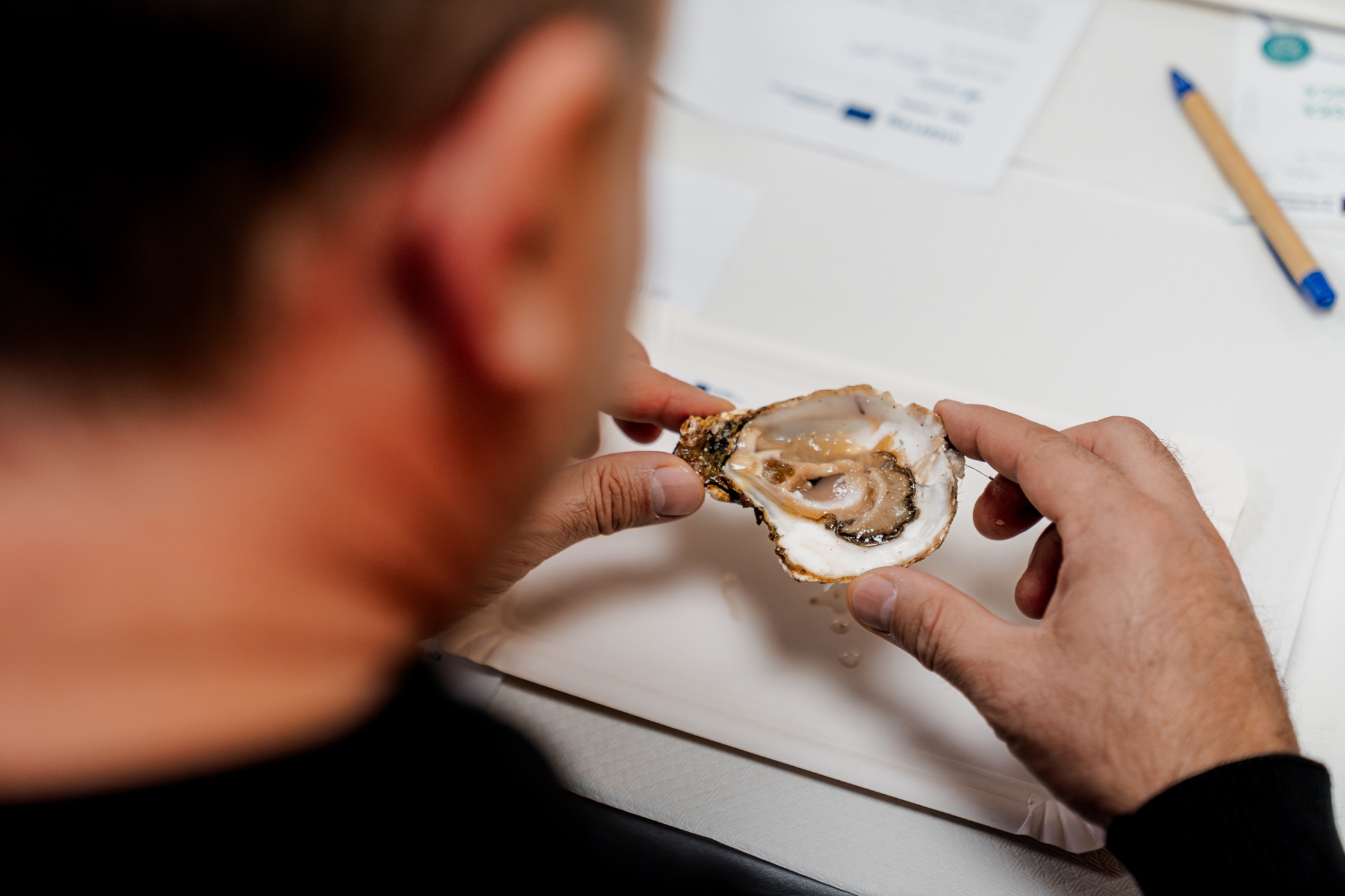
(Photo: Crofish)
Poreč, 23 November 2025 – Interest in European flat oysters in Croatia has surged in recent years, with production growing by around eight percent annually.
As more consumers recognise their nutritional and culinary value, many are also eager to learn how to identify truly high-quality oysters.
To support this growing curiosity, the Marinet project organised free guided oyster tastings for the public at the 17th international fishing fair Crofish in Poreč.
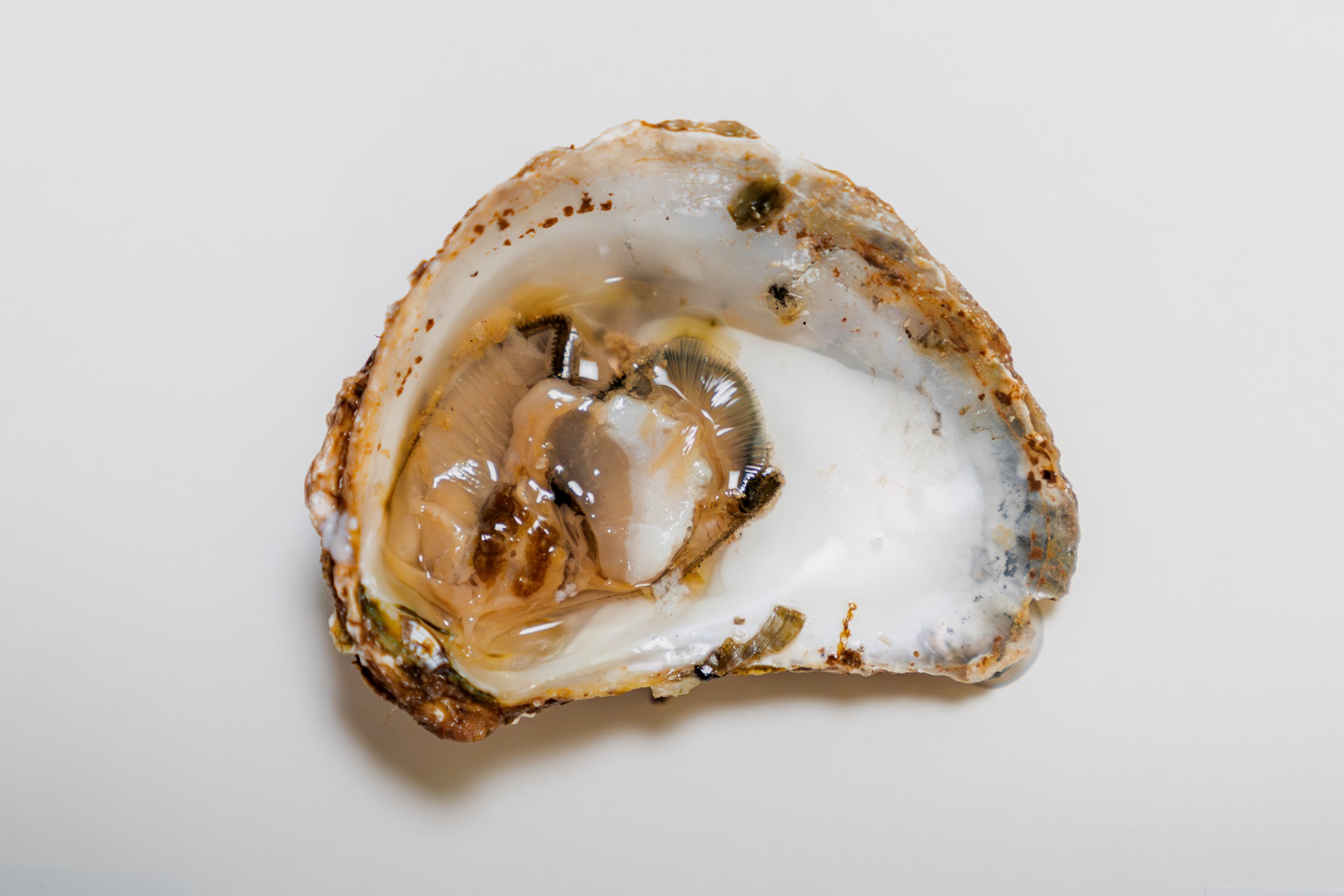
Prof. Dr Jelka Pleadin, scientific adviser at the Croatian Veterinary Institute and head of its Veterinary Public Health Department, highlighted the impressive nutritional profile of Adriatic flat oysters.
(Photo: Crofish)
“The European oyster from the Adriatic is exceptionally nutrient-dense. It is rich in high-quality proteins, omega-3 fatty acids and vitamins A, B12 and D. It also contains significant amounts of essential minerals such as zinc, selenium, copper and iron, all of which contribute to the proper functioning of numerous systems in the human body. With low energy and fat content, including low levels of saturated fats linked to cardiovascular disease, it can rightly be considered an excellent choice in a healthy diet,” she said.

(Photo: Crofish)
Participants of the workshops had the chance not only to taste fresh oysters but also to learn the key sensory elements used to assess their quality.
The tastings were led by Dr Nada Vahčić, Professor Emerita at the University of Zagreb’s Faculty of Food Technology and Biotechnology. She explained that flat oysters are cultivated across Europe, from the south to the north, and that each region produces oysters with distinctive characteristics.
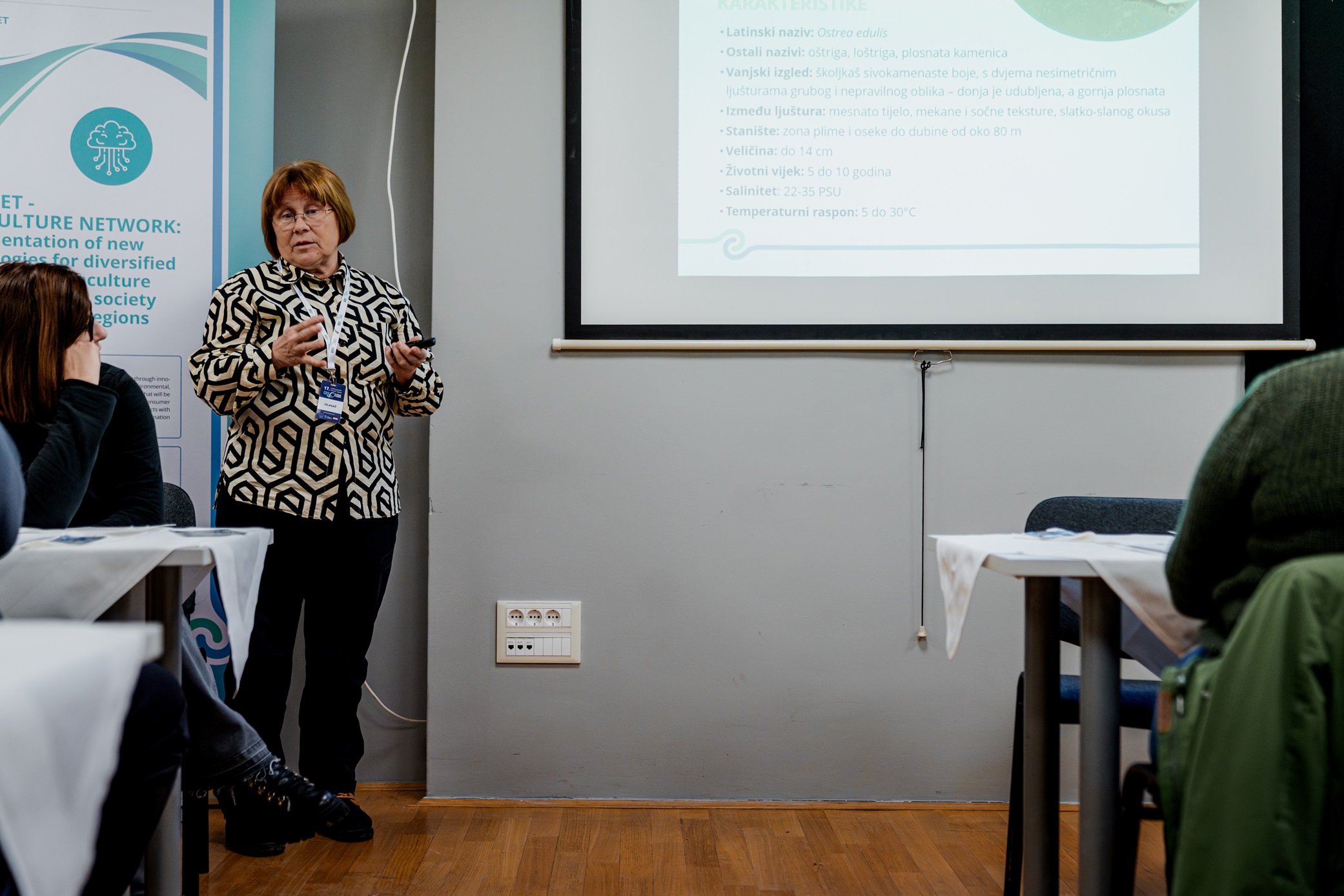
Dr. sc. Nada Vahčić (Photo: Crofish)
“Their uniqueness – and the differences between oysters from our waters and those of the same species from other European habitats – can be seen in their morphology, chemical composition and sensory attributes. These include shell shape, colour and structure, as well as levels of water, protein, fats, carbohydrates and minerals. Sensory traits such as colour, taste, aroma, texture and flavour also vary. All of this is shaped by environmental factors like sea temperature, salinity, habitat features and, in the case of farmed oysters, specific farming conditions,” Dr Vahčić explained.
As part of the Marinet project, the Good AquaFood campaign has been launched to improve public understanding of aquaculture and promote the nutritional value, quality and safety of aquaculture products.
“Alongside free oyster tastings at public events, we run educational quiz competitions and encourage informed consumption of aquaculture products. We’ve created a cookbook with recipes featuring farmed fish and oysters in collaboration with a professional chef, offering practical inspiration for consumers. A key focus is communication through social media, where reliable information on aquaculture is still lacking. Our Good AquaFood Facebook and Instagram channels will regularly share nutritional and culinary tips, recipes and stories from farms – all based on scientific knowledge. Our goal is to debunk myths and build trust in aquaculture as a safe, responsible and desirable choice,” said Jelena Kapeš from the University of Rijeka’s Faculty of Tourism and Hospitality Management.

Jelena Kapeš (Photo: Crofish)
The oyster tastings at Crofish formed part of Marinet – Mariculture Network, a project dedicated to applying new technologies to create a more diverse and sustainable aquaculture sector focused on healthy communities and competitive regions.
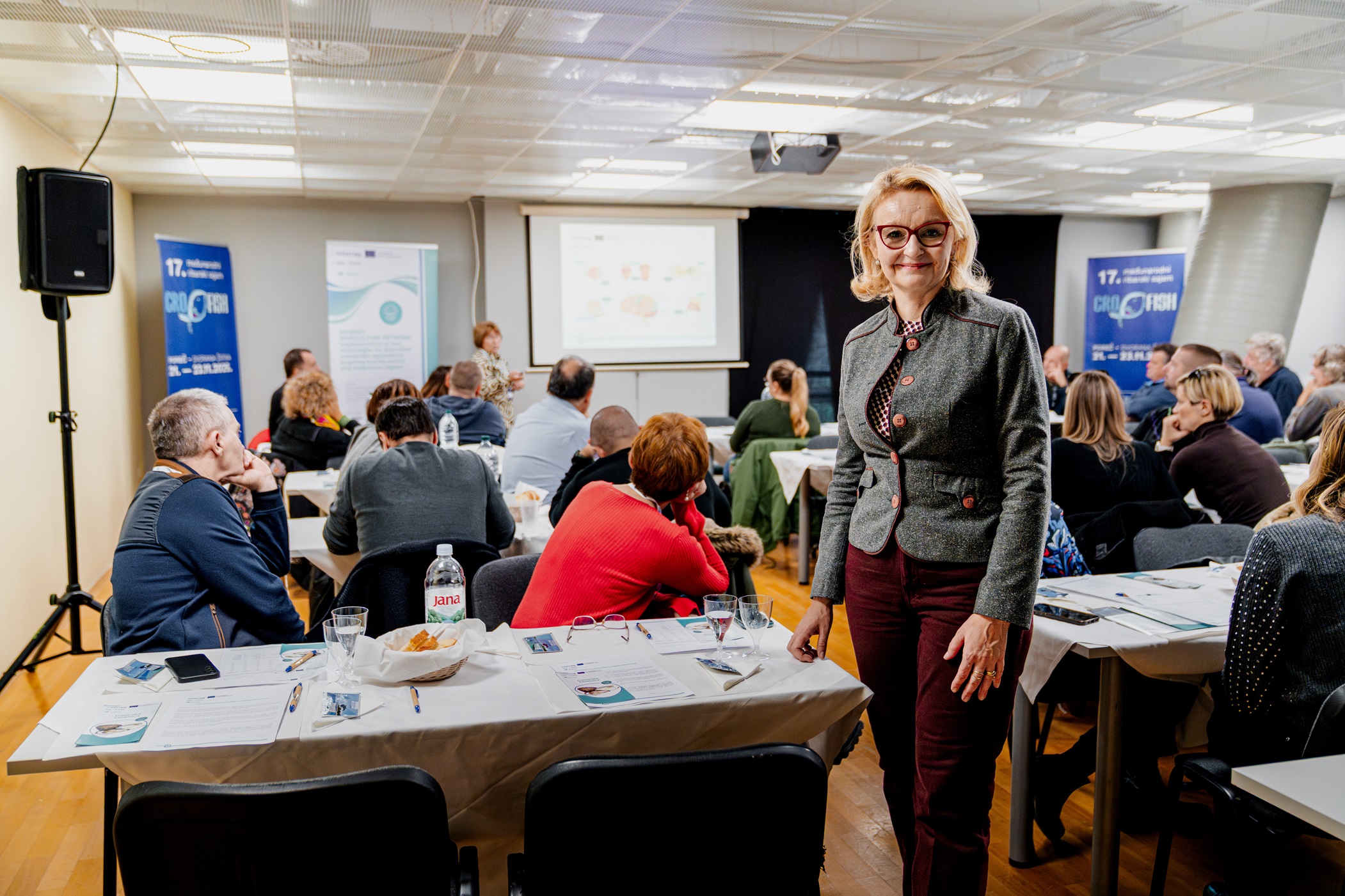
Prof. dr. sc. Greta Krešić (Photo: Crofish)
Marinet is an EU-funded Interreg Italy–Croatia 2021–2027 project that promotes innovation in fish and shellfish farming. It aims to strengthen cooperation between Croatia and Italy and boost biosafety, environmental sustainability and economic development within the sector.