Analysis of labels reveals where rubbish washing up in Dubrovnik comes from
- by croatiaweek
- in News
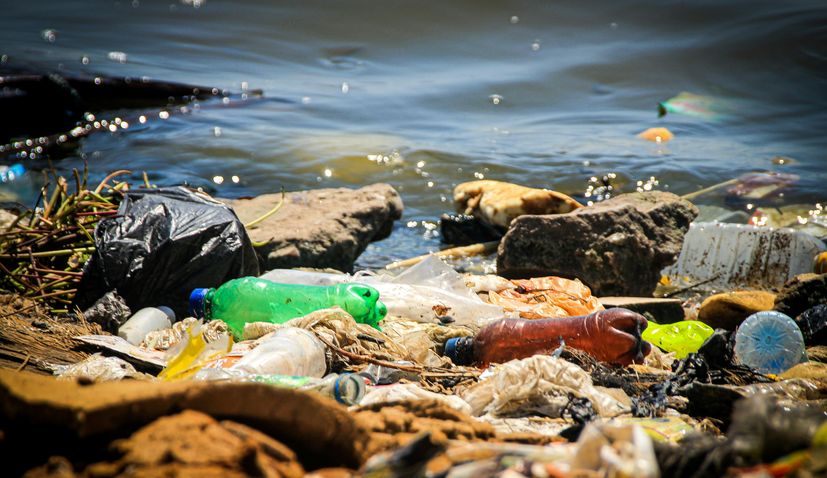
(Illustration)
After recent strong southerly winds (jugo), the long-standing issue of marine waste in Dubrovnik’s waters once again come into focus.
While winter storms often leave the historic Old Port visibly clogged with rubbish, a stark contrast to its summer postcard image, scientists warn that the real problem lies beneath the surface.
A comprehensive, multi-year study conducted by researchers from the University of Dubrovnik’s Institute for Marine and Coastal Research has revealed worrying levels of marine pollution in the Old City port (Porat) and at nearby Posat beach, Dubrovnik net reported.
The research, carried out in two major monitoring periods between 2023 and 2025, represents the most detailed analysis of marine waste and ecological pressures ever undertaken in this area.
Led by Dr Barbara Gangai Zovko, the scientific team recorded large quantities of waste accumulating in the Old Port, despite its enclosed and protected structure.
In the first year alone, 1,324 items of marine litter were documented, followed by a further 600 items the following year.
As expected, plastic dominated – bottles, packaging, plastic fragments and foils – including one striking find: a single plastic sheet measuring 57 metres in length floating beneath the city walls.
Conditions were even worse at Posat beach, which acts as a natural trap for floating debris.
Over two years, researchers collected 2,046 items of waste weighing more than 160 kilograms.
Analysis of labels and markings showed that while a majority of the waste originated locally, a significant portion arrived via sea currents from Albania, Italy, Bosnia and Herzegovina, Montenegro and Greece.
This confirms that marine pollution in the Adriatic is a transboundary issue, with waste travelling freely across national borders.
Beyond visible litter, the study highlighted the growing threat of microplastics. Mussels collected from the area contained between 4.6 and 38.5 microplastic particles per gram of tissue, with the highest levels recorded during winter storms.
As filter feeders, mussels absorb and retain these particles, posing risks to the marine ecosystem and, indirectly, to human health.
Researchers also recorded elevated levels of bacteria such as Escherichia coli and intestinal enterococci following heavy rainfall, linked to runoff entering the port. Plastic debris was found to act as a carrier for microorganisms and marine life, with algae colonies and even the goose barnacle (Lepas anatifera) detected on floating waste – raising concerns about the spread of non-native species.
According to the scientists, strong jugo winds and heavy rain are the main drivers behind increased waste accumulation. The enclosed nature of the Old Port means that while debris easily enters, very little escapes.
What needs to be done?
The Institute for Marine and Coastal Research has issued clear recommendations: year-round monitoring of marine waste and water quality, better control of plastic sources and runoff, the possible installation of waste-collecting barriers, continued public education, especially among children and tourists, and stronger support for research into plastic-reduction technologies.
As Dr Gangai Zovko stresses, the key message is simple: the sea does not forget. Every piece of plastic and every polluted discharge remains part of the marine system.
Dubrovnik, one of the Adriatic’s most recognisable symbols, deserves a sea as clean as its streets, free from hidden pollution and long-term neglect. As researchers conclude, this work marks the beginning, not the end, of efforts to protect it.