Croatian tourist guides oppose law letting foreigners lead tours
- by croatiaweek
- in News
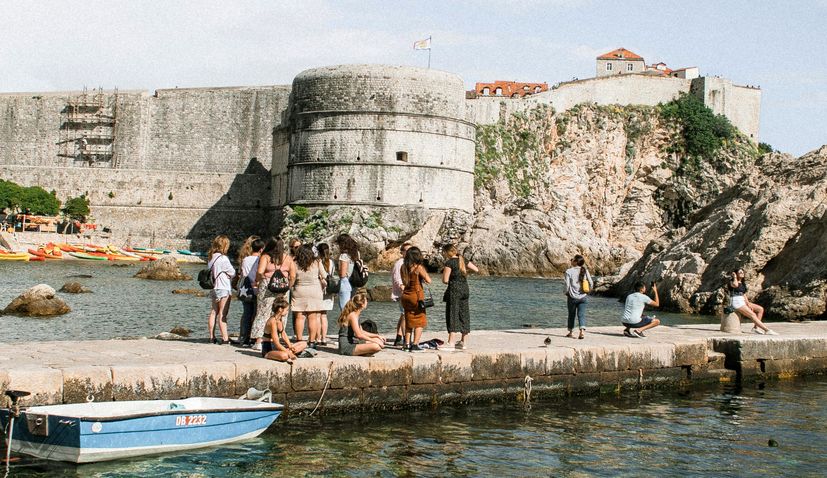
Croatia’s tourist guides have raised serious concerns over proposed legal changes which, they say, will degrade their profession and strip away authenticity from the visitor experience.
As part of Croatia’s path to joining the OECD, one of the conditions is further liberalisation of the market, allowing guides from other member states to lead tours across the country.
Amendments to the Law on the Provision of Services in Tourism are currently in parliamentary procedure, sparking strong opposition from domestic guides.
Under the changes, guides from countries such as Japan, the United States or South Korea would be permitted to lead tours in Croatia simply by holding a guiding licence from their home country.
Local guides fear this will diminish the unique insight visitors currently receive.
“A lot of local details will be lost. Tours will lack the substance that only a local guide can provide,” Vinka Skorić, a professional tourist guide, told HRT.
Diana Bolanča, president of the Tourist Guides Association ‘Mihovil’ Šibenik, stressed the importance of authenticity.
“We grew up here, we live here, we are part of this culture. We know how to tell these stories. That is what we offer – authenticity.”
Luka Pavlović, president of the Split Tourist Guides Association, warned that foreign colleagues cannot truly explain Croatia’s past and traditions.
“With all due respect, it is very difficult for a colleague from Spain, France or Colombia to interpret our history and customs. I believe it is impossible. By many measures, this law is highly unfavourable.”
Guides also argue that the changes will directly affect quality.
“We are not afraid of competition. This is about the quality of service. It will lower standards and raise questions about the impression tourists take home,” Bolanča said to HRT.
One of the most controversial elements is the lifting of restrictions on guiding at protected sites. Currently, only local guides may work at many cultural and historical landmarks, but under the new law, exemptions will apply only to sites connected to the Homeland War.
Even UNESCO-listed monuments would no longer be reserved for Croatian guides.
Pavlović highlighted the importance of this:
“UNESCO monuments represent the highest level of cultural heritage worldwide, and Croatia has many. Not to mention our intangible cultural heritage – this can only truly be presented by our guides, as ambassadors of Croatia.”
The government argues that international guides can access literature on Croatian heritage. But Kristina Nuić Prka, vice president of the Croatian Tourist Guides Community, dismissed this as unrealistic.
“Do you think the average person will study every book on UNESCO heritage? They will open Wikipedia. We will end up with tours guided from Wikipedia, which is frightening.”
For many guides, every lost tour is a blow to their livelihood. They also point out that many countries protect their own guides through strict regulation.
Croatian associations are therefore calling for reciprocity – if Croatian guides cannot freely work abroad, they say, the same rule should apply to foreign colleagues in Croatia.