Croatian National Bank announces digital euro to be introduced
- by croatiaweek
- in News
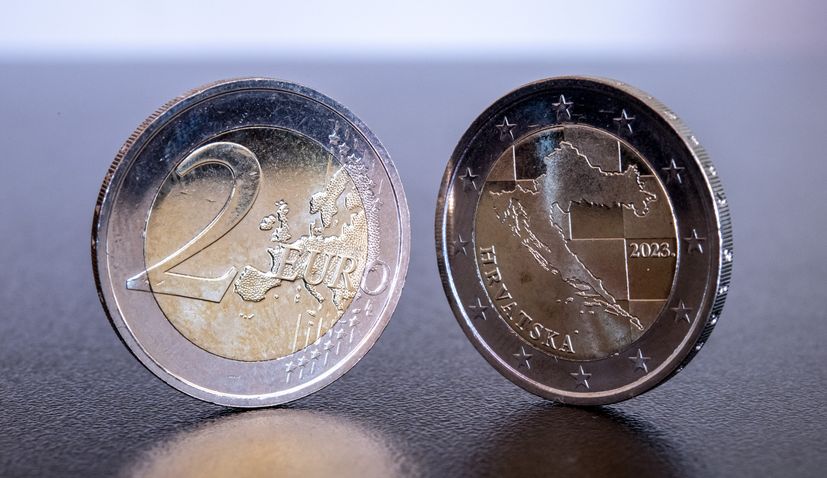
(Photo: HNB)
The Croatian National Bank (HNB) has confirmed that the digital euro could be introduced as early as 2028, stressing that the new currency will not replace cash.
The introduction of the digital euro, which could come as early as 2028, will not mean the end of cash, banknotes, or coins. On the contrary, the Croatian National Bank (HNB) has emphasised that new EU regulations will further safeguard the role of physical money.
“In light of growing public and media interest, we once again underline that the planned introduction of the digital euro does not mean the abolition of cash,” HNB said in a statement.
Although digital payments have increased in recent years – particularly during the COVID-19 pandemic – cash remains highly demanded across all age groups.
According to the 2024 Study on the Payment Attitudes of Consumers in the Euro Area (SPACE), Europeans clearly want to retain the ability to pay with cash and expect it to remain available in the future.
Recognising this, the European Central Bank (ECB) and the European Commission are working on strategies to protect the role of euro banknotes and coins.
In June 2023, the European Commission presented its Single Currency Package, which includes two key legislative proposals:
• one to safeguard euro banknotes and coins as legal tender;
• another to introduce the digital euro.
The proposals aim to ensure that cash and digital payments complement each other, giving citizens a wider range of secure and reliable payment options.
Under the new regulation, traders and service providers will generally be obliged to accept cash, with only a few exceptions. Member states will also have to guarantee sufficient access to cash through ATMs, bank branches, and other channels.
The goal is to maintain cash as an inclusive and dependable means of payment, particularly for those who rely on it most.
At the same time, the ECB has launched a competition to design a new series of modern, more secure euro banknotes – another sign of long-term commitment to cash.
Cash plays a crucial role in financial inclusion and resilience. In times of crisis, such as cyberattacks, power outages, or natural disasters, cash provides a reliable backup.
For this reason, the Eurosystem is committed to keeping it widely available and accepted across Europe.
What is the Digital Euro?
The digital euro would be a form of electronic money issued by the Eurosystem – the ECB and national central banks in the euro area. It is being developed in response to the growing demand for secure electronic payments.
Citizens would use it for everyday transactions, either via card, mobile app, or other future payment devices. It will be free to use for basic functions and designed with strong privacy protections.
Unlike bank deposits, the digital euro will not bear interest, nor will it be subject to negative rates.
It will not restrict investment choices – concerns about such limits are unfounded, HNB stressed.
Payments would be instant, secure, and possible both online and offline, ensuring availability even in situations with limited connectivity.
The project is currently in its preparation phase, which includes developing the technical infrastructure, shaping the legal framework, and studying consumer preferences. By the end of 2025, the ECB is expected to decide whether to move to the next stage.
The final decision, however, will rest with the European Parliament.
If approved, the digital euro could be launched in 2028, offering Europeans both physical and digital money side by side – with cash guaranteed to remain part of everyday life.