30,000 Croatians return home in last 3 years, many launching businesses
- by croatiaweek
- in Business
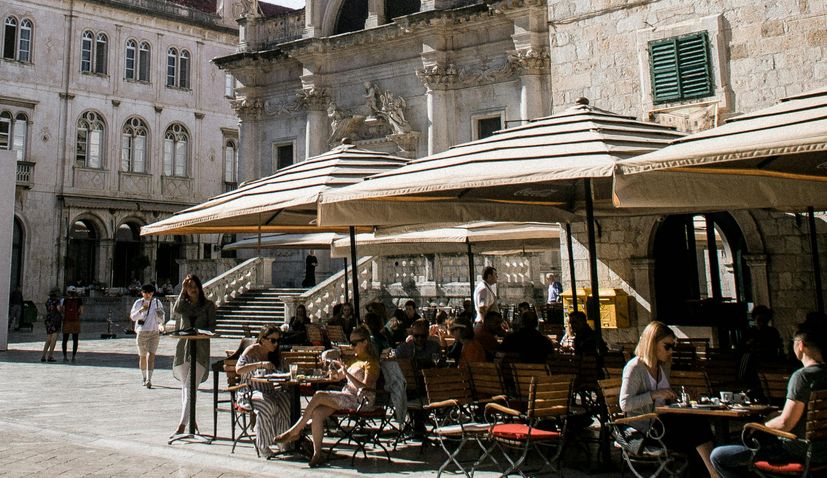
High living costs abroad driving more Croats back home
Around 30,000 Croats have returned home from abroad over the past three years, according to the latest figures from the Croatian Bureau of Statistics.
Many of them are choosing to open small businesses or companies in construction, services, and technical industries, often with the support of state programmes designed for returnees.
The trend of return migration has been steadily rising, with approximately 10,000 Croats moving back each year.
A growing number are deciding that life in Croatia offers both professional opportunities and a stronger sense of community than they experienced abroad.
As HRT reports, one such example is Matej Vrdoljak, who spent more than a decade living abroad – a year in Canada and several years in Ireland, where he met his wife Kate.
After 12 years away, the couple decided to return to Osijek a year and a half ago. Drawing on his experience in hospitality, Matej and his wife opened a healthy food restaurant.
“We talked about wanting to open a café or a restaurant, and that gave us the push,” Vrdoljak explained. “My wife also wanted to come earlier to experience a new culture and way of life, as she had never lived outside Ireland.”
For Matej’s family, the return brought joy after many years apart. “We couldn’t believe it, we were overjoyed,” his mother Marijana said. “He lived away from us for 11 years, so I don’t think there’s greater happiness for parents than having their children return.”
The high cost of living in other European countries has also been a major factor in encouraging Croats to come home. Dragica Kolarević, who lived in Germany for two years working in administration, returned last year.
“I missed my family, and the cost of living was rising,” she said. “Rents are expensive, services are expensive, and when I compared everything, I realised it wasn’t worth staying away.”
Like Vrdoljak, she decided to start her own business after returning.
Government programmes have played a key role in supporting such transitions. The “Biram Hrvatsku” (I Choose Croatia) measure, run by the Croatian Employment Service, has already been used by over 1,100 returnees, HRT said.
This year, those applying for support can receive up to €27,000 in grants for self-employment.
In addition, the Ministry of Demography offers further benefits for returnees, including income tax exemptions for five years and housing support schemes. Ivana Perkušić, head of the Ministry’s Immigration Department, highlighted new provisions in the draft Law on Housing in Assisted Areas.
“This allows returnees to access the state housing fund, which is a significant step forward,” she said.
With more than 30,000 Croats returning over the last three years, and the numbers continuing to grow annually, the trend suggests that many are increasingly viewing Croatia as a place to build their futures, bringing with them skills, experience, and entrepreneurial energy gained abroad.