Traditional Croatian tattoo art features on impressive new bridge in New Zealand
- by croatiaweek
- in News
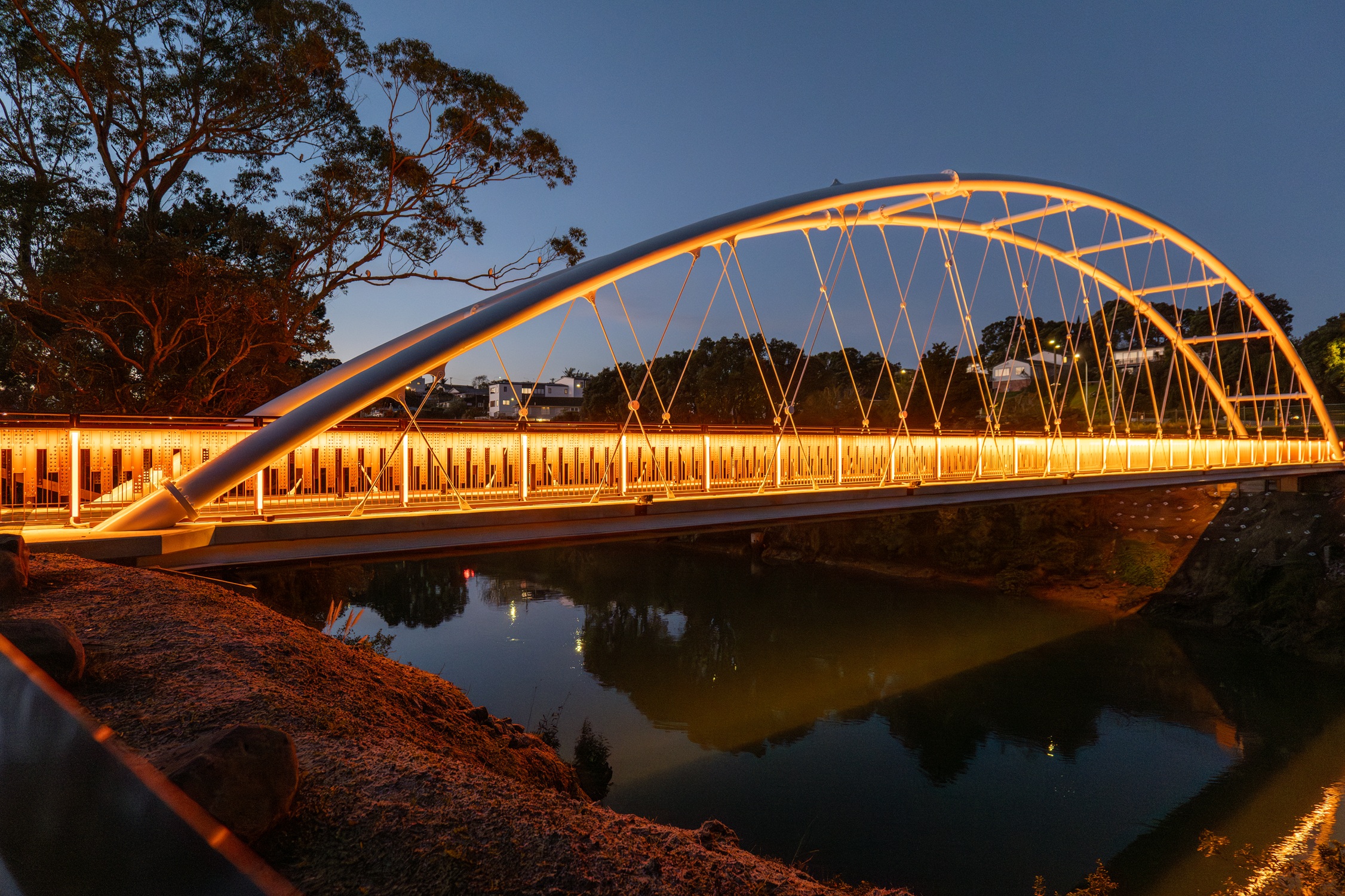
(Photo credit: Jay Farnworth)
The traditional old Croatian tattoo art of sicanje features on a new bridge in the New Zealand city of Auckland.
Croatian-Kiwi artist Shannon Novak, whose family arrived in New Zealand from the island of Brač in 1914, weaves these motifs together with Māori symbolism, turning the structure into a testament to shared histories, protection, and belonging.
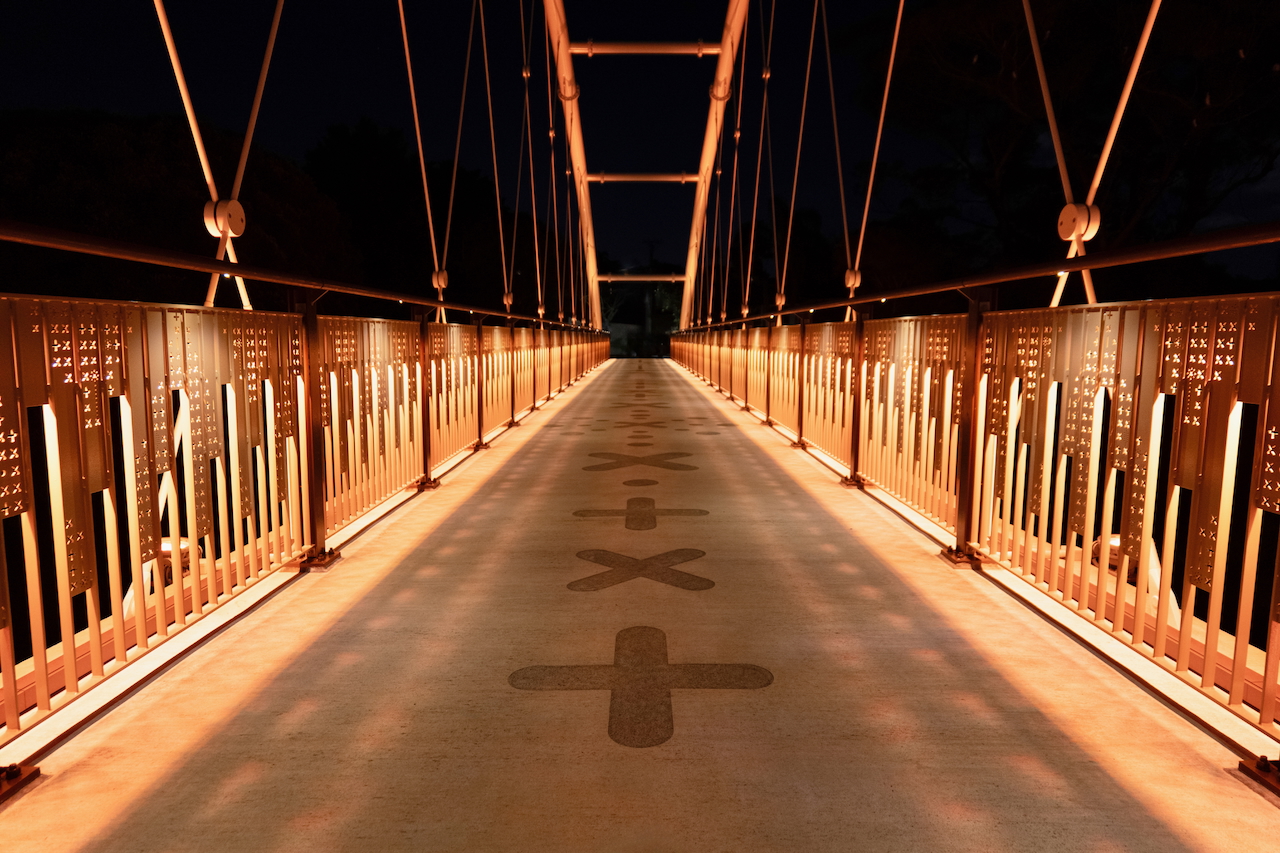
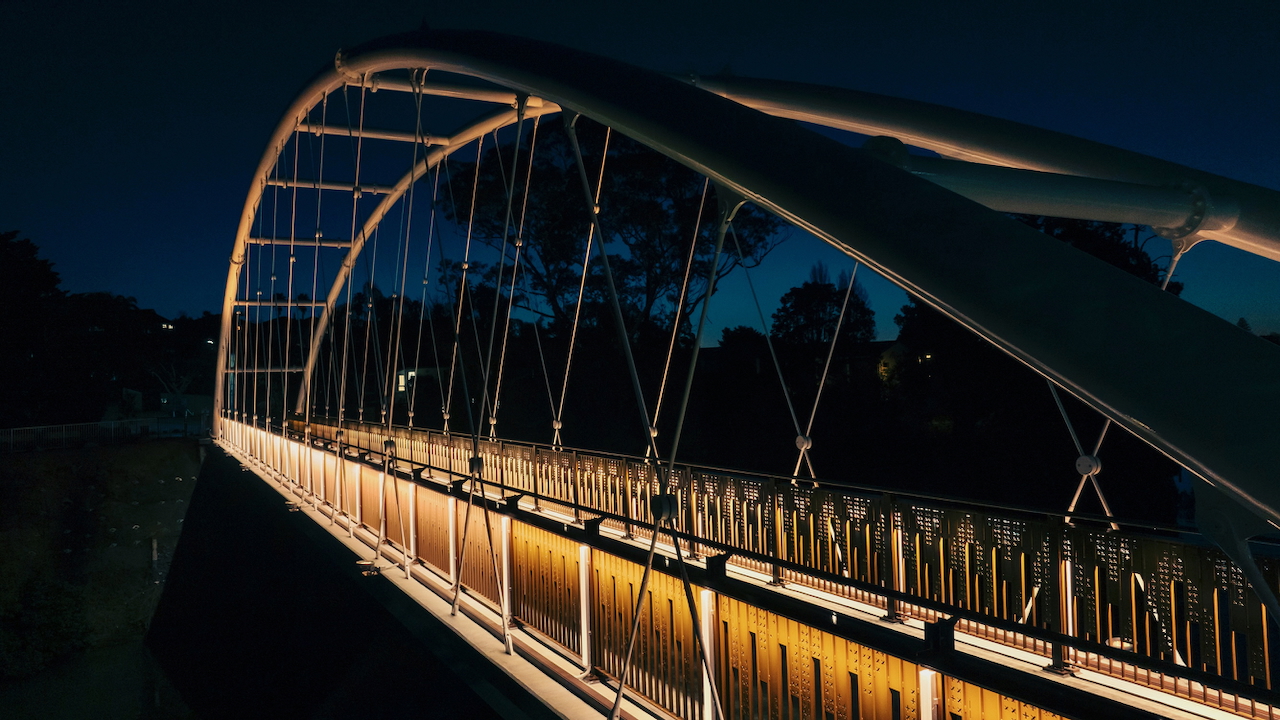
Opened recently, two sides of the lagoon in Panmure are connected again with an architecturally exceptional walking and cycling bridge.
This replaces an old bridge taken out of service in July 2023.
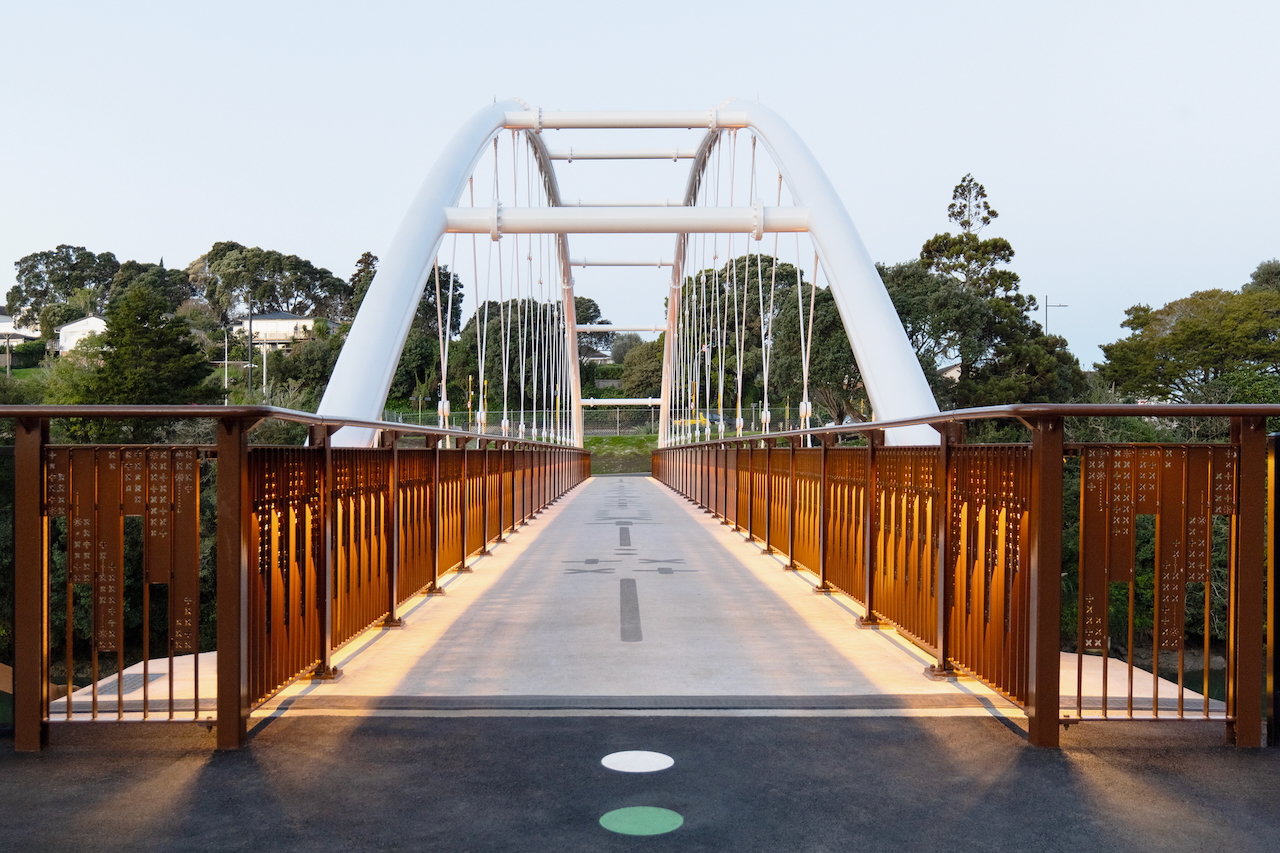
(Photo credit: Jay Farnworth)
The shared vision and partnership of Ngāti Pāoa Iwi Trust and Maungakiekie Tāmaki Local Board were central to the delivery of the new bridge, with Auckland Council Public Art expertly integrating art into the infrastructure.
Gifted by Ngāti Paoa, the bridge’s name is Te Kōpua o Hiku. The story behind the name is shared by Drina Paratene: “Te Kōpua o Hiku means The Deep Pool of Hiku, referring to the deep pool beneath the bridge.
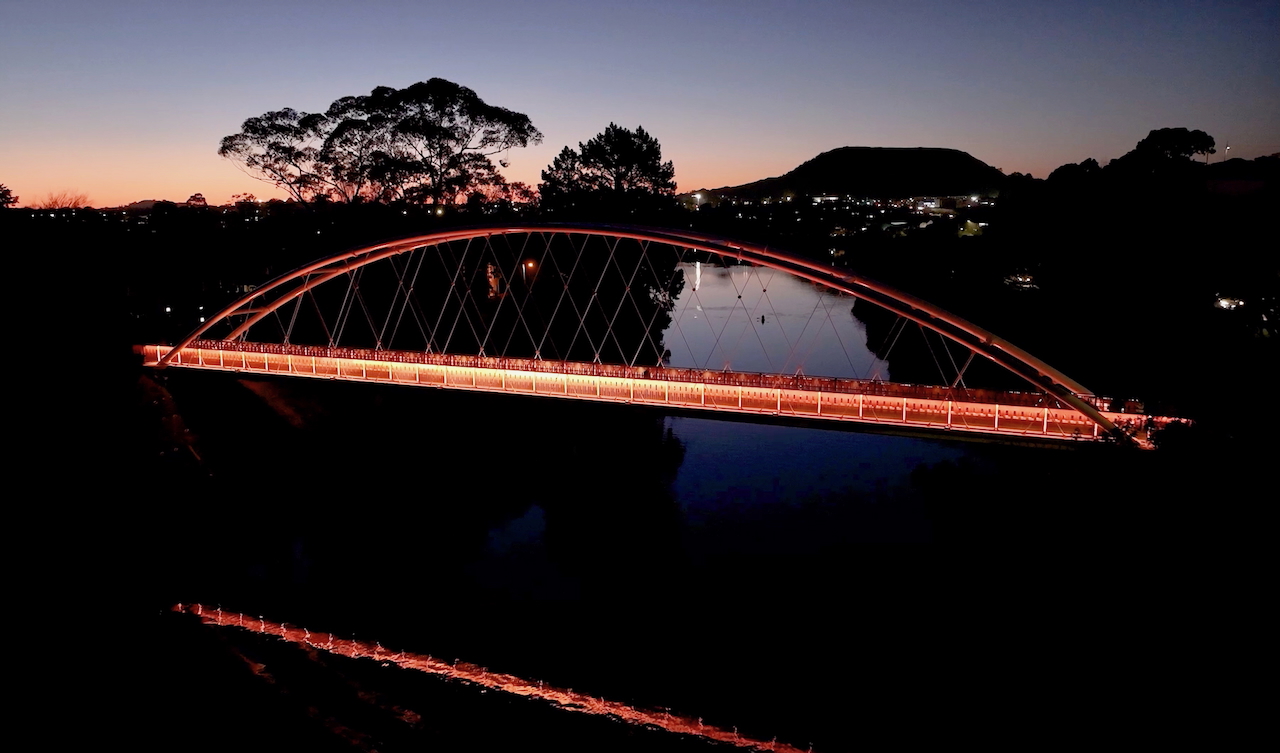
(Photo credit: Jay Farnworth)
The pool was once occupied by Moko-ika-hiku-waru, the lizard-fish with eight tails who is the kaitiaki taniwha of the people of Ngāti Pāoa.”
Auckland Council Head of Arts and Culture Emily Trent says this project is woven with the manaakitanga of Ngāti Pāoa.
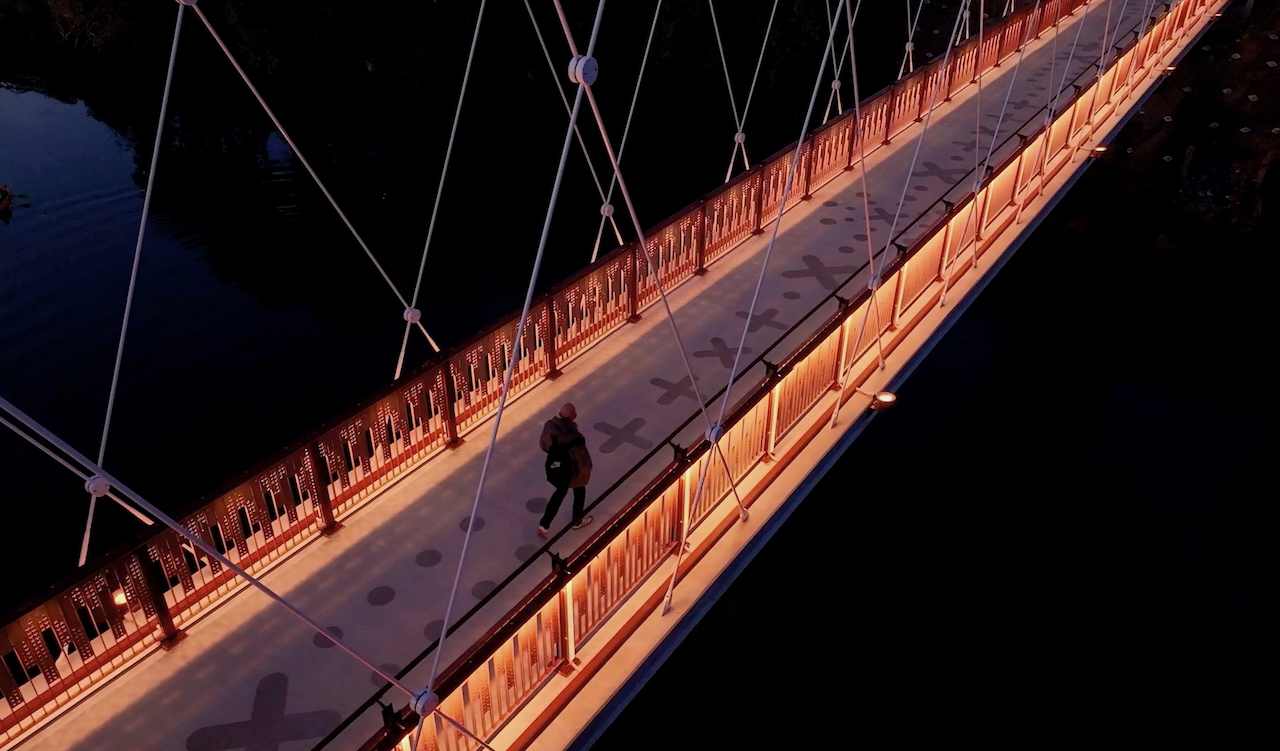
(Photo credit: Jay Farnworth)
“Their kindness, care and willingness to share their history of this place has enriched the outcome of the artwork and the bridge. It has enabled all of us to connect to this whenua,” she says.
The two artists commissioned for the project, Janine Williams and Shannon Novak, were joined by lighting designer Morgann Le Bars of Norwich Group and David Hayes of iion, who built the data-driven technical brilliance of the lighting.
The lighting is programmed to spotlight the arches and balustrades of the bridge. And with a weather station installed on-site, data from the prevailing wind is collected in real time and converted into a pattern of light pulsing with life across the bridge.
The ‘breathing’ of the wind shown in the lighting is a metaphor for the breath of the local tupuna (ancestors), kaitiaki taniwha and Aucklanders and visitors who enjoy the area.
Māori and Croatian iconography
Janine Williams (Ngāti Pāoa, Ngāti Whātua ki Kaipara, Ngāti Mahuta) and Shannon Novak (Ngāti Pākehā, he Tararā ia (Croatian) have delivered a bi-cultural form of symbolism on the bridge deck and balustrades.
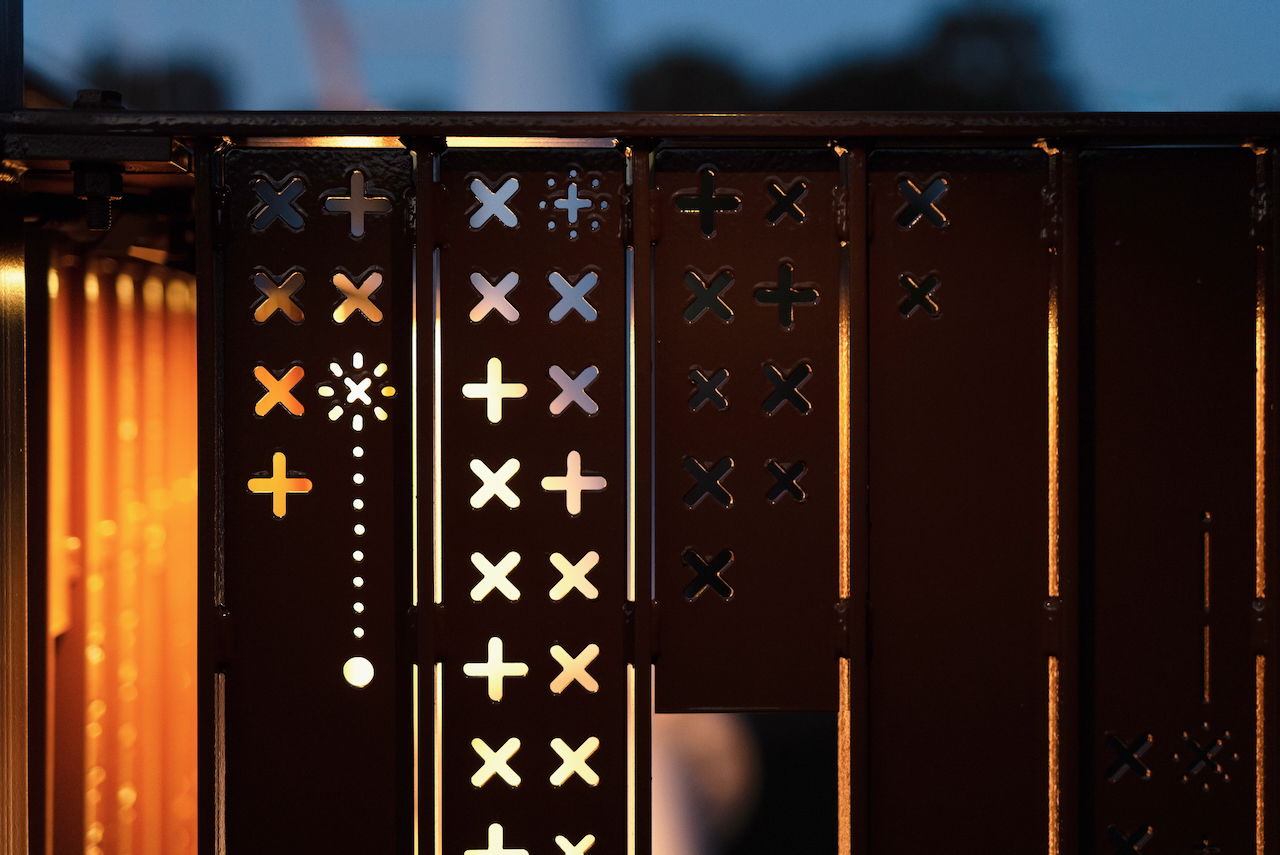
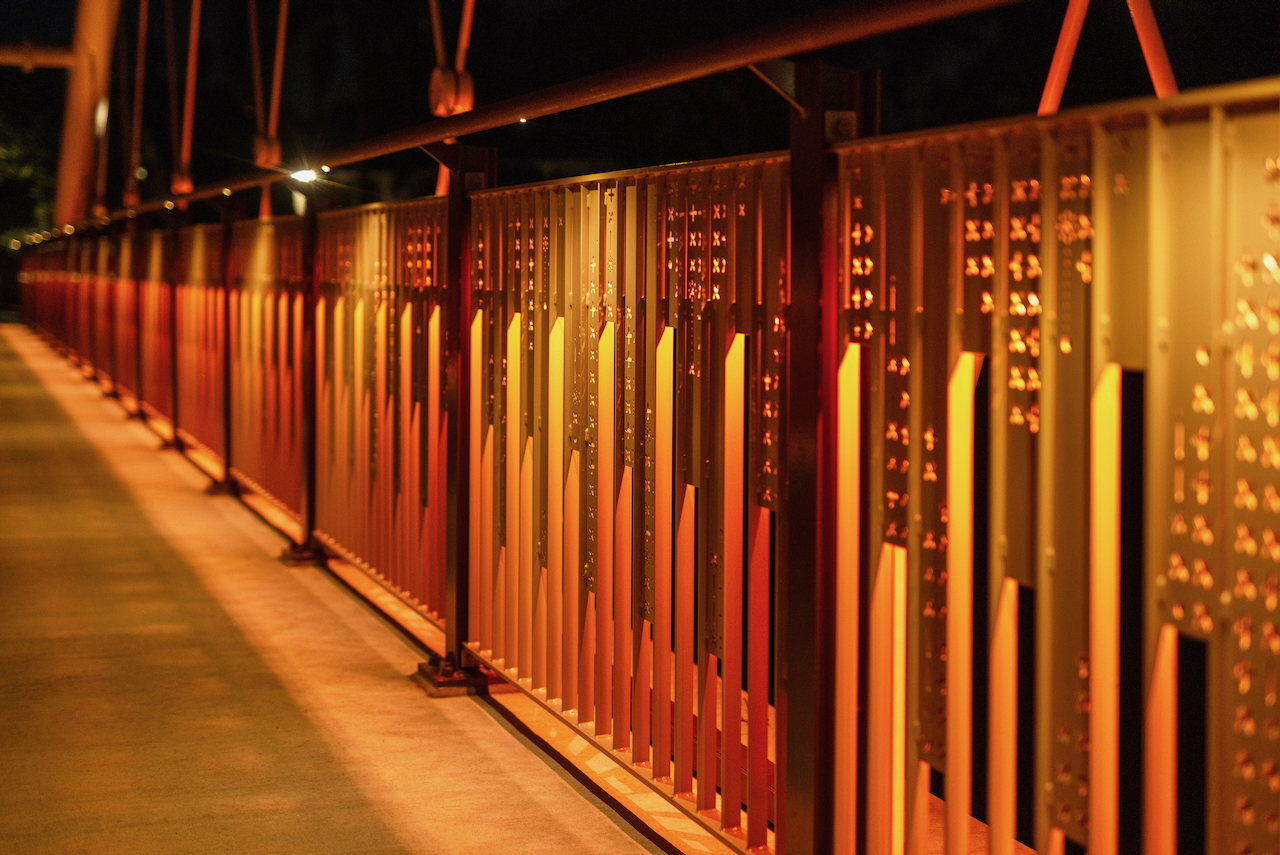
Combining forms and shapes of Māori and Croatian descent, the pair has infused iconography of protection and belonging.
In Croatian history, markings on the fingers and hands of children were sometimes applied during war times to protect them from invading forces, helping them return home.
(Photo credit: Jay Farnworth)
Both cultures have histories where iconography – tā moko in Aotearoa – signifies belonging.
“Based on my ongoing research into sicanje, including ancient and recent texts, and talking to elders in Croatia who have sicanje, I wanted to look at how sicanje translates into our world today regarding protection from harm – so a new contemporary Croatian art form that builds on our past,” Novak tells us.

(Photo credit: Jay Farnworth)
(Photo credit: Jay Farnworth)
Shannon explains that a unique relationship was struck between Māori and Croatian immigrants who came from Dalmatia during the nineteenth century when working together in the kauri gum fields of the Far North. It was a relationship marked by mutual respect and resulted in the nickname Tararā, in reference to the fast-speaking Croatians.
(Photo credit: Jay Farnworth)
Being in the Croatian diaspora himself, Novak, who also has Croatian citizenship, often draws on and expands traditional Croatian art forms such as lacemaking, embroidery, and tattooing.
(Photo credit: Jay Farnworth)
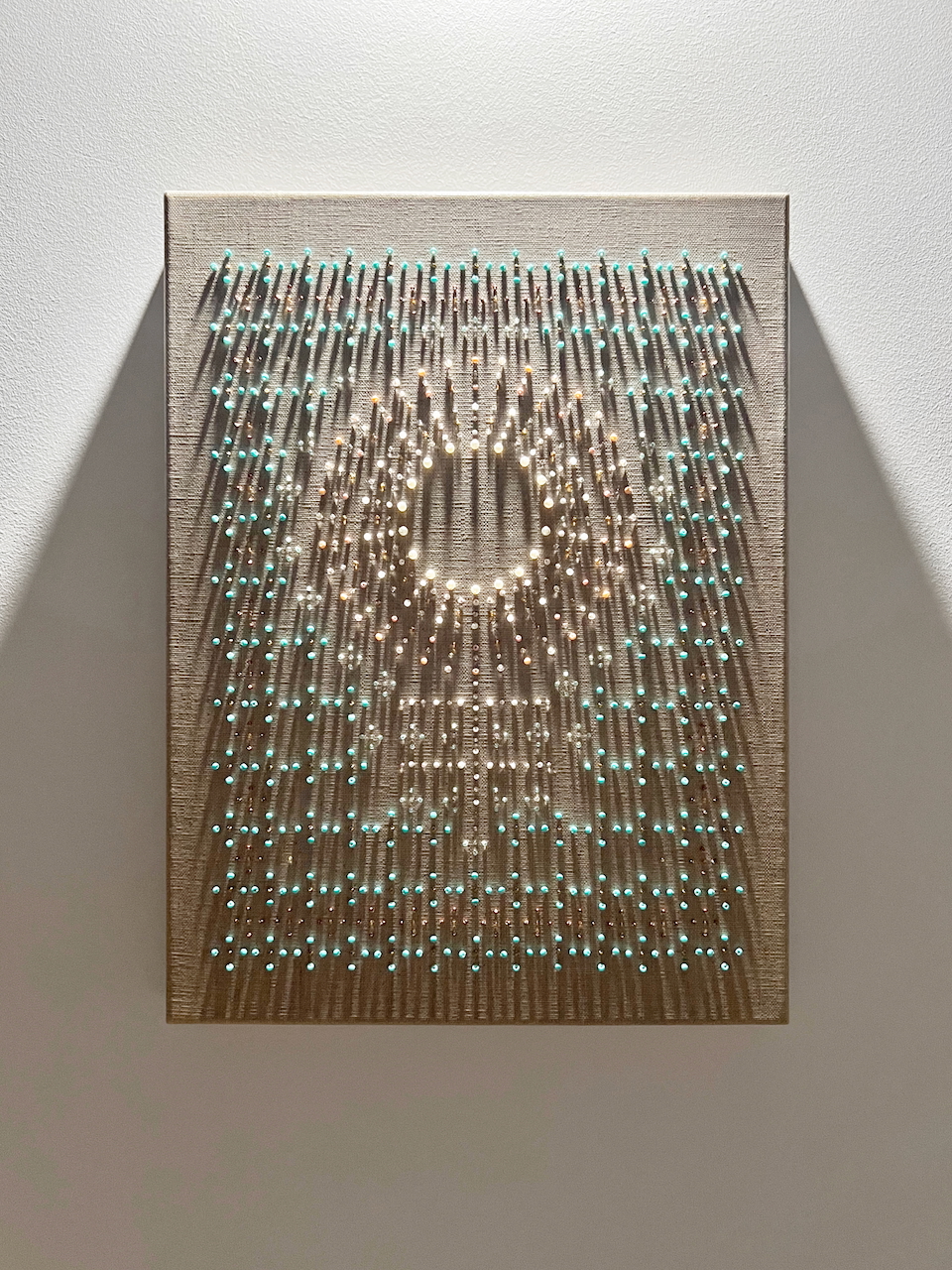
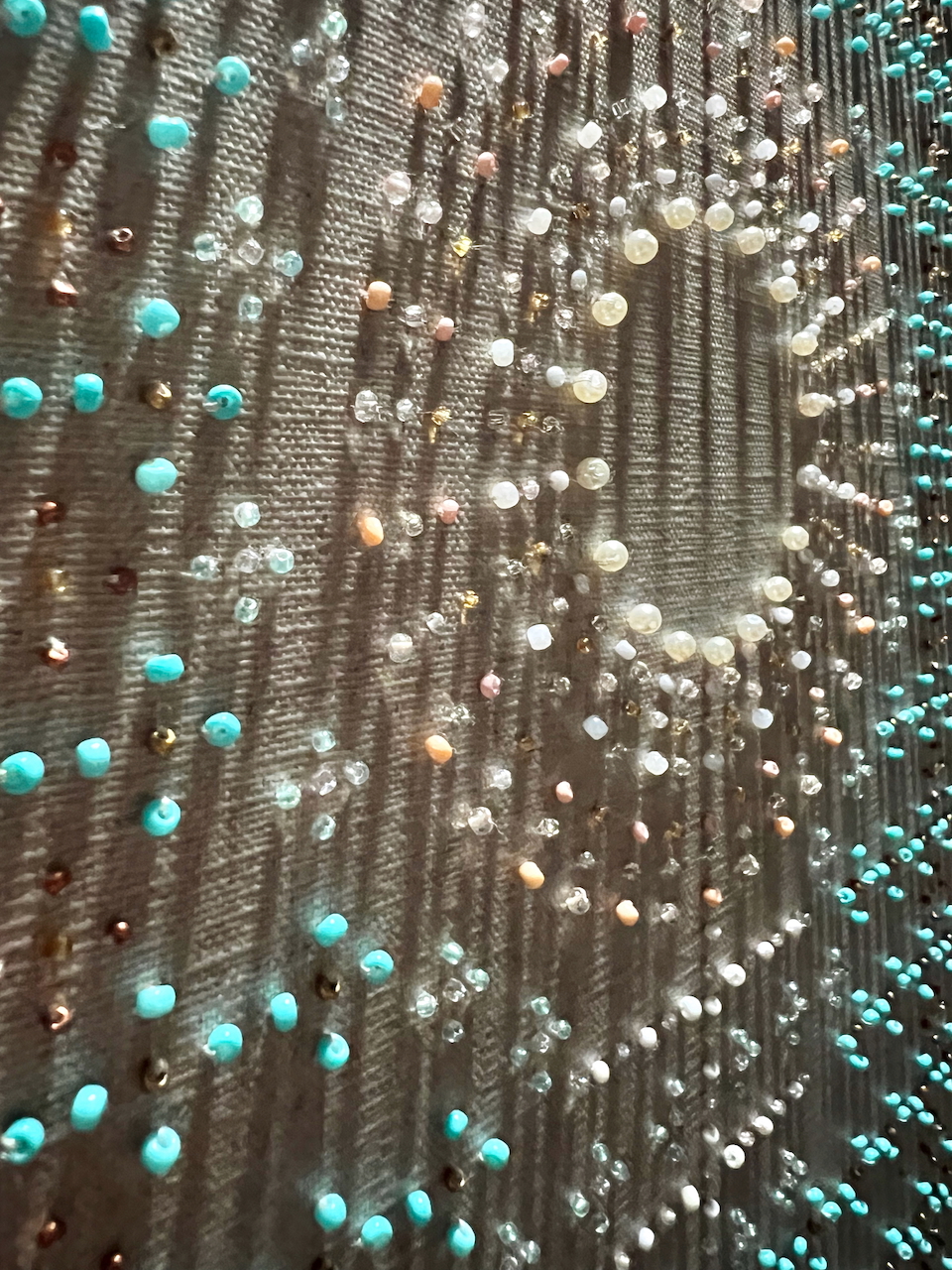
“In parallel, I’ve been exploring this through hand stitching beads made of various materials (semi-precious stones, silver, resin) on canvas – circles of protection, where the tattooing needle from the past, becomes the threading needle of today,” he concluded.
(Private album)
(Private album)