Mačkamama: The inspiring story behind Osijek’s beloved cat lady
- by croatiaweek
- in Entertainment
(Photo: Objavljeno/CC BY-SA 3.0)
Today is World Cat Day and we’re sharing an interesting story from Croatia. In the eastern Croatian city of Osijek, few figures are remembered quite like Paulina Hermann, affectionately known as Mačkamama, the Cat Mother.
Born Paulina Carolina Theresia Lobe on 1 June 1859 in Nova Gradiška, she came from a well-known noble landowning family. Her father, Ivan, and mother, Marija (née Blau), raised four children, with Paulina being the eldest.
Paulina moved to Osijek following her marriage to Dragutin Hermann, a prominent citizen and successful businessman. Dragutin was co-owner of Türner i sin, the city’s oldest goods store, and was active in civic and church matters, including involvement in the construction of the Church of Saints Peter and Paul.
This connected the Hermann family to leading figures of the time, including Bishop Josip Juraj Strossmayer.
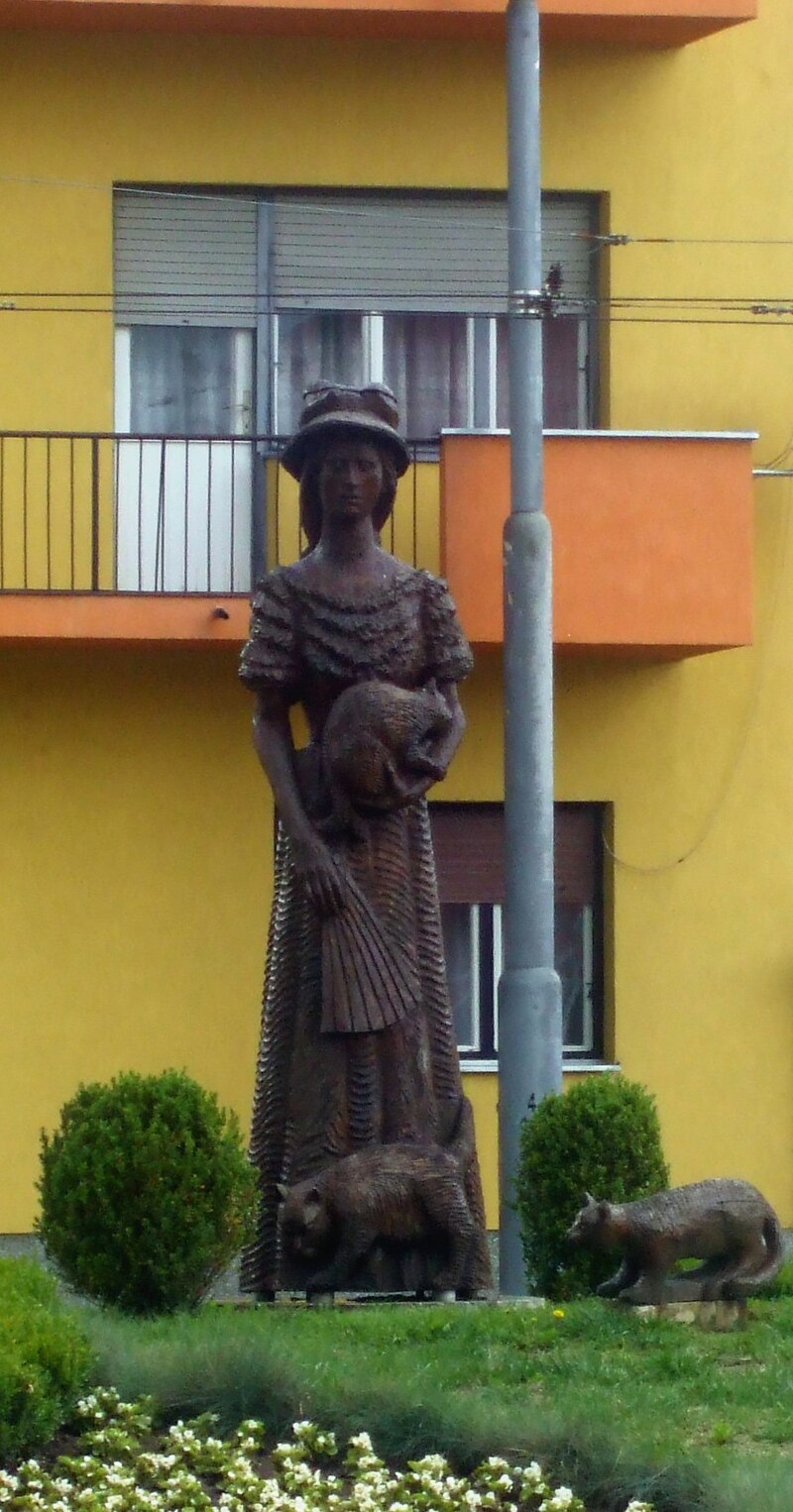
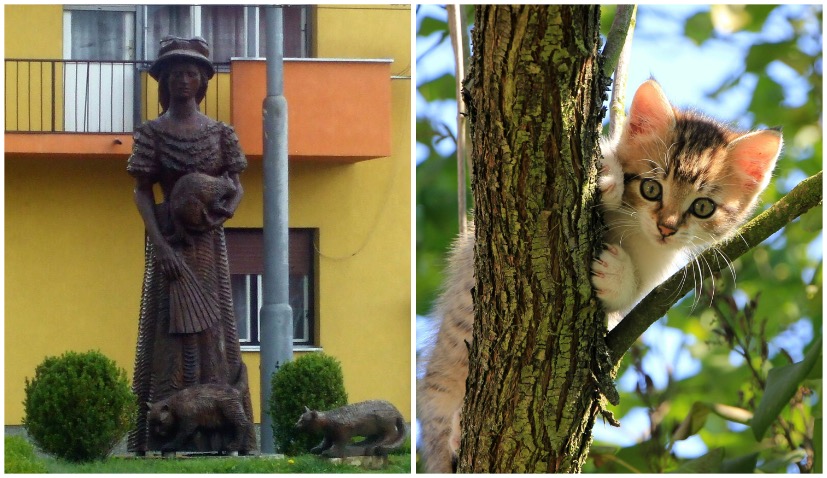
Mačkamama (Photo: Objavljeno/CC BY-SA 3.0)
Paulina’s name first appears in local records in 1885, noted as a co-owner of the Hermann family’s property. The couple resided in a large home in Osijek’s industrial district, today known as Villa Hermann, or more colloquially, the Mačkamama Manor.
Beyond her role as a prominent member of society, Paulina was best known for her kindness, philanthropy, and particularly, her deep love for animals, especially cats. Her affection for them earned her the nickname Mačkamama, a name that lives on to this day in local memory and even in the architecture of Osijek.
After Dragutin’s death, Paulina remarried in the early 1930s, this time to Austrian Baron Wessely. Despite her elevated social standing, she remained a socially engaged and generous figure, known to help those in need and often seen in the company of Osijek’s respected citizens. She also had a passion for travel, which was uncommon for women of her time.
Paulina died on 9 February 1938 and was laid to rest in St. Ana Cemetery in Osijek. Unfortunately, her grave no longer exists, her headstone was reportedly removed and the burial plot resold over time.
Yet her presence is still felt. A wooden statue not far from Villa Hermann today stands as a reminder of her legacy, carved in her likeness and surrounded by cats. It marks not just the physical space she once inhabited, but also the values she represented: compassion and care for the voiceless.
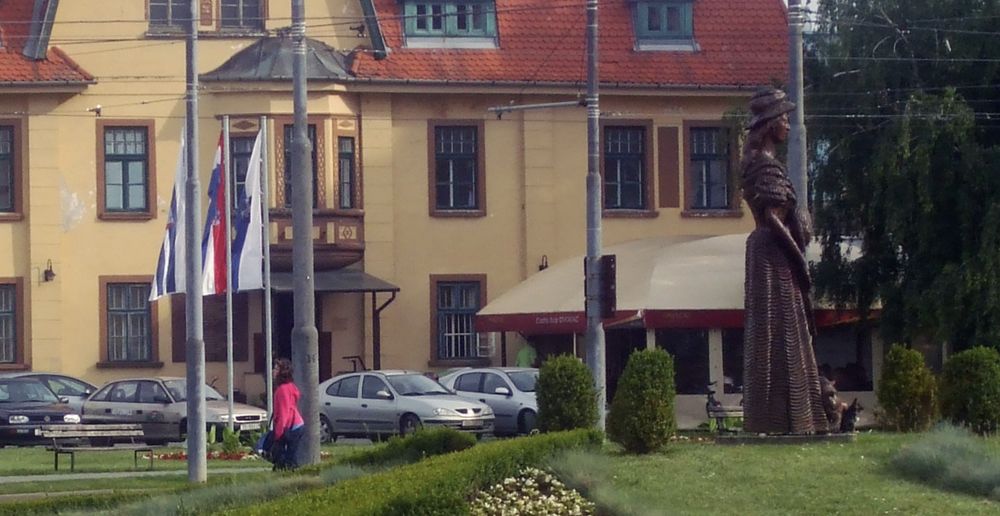
Mačkamama (Photo: Objavljeno/CC BY-SA 3.0)
As Osijek continues to grow and change, stories like Paulina Hermann’s offer a meaningful glimpse into the city’s past – one shaped not only by politics or progress, but by the quiet humanity of individuals who lived with kindness at their core.