Croatia has changed
- by croatiaweek
- in Entertainment
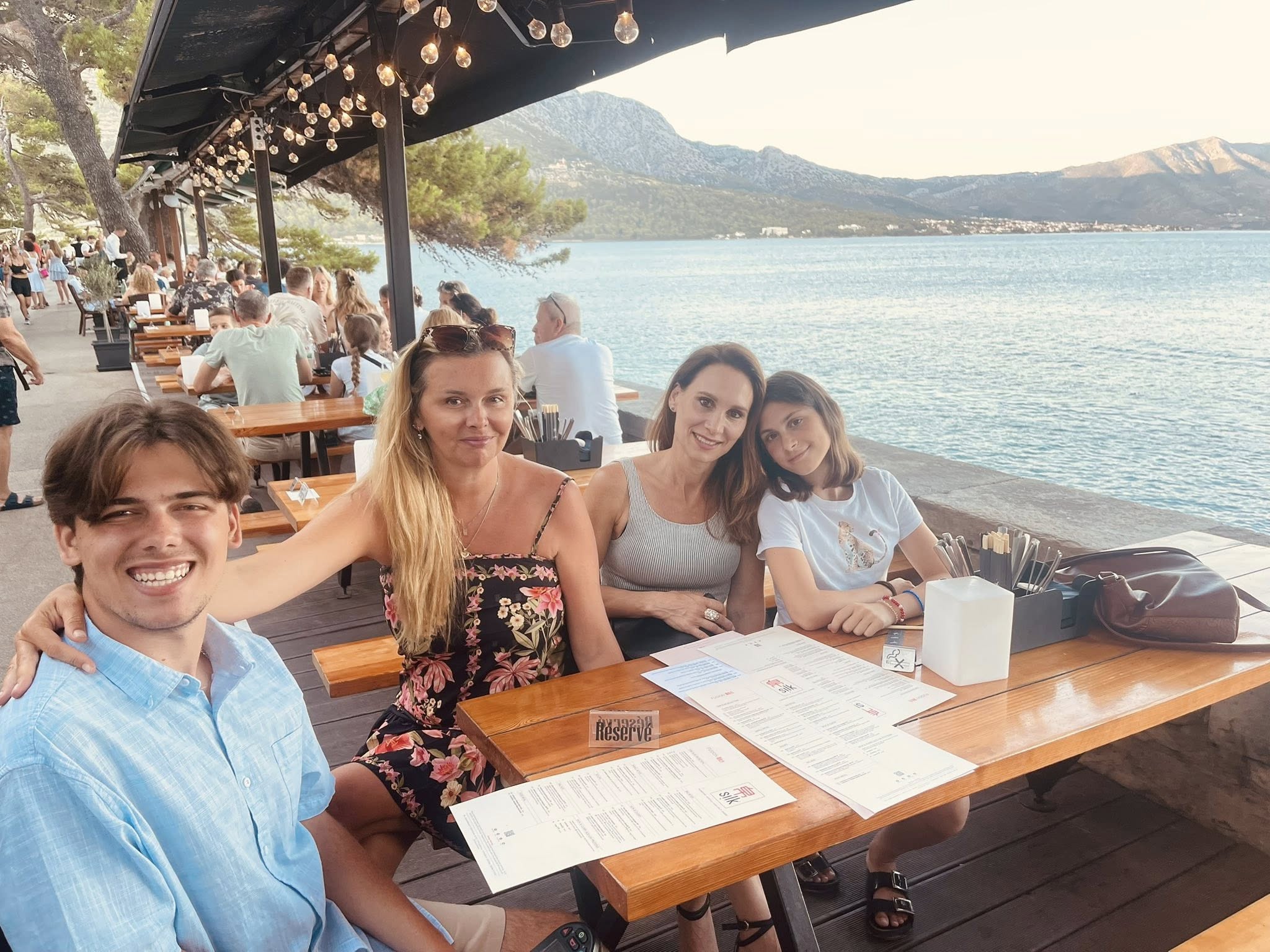
(Photo: Private album)
By Frances Vidakovic
Let’s talk about the elephant in the room – especially if, like me, you’ve been visiting Croatia for decades.
Croatia has changed.
Of course, we too have changed, growing older with every visit. But the difference is – many of us secretly hoped Croatia wouldn’t.
We return expecting it to feel just as familiar as the babas sitting on the klupe, gossiping about the latest village happenings. But instead, we find that it too has moved with the times, just like we have.
Decades ago, visiting Croatia felt like stepping into a dream. With the money we brought from abroad, we could live like kings and queens. Everything felt abundant. Food, drinks, and accommodation were affordable, and the beauty of the country? That was always priceless.
Each night, the kafići were alive – filled with locals, Croatian music blasting from the speakers, laughter spilling into the streets. You’d stay out with friends until dawn, then pick up a loaf of fresh bread from the bakery on your way home.
But people say that the nightlife has changed – that the youth no longer go out as much anymore.
“What happened to cause that change?” I asked a friend recently while in Croatia. How did it go from that – youth out every night, cafés buzzing, and a nightlife that once pulsed with electricity to a change that is hard to describe but nonetheless palpable.
Not that there’s anything inherently wrong with this newer version of Croatia. The views are still as breathtaking as ever – the mountains, the sea, the historic buildings, and the deep, rich history woven into every stone. I may be biased, but I truly believe Croatia is the most beautiful country in the world.
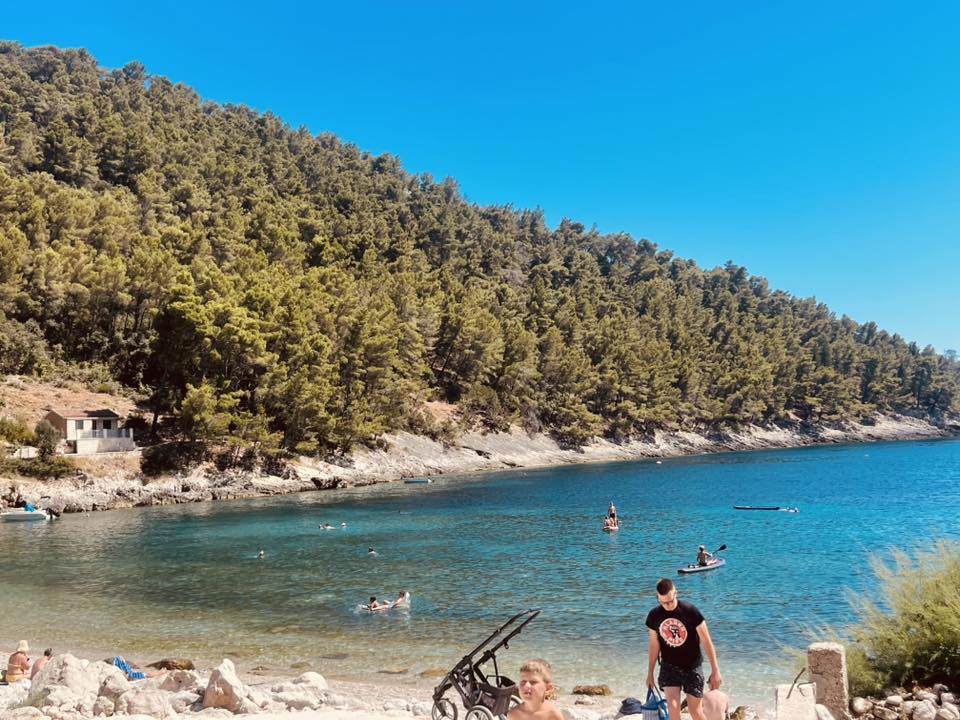
Pupnatska Luka (Photo: Private album)
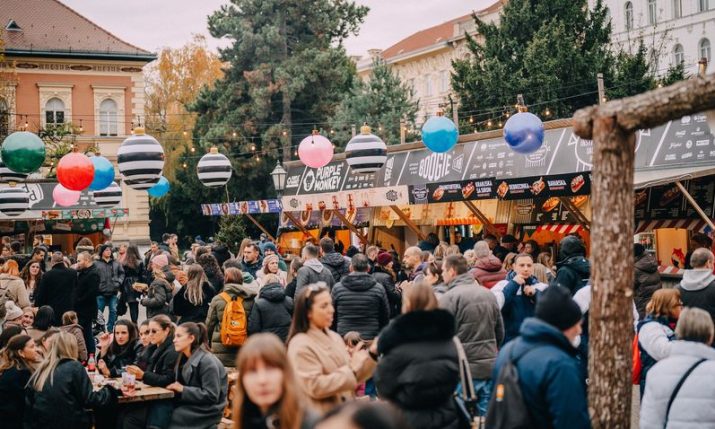
And yet… there’s a quiet murmur among tourists about how expensive it’s become. The kafići aren’t as full at night – these days, they’re mostly filled with tourists rather than locals.
And the music? More often than not, it’s the same international tracks I hear back home in Australia, when what I really long for are the Croatian songs – the ones that stir something deep inside of me.
When I ask about these changes, the response I often get is: “That was then, and this is now.”
Sure, joining the EU and switching from the kuna to the euro certainly sped up some shifts – especially when it comes to the rising cost of living. But the truth is, the changes had already begun long before that transition.
And to be fair, it isn’t just Croatia that has changed – the entire world has. These are different times – everywhere.
And yet, when we return to Croatia, we find ourselves longing for the old, the warm, the familiar. Even if it’s more expensive now, even if the crowds are thicker with tourists, even if the nightlife no longer mirrors our memories – we still crave a sense of sameness amidst all the change.
Of course we can still find the sameness if we go looking for it. I find it quickly in Pupnat, the tiny selo where my parents were born and where the villagers still gather under the koštile every single night. I find it in the stone huts that scatter across the mountainside.
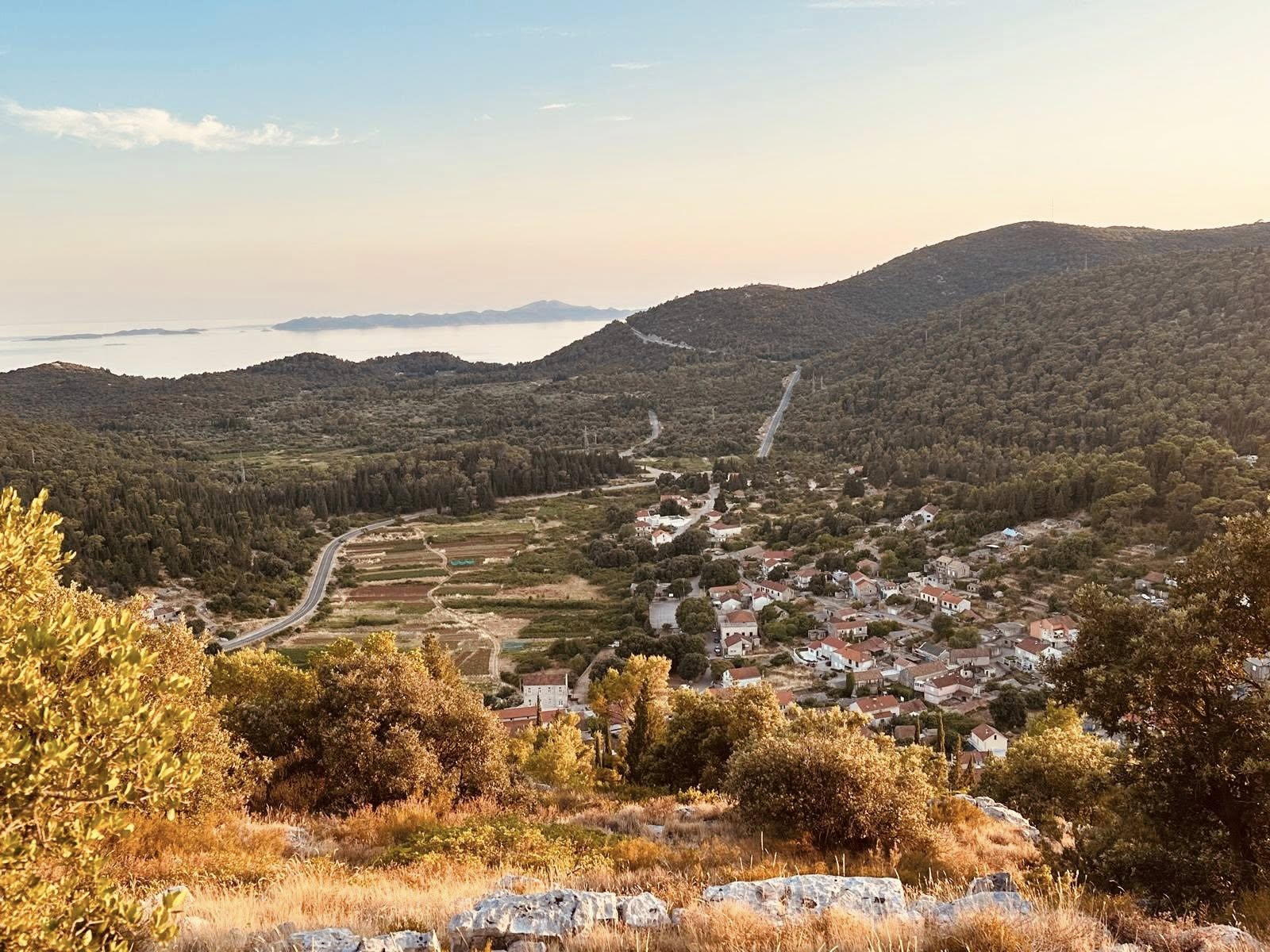
Pupnat (Photo: Private album)
In the cicadas that hum their song in the heat of the afternoon. In the smell of fig trees, and salty sea air. In the paths my ancestors walked hundreds or thousands of times before me. In the way that Croatians can’t help but fall into a tune and sing together during every local festa.
Some of the most familiar rituals haven’t changed in generations – the early morning coffee, the slow village strolls, the way everyone feels like family, whether their ties have been strengthened by blood or not.
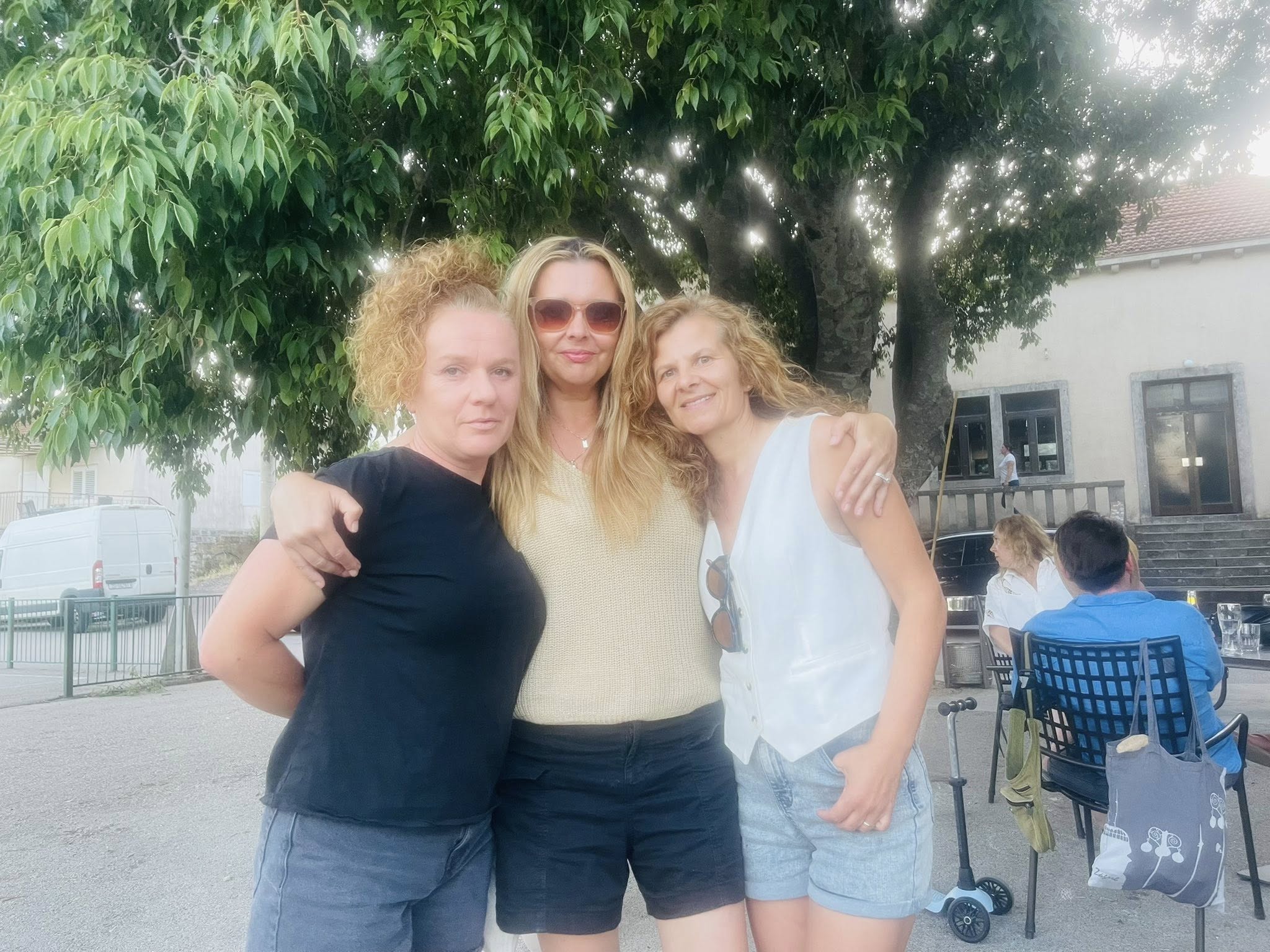
I see it in the way people greet each other with genuine warmth. It seems as if here strangers become friends more easily. A summer together and you’re instantly bonded for life.
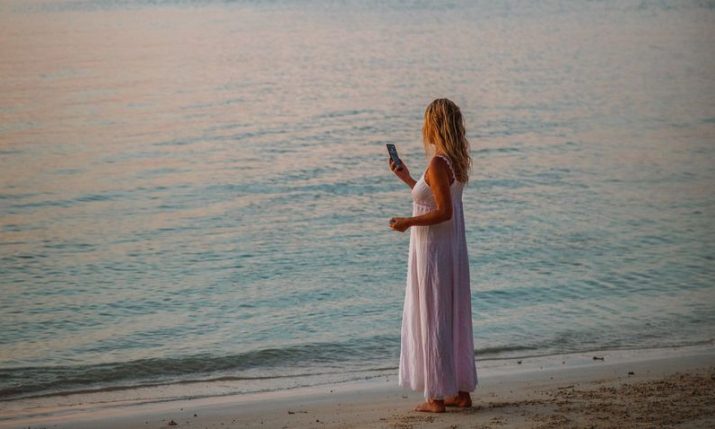
Things have indeed changed but the way it feels when you’re sitting by the sea at sunset, watching the sky turn to gold. That still feels priceless. Croatia hasn’t changed in the way that it values connection – real connection – over speed, productivity, or hustle.
The spirit of “pomalo” still exists. Here in Korcula, Croatians are experts in the art of “fjaka.” Taking it slow. Breathing it in. Refusing to rush through life because they intuitively understand that some things will just happen in its own time.
Croatia hasn’t changed in the way your heart feels when you step off the plane and realize you’re back here in your home away from home. It hasn’t changed in the echoes of your ancestors that live in the land, the stones, the traditions.

(Photo: Private album)
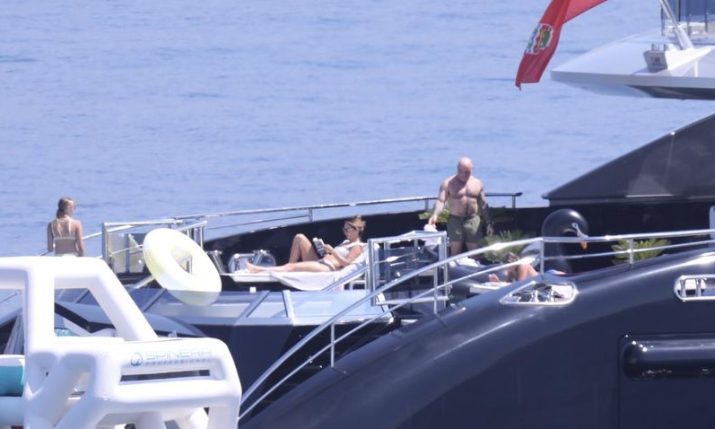
Sure, there are more luxury hotels and AirBnBs now. The menus are written in English. And yes, prices have gone up. But the essence? The heartbeat? That is still the same and I’m guessing it will remain the same for many years to come.
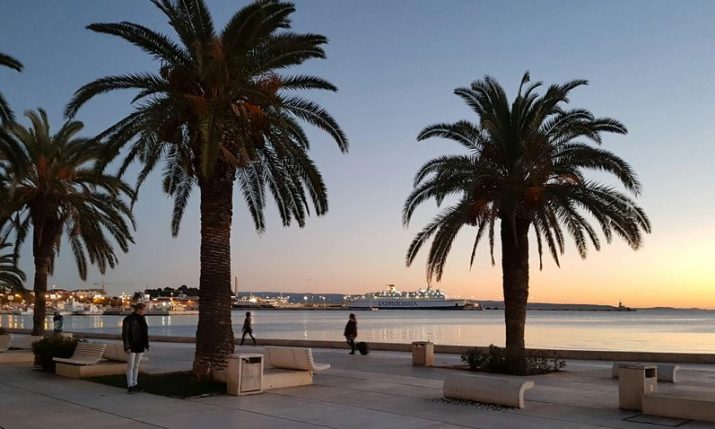
Croatia still teaches you to live with less, and somehow feel more. To slow down and be. To spend your evenings outside, not scrolling, not rushing – but sitting, talking, listening.
If someone were to ask me whether Croatia has changed, I would say yes – in many ways, it has. It has evolved, progressed, modernized… just like the rest of the world. And truthfully, we’ve changed too. Each time we return, we do so with new eyes, older hearts, and the ache of nostalgia tugging us gently between the past and the present.
(Photo: Private album)
But in the ways that matter most, Croatia hasn’t changed at all.
The essence is still the Croatia we remember. Because one thing that will never change – no matter how much time passes or even if the surface or currency changes…this place will always be the home of our ancestors.
Croatia will always feel like a return – not just to a place, but to a part of ourselves we never want to lose.