Zagreb unveils plans for safer nights in the city
- by croatiaweek
- in News

Zagreb
Marking Croatia’s Month of Addiction Awareness, observed annually from 15 November to 15 December, the City of Zagreb has presented a series of initiatives aimed at safeguarding the health and wellbeing of children, young people and families, while promoting healthier lifestyle choices.
Responding to emerging trends, particularly the rise of behavioural addictions, the city emphasised the growing need to support families and strengthen parents’ role in prevention.
At the centre of this year’s programme is the new pilot project “Safer Night-Time Environments in the City of Zagreb”, a wide-ranging framework designed to improve safety, health and overall wellbeing for those attending night-time events.
Dr Mirela Šentija Knežević, Assistant Head of Zagreb’s Office for Social Protection, Health, Veterans and Persons with Disabilities, highlighted the project’s two core goals: preventing intoxication from alcohol and psychoactive substances among night-time revellers, and reducing the risk of sexual violence in public spaces.
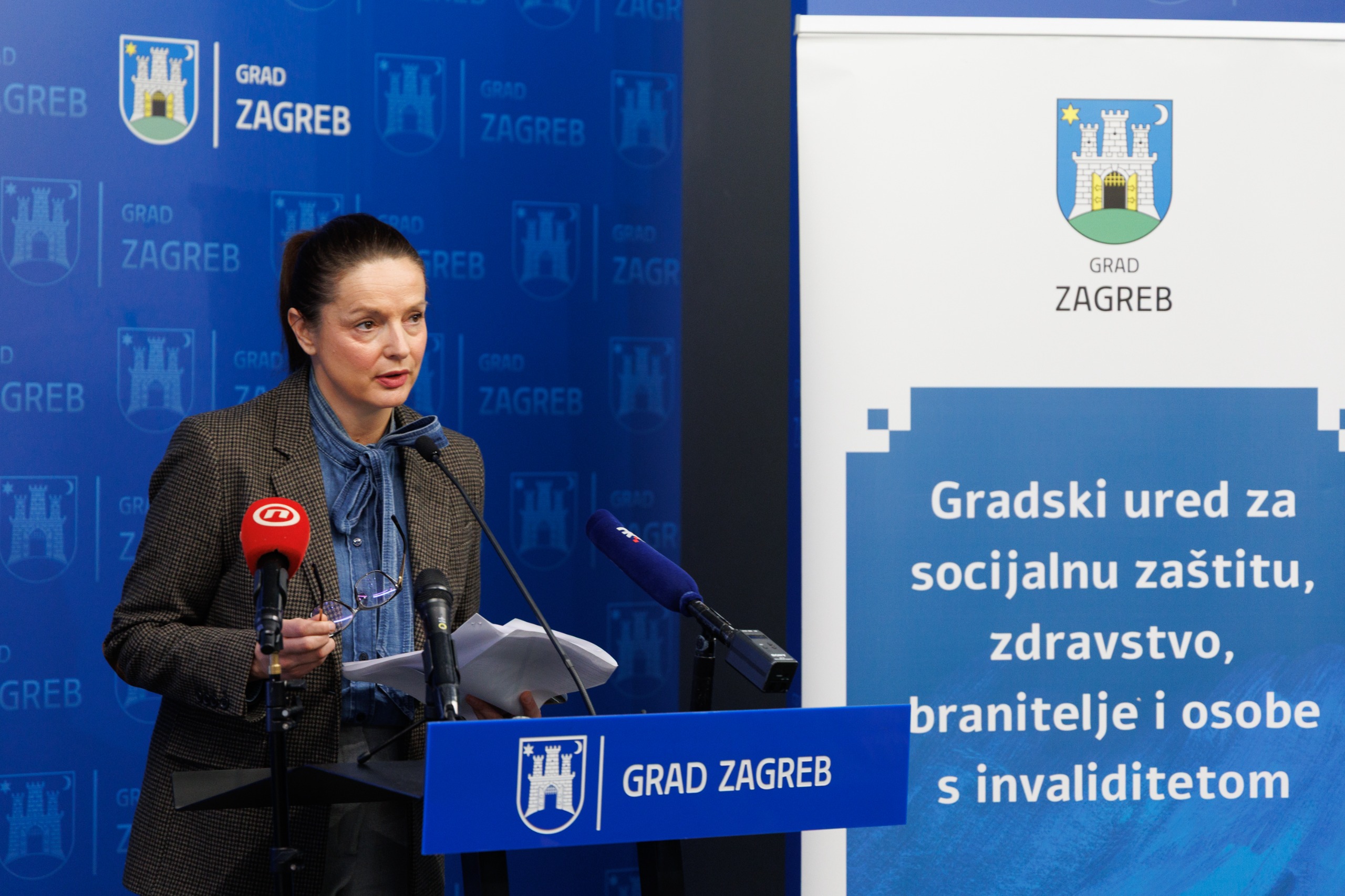
Dr Mirela Šentija Knežević (Photo: Grad Zagreb)
A safer night-time experience
Several measures will be introduced under the pilot scheme.
Nightclub staff participating in the project will undergo training on identifying and responding to cases of intoxication.
Dedicated “safe-chill zones” will be set up to provide support to young people, and artistic visual messages encouraging responsible behaviour will appear in nightlife areas.
To curb sexual violence, the project includes awareness campaigns on risk factors, improved public lighting to increase safety, and a coordinated media campaign.
Cooperation between the police, inspection services and hospitality sector will be strengthened through a dedicated working group established by the City of Zagreb.
Experts highlight shifting trends in addiction
Public health and addiction-prevention specialists also took part in the presentation.
Željko Petković, Assistant Director for Addictions at the Croatian Institute for Public Health, outlined the national strategic framework and the latest trends in addiction.
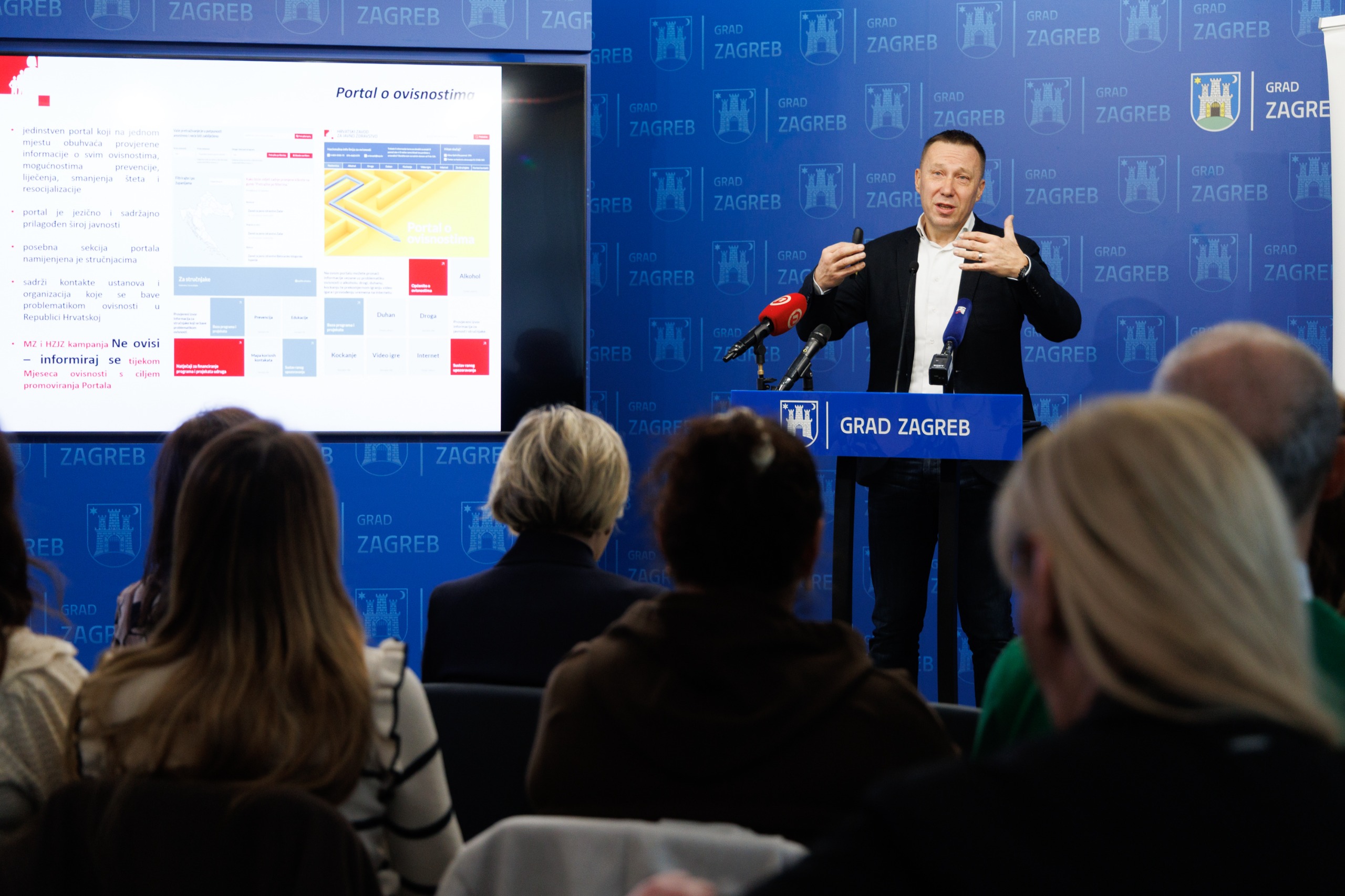
Željko Petković (Photo: Grad Zagreb)
Assoc. Prof. Martina Rojnić Kuzman, President of Zagreb’s Commission for the Prevention of Drug Abuse and Other Addictions, presented the Commission’s work and detailed the city’s broad activities in addiction prevention and mental-health protection.
She noted that Zagreb was among the first to recommend a complete ban on the use of mobile phones during pupils’ time in school.
This decision followed extensive research showing that excessive mobile phone use can lead to mental-health problems, reduced concentration, sleep disruption, interpersonal difficulties and increased exposure to cyberbullying.
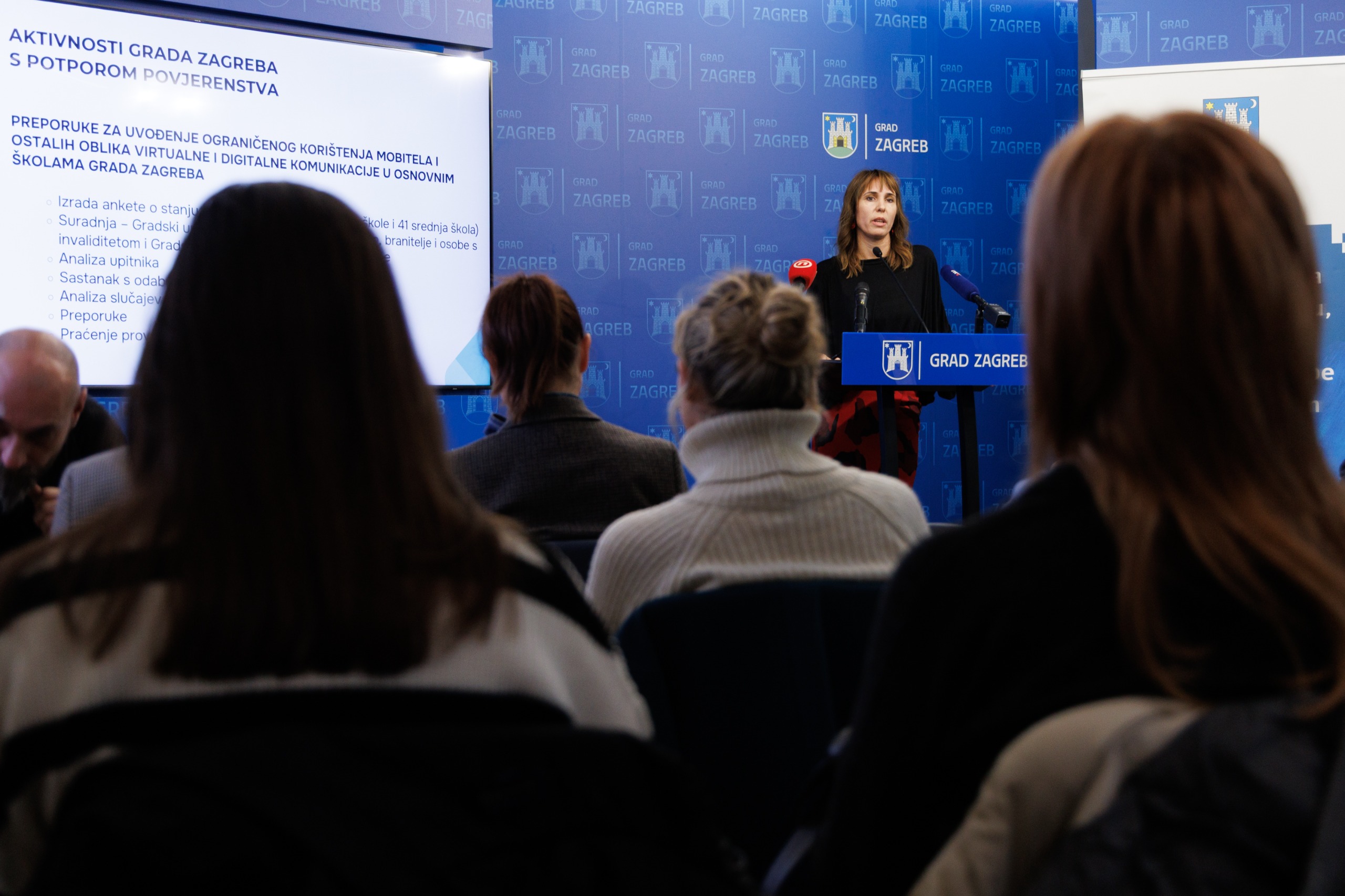
Assoc. Prof. Martina Rojnić Kuzman (Photo: Grad Zagreb)
Dr Ivana Kekin, MP and Chair of the Croatian Parliament’s Committee on Health and Social Policy, stressed that removing mobile phones from schools is only the first step, as children continue to spend much of their free time in digital spaces.
She called for continued regulatory action and comprehensive protection for children both inside and outside school.
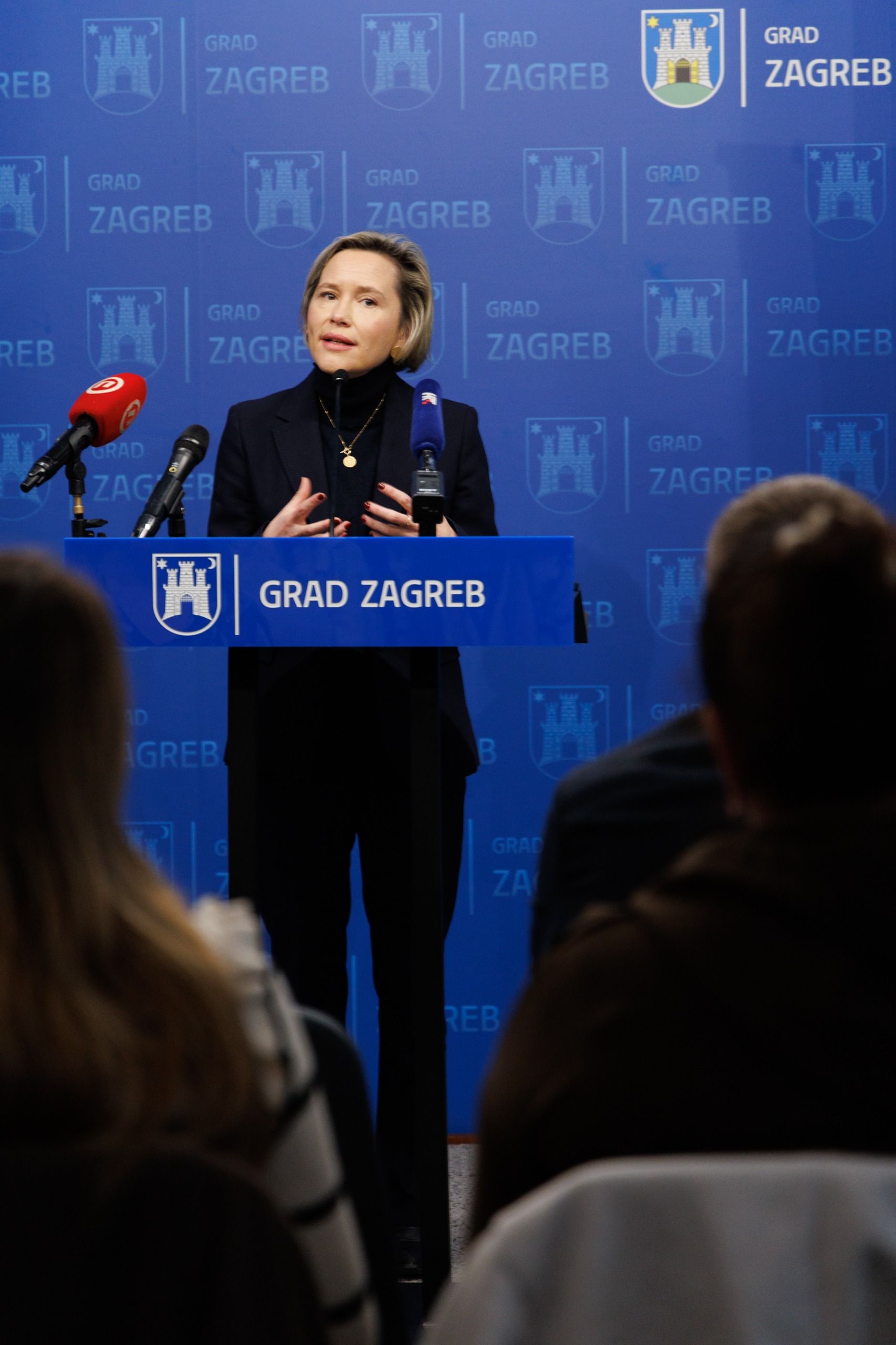
Ivana Kekin (Photo: Grad Zagreb)
Kekin also highlighted concerns about gambling addiction and the need for stronger preventive measures under the Law on Games of Chance.
Lidija Vugrinec, Head of the National Information Unit for Addictions and International Cooperation at the Croatian Institute for Public Health, presented the draft HZJZ guidelines that will support the implementation of the pilot project.
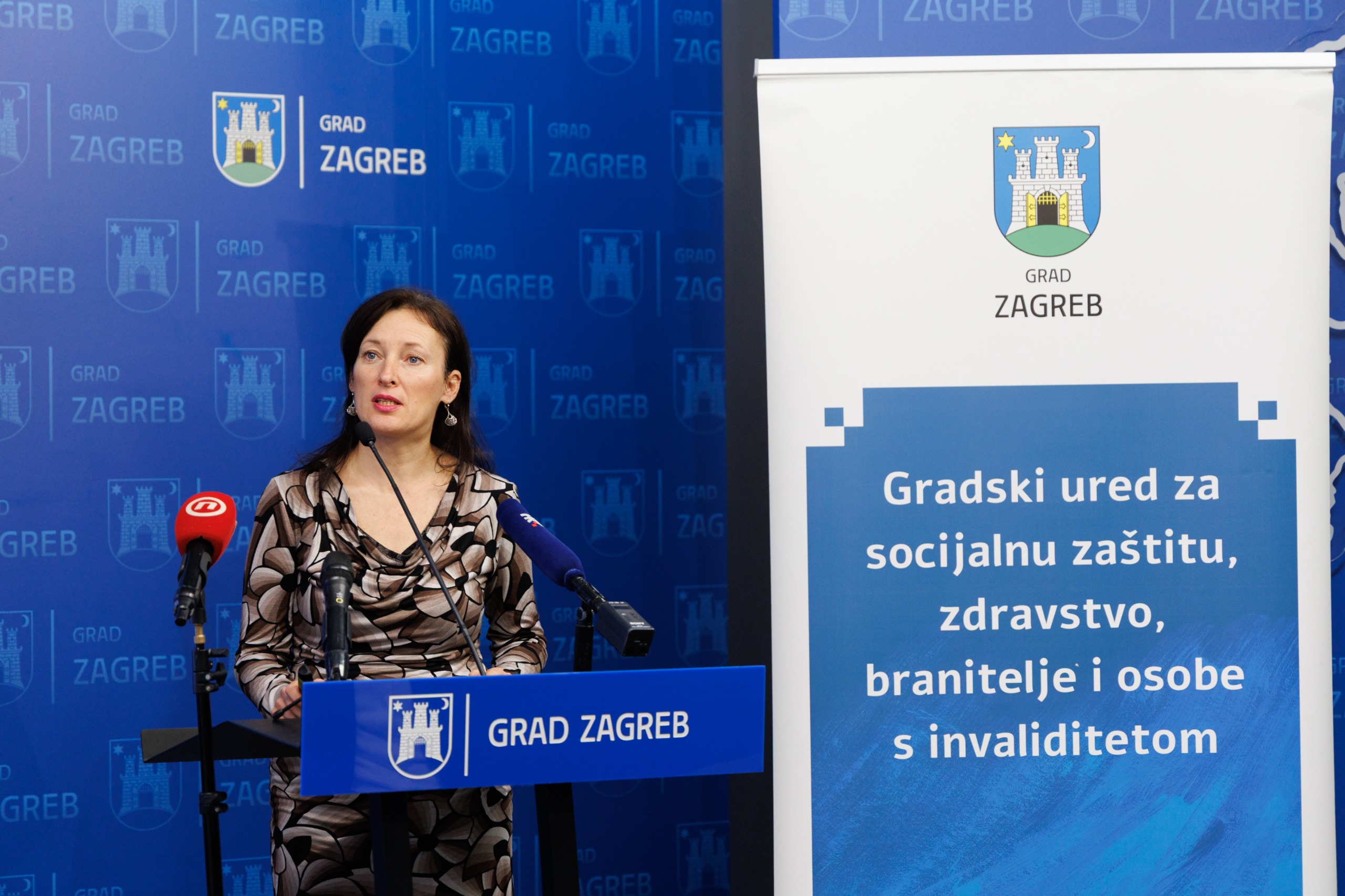
Lidija Vugrinec (Photo: Grad Zagreb)
A long-term commitment to community wellbeing
With these initiatives, the City of Zagreb continues to invest in policies that strengthen safety, promote public health and enhance quality of life. The city affirmed its commitment to building an environment where the wellbeing of the community remains a lasting priority.