Why your coffee costs more in Croatia than across the border
- by croatiaweek
- in News
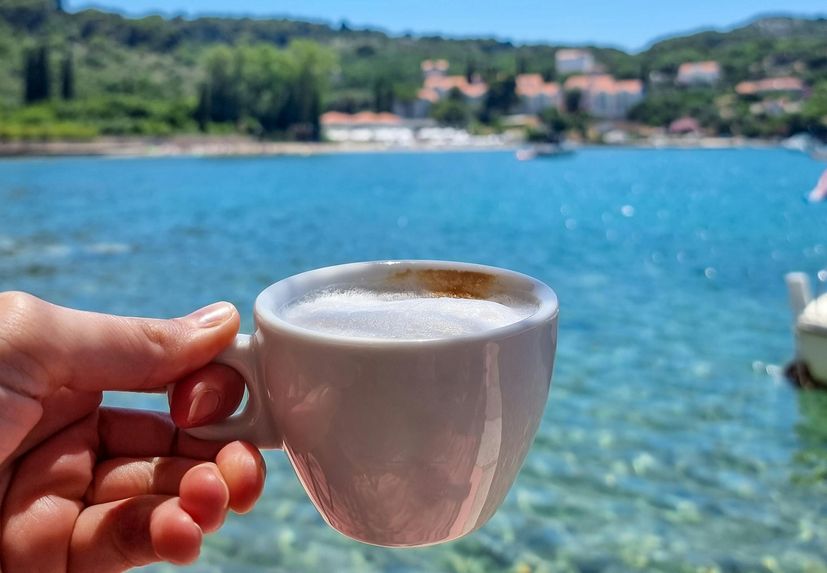
For Croatians, coffee is more than just a drink – it is a cultural ritual. Yet in recent months, the price of that daily cup has become a hot topic, with both locals and tourists sharing stories of paying seven, even ten euros for a single iced coffee along the Adriatic coast this summer.
As Poslovni Dnevnik reports, the reasons are complex, and many lie far beyond Croatia’s borders.
On global markets, coffee prices have reached levels not seen in decades. The price of arabica beans in January 2025 was already double that of a year earlier, while robusta had risen nearly 130%.
Droughts followed by heavy rains have cut harvests in Brazil, while Vietnam’s production has also been under pressure. Together, those two countries account for 60% of the world’s coffee.
Adding to the turmoil, new tariffs imposed by Donald Trump on Brazilian coffee exports have rattled markets further. Arabica has climbed another 25% since the start of the year, with futures recently topping four US dollars per pound – record highs.
Analysts warn that shortages of arabica could continue until at least 2026.
Croatia, however, faces additional challenges of its own. According to the Croatian Employers’ Association (HUP), total taxes and levies on coffee here exceed 30%.
By comparison, coffee taxes amount to just nine percent in Italy and 9.5% in Slovenia. What makes this more striking is that coffee in Croatia is listed as a regulated product, yet it is taxed as if it were a luxury good.
The state earns around €17 million annually from this special coffee duty – less than one percent of total excise revenues – but the cost is carried by consumers and the hospitality industry.
Last year, Eurostat data showed that coffee prices in Croatia rose by 7.4%, the highest increase in the European Union, while in 12 member states, including Finland, prices actually fell.
As global markets remain volatile, Croatian producers say they are working to secure supply and maintain quality.
But with international pressures, local taxes, and unpredictable harvests all in play, the simple pleasure of coffee is set to remain an expensive ritual in the years ahead.