Trend shift: More Croatians returning home than leaving
- by croatiaweek
- in News
Zagreb
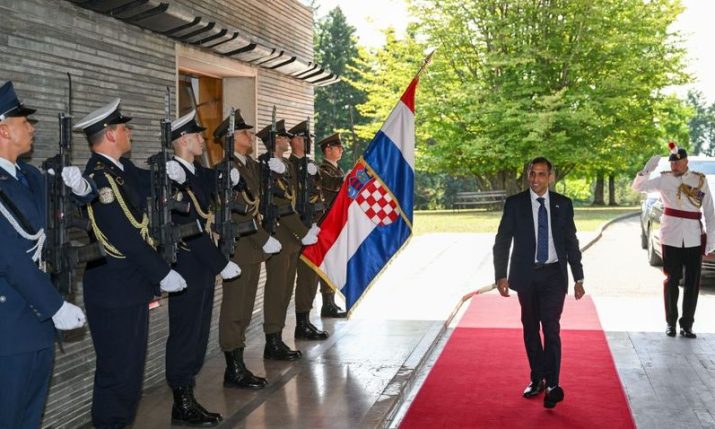
Croatia’s Minister for Demography and Immigration, Ivan Šipić, says the country is finally seeing a turning point in its demographic trends, with more Croatians returning home than leaving.
Speaking on HRT’s main evening news Dnevnik, the minister outlined the government’s latest efforts to encourage return migration and revitalise depopulated regions.
Tackling one of Croatia’s biggest challenges
Minister Šipić described demography as one of the most pressing issues facing Croatia today.
“This ministry and the Government have taken on one of the hottest topics since the Homeland War – demography,” he said. “Closely linked to it is immigration and the story of returnees and emigrants.”
He stressed the importance of cooperation between local, regional and national authorities to reverse negative demographic trends, adding that there are already encouraging signs.
“I believe that, in our first year, we’ve managed to spark a light of hope, as we are now witnessing a trend of returnees and their descendants coming back.”
Bureaucracy remains a major hurdle
Šipić noted that administrative barriers remain one of the biggest obstacles for those wishing to return.
“We must remove procedural and bureaucratic obstacles,” he said, emphasising that smoother processes are key to sustaining the positive shift.
Safety in Croatia – a key reason to return
The minister pointed out that safety and stability in Croatia have become major factors drawing people back.
“Much has changed across the EU – from security concerns and wars to economic challenges. Wages in countries like Germany, Ireland, Sweden, and especially in South America or Australia, are no longer the only attraction they once were. A lot is now turning in our favour – above all, our sense of safety.”
New support for depopulated areas
Šipić announced a new €30 million programme aimed at supporting some of Croatia’s most depopulated areas – Dalmatian Hinterland, Lika and Slavonia.
The initiative, implemented through HAMAG-BICRO, will encourage people to stay, move from large cities, and help revive struggling rural communities.
“We are offering loans of up to €150,000, with up to half – €75,000 – effectively written off. The aim is to create jobs, support relocation, and make life easier for those who wish to stay, move within Croatia, or return,” Šipić explained.
The first public call for applications is expected to be published on the HAMAG-BICRO website soon.
More returns than departures
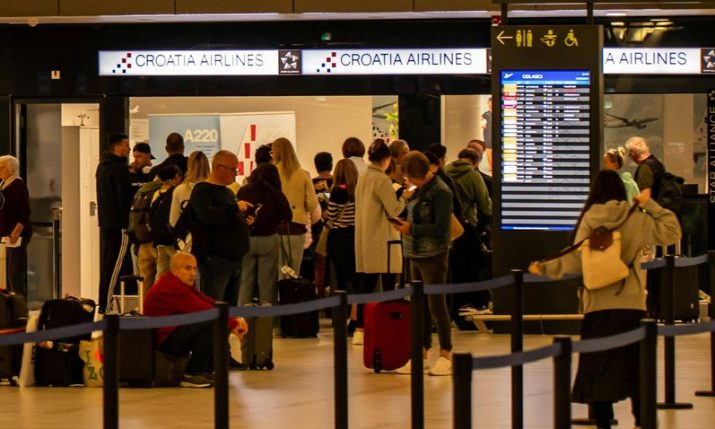
Šipić confirmed that, for the first time in years, more people are returning to Croatia than leaving.
“The gap we once had – with more departures than returns – is closing. We now see a trend where more people are coming back,” he said.
Returnees are arriving from all over the world, including South America, New Zealand, Germany, Australia, and Austria.
Creating a culture that supports family life
The minister concluded by highlighting that reversing demographic decline requires more than just government policy.
“We need synergy between ministries, local authorities, and communities on the ground. It’s not just about pro-natal measures from the Government, but also about creating an environment where families can thrive and enjoy a rich, fulfilling life in Croatia.”