The plan to restore Croatian film classics
- by croatiaweek
- in Entertainment
By Miroslav Edvin Habek
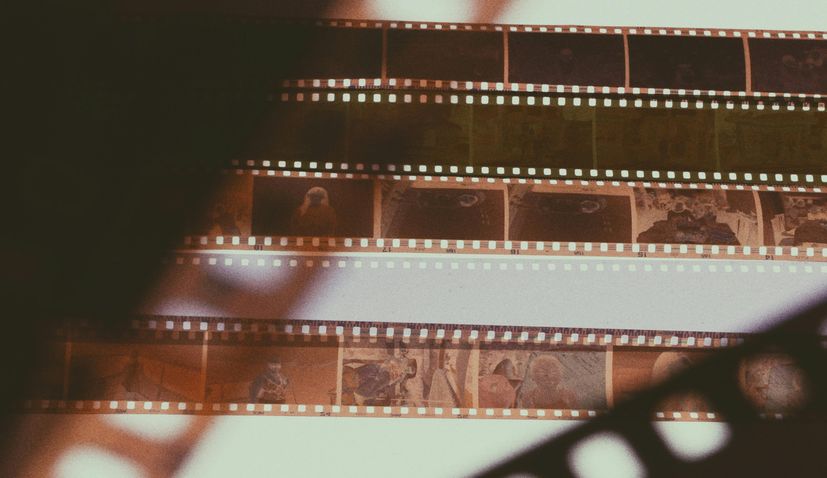
ZAGREB, 27 November 2025 – Croatia is preparing to accelerate the restoration of its film heritage under a new three-year plan that aims to safeguard national cinema classics and strengthen the position of the Croatian Cinematheque.
Approved quietly by the government in late July, the scheme gives the Ministry of Culture and Media the green light to finance a comprehensive programme to preserve audiovisual material stored in the Cinematheque. Around €2 million has been allocated for the period 2026–2028.
Up to 20 feature films set for full restoration
The new plan envisages the complete restoration and protection of up to 20 feature films made before 2010. According to the government, the project will “almost double the volume of protected minutes” and is designed to give the Cinematheque greater autonomy.
The institution currently operates as part of the Croatian State Archives, but the plan outlines its future independence and the creation of a dedicated cinema space.
In essence, Croatia is injecting new funds to preserve the nation’s film heritage, particularly feature films produced before 1990, and, crucially, to ensure long-term stability for the Cinematheque.
Critics: ‘Too little, too late’
Not everyone is convinced. Critics argue the plan lacks ambition and comes long after Croatia’s film heritage began to visibly deteriorate.
MP Urša Raukar Gamulin of the Možemo! party was among the sharpest critics, stressing that only around 30 out of roughly 300 Croatian feature films have been digitally restored so far.
“This is just the first baby step,” she warned.
Celebrated director Rajko Grlić went even further, calling the plan “shameful”. He argued that the amount allocated is minimal compared with other public spending, remarking that “€2 million is what any local church receives for restoring an altar or bell tower”, adding that “100 years of cinema deserve better treatment”.
Calls for private partnerships
Vinko Grubišić, director of Jadran Film, which produced many of Croatia’s classics, criticised the reliance on state funds alone. He believes the restoration process is moving too slowly and should include contributions from successful private companies acting as cultural patrons. Critics frequently compare Croatia’s model with that of neighbouring Serbia.
Serbia accelerated its restoration efforts after designating classic films as cultural heritage of special significance in 2016. Collaborations with telecom providers gave the process an additional push.
Despite a widely publicised claim by Telekom Serbia that 354 films have been restored in 4K, more reliable figures come from the recently dismissed director of the Yugoslav Cinematheque, Jugoslav Pantelić. He confirmed that around 50 Serbian post-war feature films have been restored so far, with funding secured for another ten in the next two years.
Croatia continues ongoing restorations
Meanwhile, Croatian cinema continues to see important titles restored under the outgoing model. Films recently completed or nearing completion include Sinji galeb (1953), Skopje 63 (1964), Rondo (1966), Slučajni život (1969), Tko pjeva zlo ne misli (1970), Akcija Stadion (1977), and Grlić’s Za sreću je potrebno troje (1985).
Although Serbia currently leads numerically, 50 titles to Croatia’s 38, experts caution that the comparison must consider the size of each country’s film archive. Serbia’s post-war output far exceeds Croatia’s, which counts around 300 feature films in total.
Looking across the region, both Serbian and Croatian models are viewed as similarly limited in scope. Smaller cinematographies such as Slovenia and North Macedonia have achieved notable results with fewer resources.
Slovenia has digitised 23 feature films since 2015 through a coordinated effort involving several film institutions. North Macedonia has restored more than 30 feature films through its long-running national project, which began in 2011.
Its Cinematheque maintains strong cooperation with both Croatian and Serbian archives, and Macedonian classics such as Frosina (1952) and Mirno leto (1961) have been restored in recent years.
The conclusion shared by regional film archivists is clear: progress will come more through cooperation than through rivalry.
With Croatia preparing to relaunch its restoration programme, stakeholders hope that stable funding, institutional independence and stronger partnerships, public and private, will bring long-awaited momentum to preserving the country’s film legacy.