Rijeka Gateway set to welcome first commercial ship
- by croatiaweek
- in Business
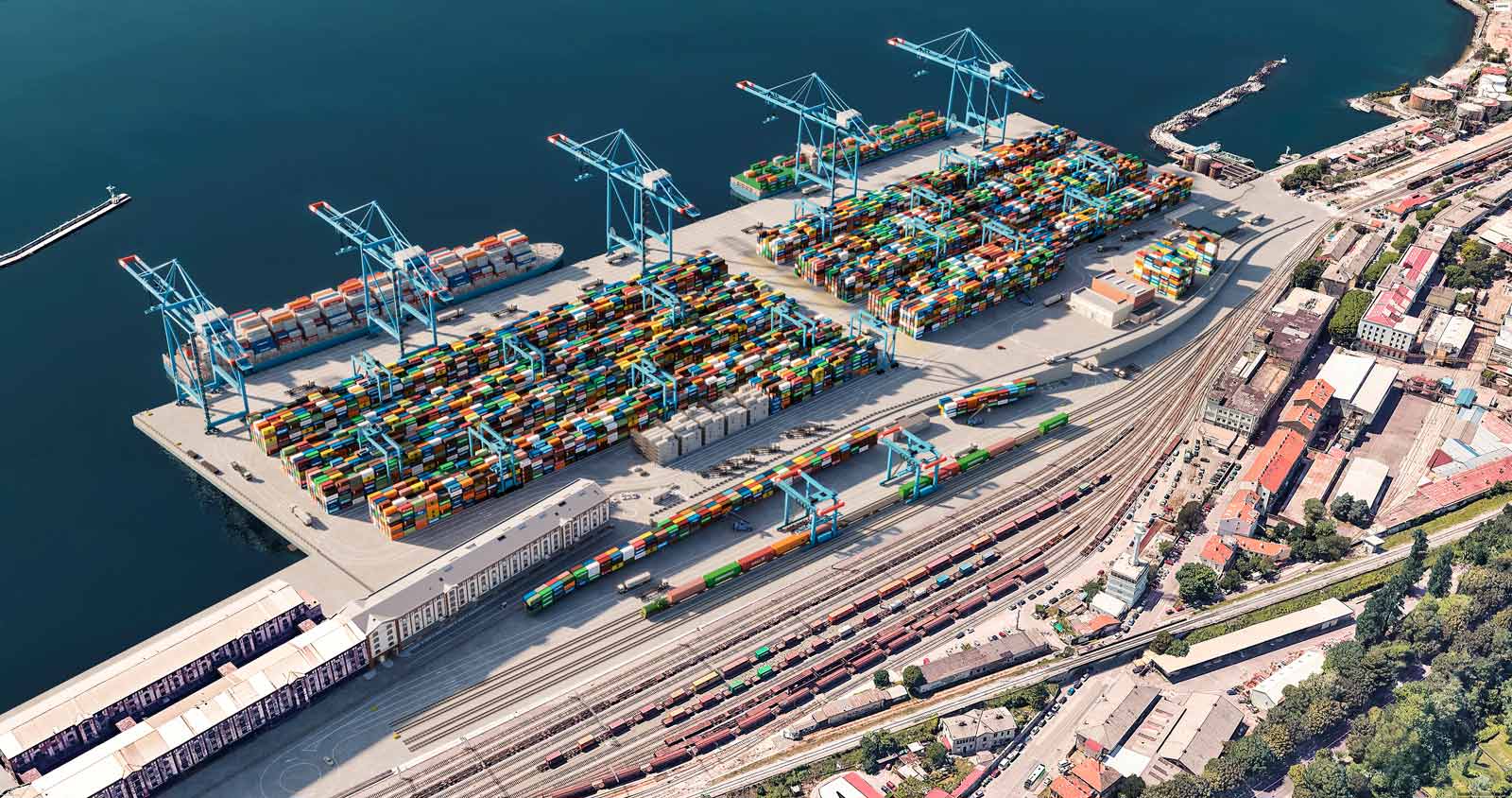
Rijeka Gateway (Photo: APM Terminals)
The Port of Rijeka is rapidly positioning itself as one of the most important logistics centres for Central and Southeast Europe, thanks to a wave of major transport and infrastructure developments.
As Croatia’s largest seaport for cargo, Rijeka serves as a crucial gateway for international trade.
Designated a port of special economic interest, it plays a vital role in attracting investment, boosting trade and creating employment.
Its strategic importance is further underscored by its place in the EU’s TEN-T network, serving several landlocked countries in the region and enhancing Croatia’s geostrategic profile.
According to a recent study, the port could generate up to €3.3 billion in economic activity by 2040 – a fivefold increase compared to today.
Rijeka Gateway enters final testing stage
Denis Vukorepa, Director of the Port of Rijeka Authority, told Croatian Television’s “Studio 4” that the new Rijeka Gateway terminal is now in the final phase of testing.
“The capacity of the terminal has doubled compared to the existing one,” Vukorepa explained, adding that the first commercial ship is expected to arrive on 12 September.
“The technical inspection has been completed, roads and roundabouts are finished. By 2026, this terminal will handle 210 ships – twice as many as now.”
The project has already led to a significant rise in employment, with the number of staff now exceeding 220.
Automation at the heart of the upgrade
Vukorepa highlighted that the system is modelled on Rotterdam’s fully automated port operations. “This is something completely new. In Europe, there are only a few terminals like this,” he said.
After signing the concession agreement, the project team visited Rotterdam to study its operations. In Rijeka, all functions are managed from a central control room, with no operators working outside – except for internal transport, which remains manual.
“This is a step into the future for the port, and for Croatia’s place in global logistics,” Vukorepa concluded.