Rakija season begins in Croatia as quality rises – and so do prices
- by croatiaweek
- in Food & Wine

Rakija revival
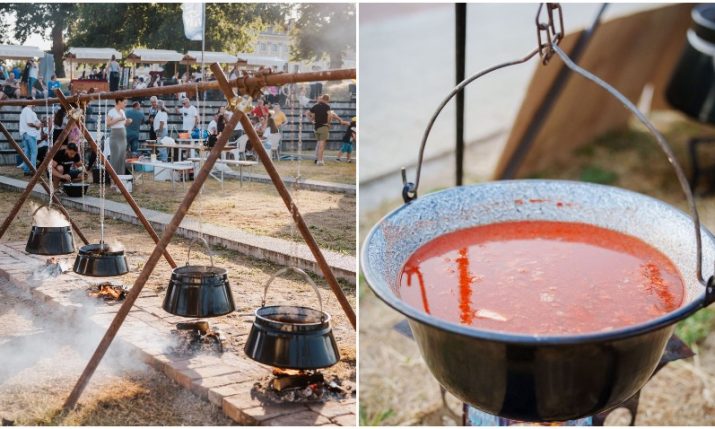
The fruit has been harvested, the cauldrons lit, and in Slavonia the season of distilling šljivovica, the eastern Croatian region’s most famous rakija, has begun.
For many, a morning rakija is still a tradition, often accompanied by the old Slavonian saying: “One rakija in the morning is not only healthy – it’s necessary.”
What has changed, however, is rakija itself. No longer viewed as a simple homemade drink, it has evolved into a refined spirit, crafted with care and increasingly enjoyed across Croatia.
Research shows that in just two years, the percentage of Croatians who drink rakija has risen from 23% to 31%. The trend is also noticeable in cafés and bars.
“Alongside beer and wine, rakija is one of the most popular drinks. It sells very well, and I’d say it is consumed today more than ever,” café owner Tomislav Vajda told Dnevnik Nova TV.
Tradition meets rising costs
At his distillery in Nemetin, Dinko Romić welcomes guests with a rakija of greeting. The aroma of freshly distilled šljivovica fills the air. But behind the familiar smell lies a growing challenge for producers – cost.
“The biggest expense today is fruit,” Romić explains. “When we form the price of rakija, fruit makes up 60–70% of it. This year the plum harvest has been catastrophic. Weather conditions have seriously affected yields. There aren’t many plums, and they are expensive – but the quality is excellent, so the rakija will be top-class.”
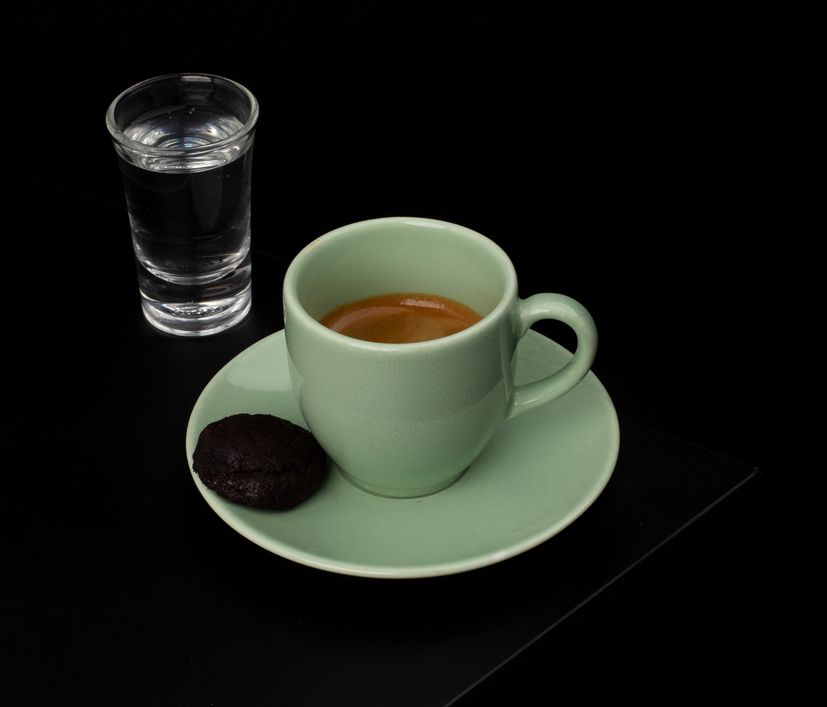
In recent years, rakija has undergone a transformation. Once dismissed as brlja – a rough, homemade brew – it is now marketed as a premium product, aged, branded, and carefully presented. The investment in technology and production has raised both quality and price.
A litre of standard šljivovica in shops can cost up to €20, with artisanal and domestic rakijas fetching even more.
“Rakija today is a refined drink, one that could stand alongside cognac. It’s a product that is branded, marketed, and cared for. The market is strong, and demand is there,” Romić says.
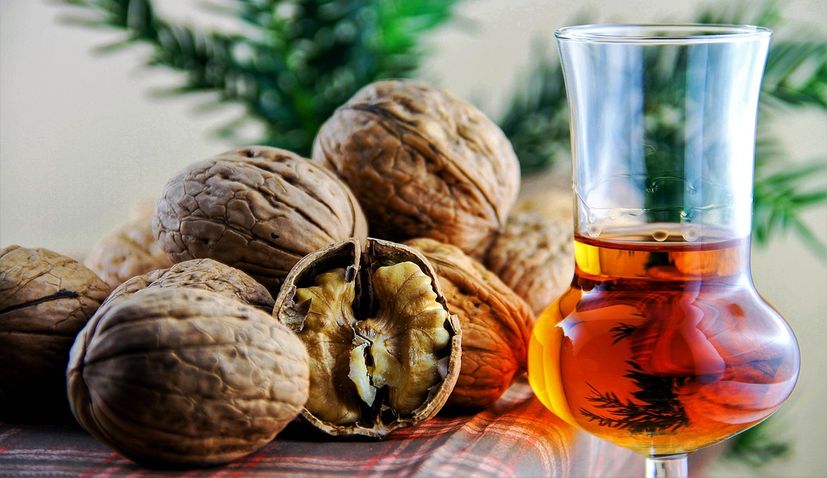
Rakija made from walnuts
As the cauldrons in Slavonia work through another season, one thing is clear: rakija is no longer just a rural custom but a Croatian spirit enjoying a renaissance – albeit one that comes at a higher price.