Procedures using latest hernia treatment methods introduced at Zagreb hospital
- by croatiaweek
- in News
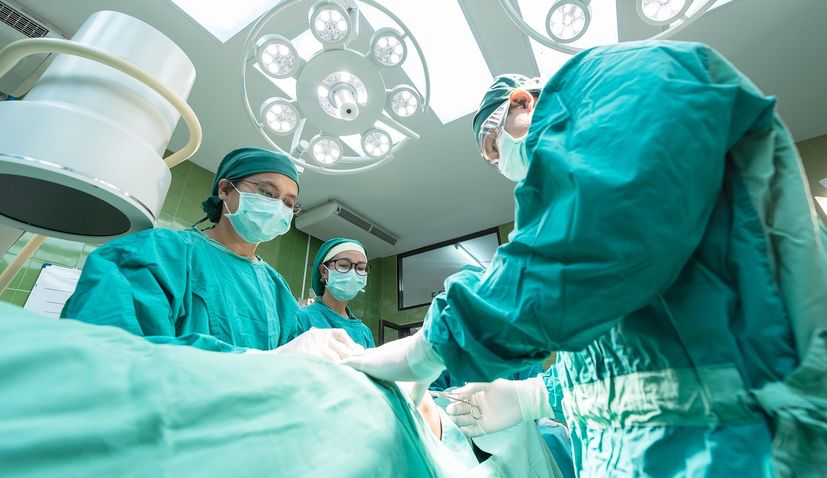
(Illustration)
Over three days, KB Dubrava Hospital in Zagreb dedicated its surgical programme to patients suffering from various types of hernias, a condition that particularly affects people of working age.
Globally, around 20 million new hernia cases are diagnosed each year.
At KB Dubrava, surgeons perform minimally invasive procedures for all types of abdominal wall hernias.
These advanced techniques reduce bodily trauma, shorten recovery times and allow patients to return to their normal routines more quickly.
During the three-day initiative, 12 patients will undergo surgery, helping to ease long waiting lists.
In one of the operating theatres, a 36-year-old patient was prepared for surgery to remove a hernia that developed three years after a gallbladder operation.
Instead of a permanent implant, surgeons planned to use a resorbable mesh.
“We will once again enter the abdomen laparoscopically to repair the ventral hernia,” Dr Dario Kožul, abdominal surgery specialist at KB Dubrava, explained to HRT.
“The patient will receive a reconstruction of the abdominal wall with a mesh that will completely dissolve over the next 12 to 18 months, allowing the formation of new, high-quality tissue that will repair the defect.”
This method eliminates the presence of permanent foreign material in the body, reduces the risk of complications and enables faster recovery.
“With traditional methods, we usually advise patients to avoid heavy activity for at least two months,” said Dr Fedor Amić, head of the Day Hospital at the Department of Abdominal Surgery.
“With laparoscopic techniques, particularly for inguinal hernias, patients can return to full activity within three weeks. For younger people, this is especially important, they can run, play sports and get back to work quickly.”
The surgical team performs several types of procedures, including TEP (total extraperitoneal hernioplasty), TAPP (transabdominal preperitoneal hernioplasty), and IPOM + LIRA.
“TEP and TAPP are used for inguinal hernias, while IPOM + LIRA are applied for midline abdominal wall hernias,” Dr Valentino Lisek, abdominal surgery specialist at KB Dubrava, told HRT.
Normally, the team operates on two to three patients per week, but during this initiative, they will operate on 12.
Waiting times for hernia surgery can be as long as two years, and most patients are from the working-age population, hernias often develop as a result of physical strain.
One of the patients was pleased with his outcome:
“The operation went excellently, better than expected. I noticed a small bulge and had it checked; the diagnosis confirmed a hernia that needed surgery,” he said.