New ferry and catamaran lines for Split, Zadar and Brač
- by croatiaweek
- in News
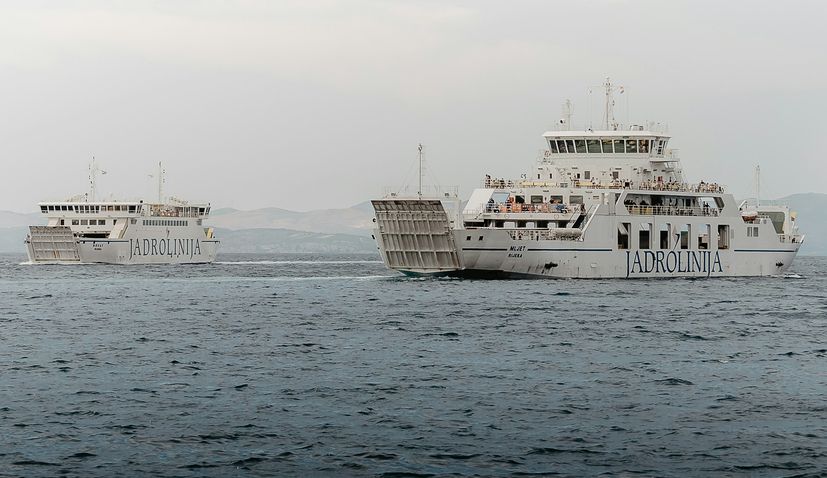
Croatia’s national ferry operator Jadrolinija has entered the new year with ambitious plans, expanded routes and stronger island connectivity, particularly for Brač, Split and Zadar, HRT reports.
Last year, Jadrolinija transported around 3.5 million vehicles and 12.2 million passengers, underlining its key role in Croatia’s transport network.
From 1 January, residents and visitors travelling to Brač have benefited from a major change: the island is no longer operating under a reduced winter timetable.
Instead, Brač is now connected to the mainland with a minimum of 12 ferry services per day throughout the year, with additional sailings introduced when needed. While ticket prices are slightly higher than last year, Jadrolinija has confirmed that prices will remain stable during the summer months, ending the long-standing practice of seasonal increases.
For island residents, fares remain unchanged under the islander tariff system, while visitors will no longer face higher summer prices on Brač, unlike on some other islands.
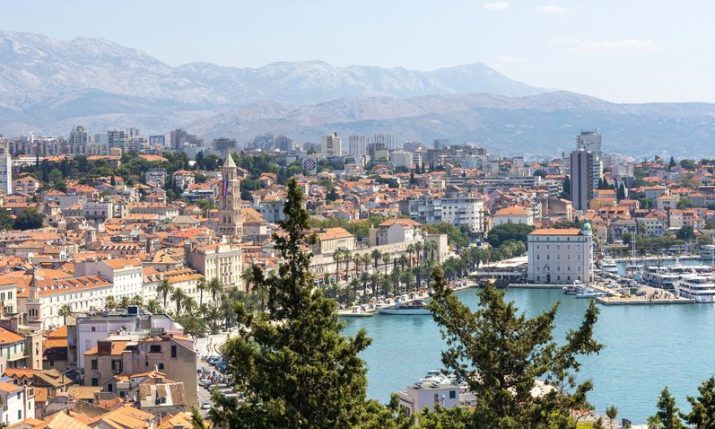
Split’s ferry port has also begun the year quietly, but with major developments underway. Works are currently ongoing, with ferries temporarily relocated to St Duje’s Pier.
The expansion of St Peter’s Pier is scheduled for completion within the next two years, while a new international passenger terminal is expected to open before the start of the upcoming tourist season.
From this summer, Jadrolinija will introduce new international routes, strengthening Croatia’s maritime links with Italy. These include a new Split–Bari ferry line and a Zadar–Ancona catamaran service, operated by the vessel Jelena.
The ferry Dalmacija will continue to sail daily to Ancona, while Dubrovnik–Bari will also be added during the peak season.
Seasonal demand is expected to rise sharply before Easter, with additional ferry lines, increased catamaran services and the arrival of cruise ships. During the summer months, Split will see intense traffic, with up to 20 daily catamaran services to Hvar alone.
On Brač, reactions to the increased number of sailings have been mixed but largely positive. Many residents welcome the improved flexibility, noting that the island can now be reached at almost any hour.
Others question whether so many winter services are necessary, given lower passenger numbers outside the tourist season.
Meanwhile, the ferry Marko Polo, which previously operated on the Ancona route, has been reassigned to strengthen local services.
Looking ahead, Split’s ferry port, Croatia’s busiest passenger harbour, is expected to reach new records in passenger traffic by 2026, reflecting continued growth in maritime transport and tourism.