More cars, fewer babies: Croatia’s contrasting demographic reality
- by croatiaweek
- in News
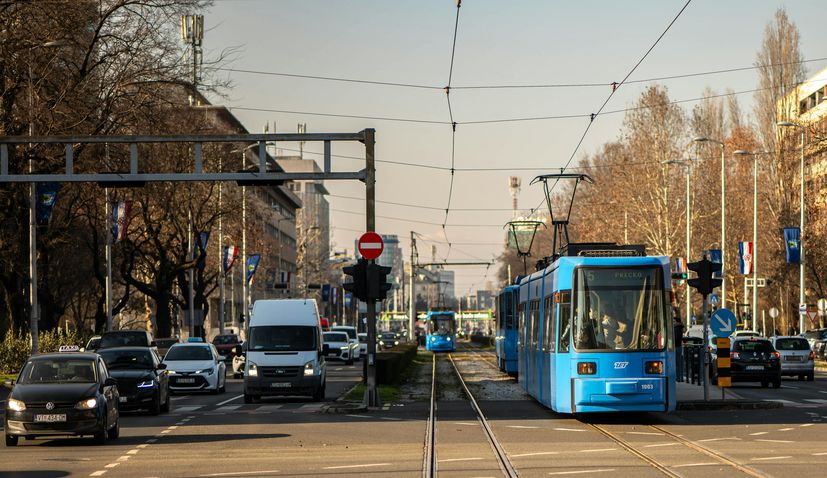
Zagreb
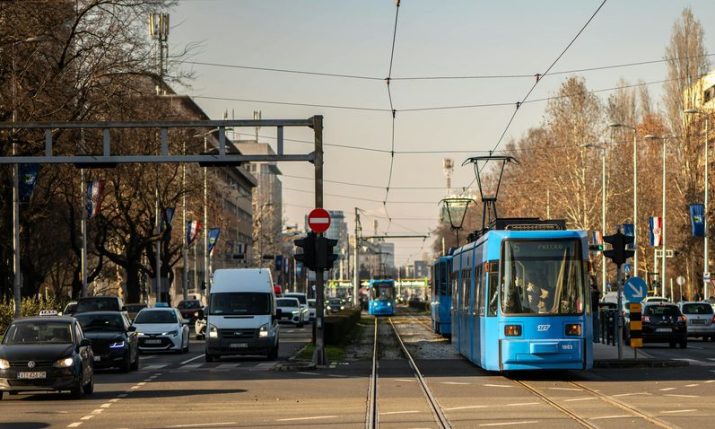
ZAGREB, 22 December 2025 (Hina) – While Croatia continues to grapple with serious demographic challenges, its roads are becoming increasingly crowded.
New data show a clear and worrying contrast: the number of registered vehicles is rising steadily, while the number of newborns continues to fall.
According to figures from the Croatian Bureau of Statistics (DZS), a total of 2,663,874 road vehicles were registered in Croatia in 2024. Of these, 1,987,156 were passenger cars.
The overall number of registered vehicles rose by 4.3 per cent compared to 2023, confirming a long-term upward trend.
At the same time, Croatia is facing an ageing population and persistently low birth rates.
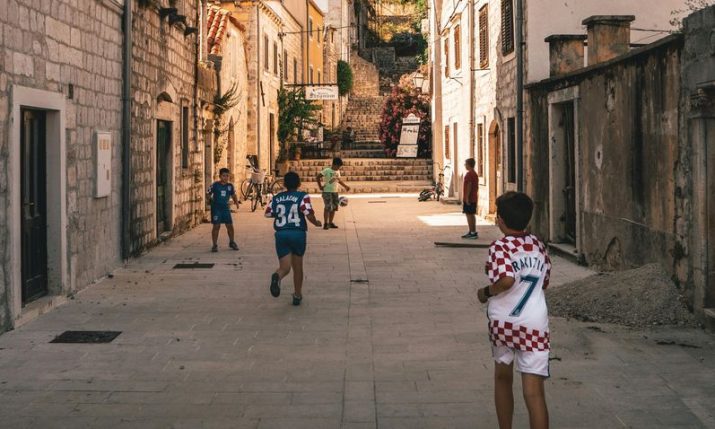
DZS data show that 35,845 children were born in 2020. By 2022, this figure had fallen to 33,883, and in 2024 the number of newborns dropped further to just 32,069.
Population census data underline the scale of the issue.
Children aged up to 14 now make up only around 14.3 per cent of Croatia’s population. With a total population of 3,871,833, this means there are approximately 550,000 to 560,000 children in the country, far fewer than the number of registered cars.
The steady growth in vehicle numbers also reflects changing consumer habits. In 2020, Croatia had 1,746,285 registered passenger cars. Two years later, the figure rose to 1,840,767, before reaching nearly two million in 2024.
Demographer Ivo Turk says both trends paint a clear picture of modern life in Croatia.
When it comes to births, having children in one’s early twenties, biologically the most favourable period, has become rare. Women are increasingly engaged in education, careers and public life, and most now choose to have children in their thirties.
However, Turk argues that Croatia’s population policies have failed to adapt to this reality. Instead of recognising new social patterns, support for parents remains limited.
Even small changes, he believes, could encourage more couples to start families.
Measures such as flexible or reduced working hours, working from home where possible, or employment closer to home could all make parenting more manageable, Turk says.
He is sceptical that Croatia will ever return to fertility levels seen in the past. The only way to come close, he adds, would be if immigrants have children in Croatia.
The country has shifted from being a nation of emigration to one of immigration, particularly for workers from Asia. While this benefits employers by lowering labour costs, it also puts pressure on the domestic workforce.
Could changes in working patterns reduce the number of cars on Croatia’s roads? Turk doubts it. Croatians, he says, are a nation that values car ownership, and as living standards rise, so too will the number of vehicles.
Economist Velimir Šonje links the growth in car registrations directly to improved living standards, driven by strong economic growth over the past decade. Today, Croatia has around 200,000 more people in employment than it did 15 years ago.
This has led to more households with two working adults. Women’s employment rates have risen significantly compared to a decade ago, prompting many families to purchase a second car, usually a used one.
The figures highlight a defining paradox of modern Croatia: economic growth and rising mobility on the one hand, and a shrinking, ageing population on the other, a challenge that will shape the country’s future for decades to come.