Major changes coming to driving licences in Croatia under new rules
- by croatiaweek
- in News

Drivers across Croatia, from learner motorists to seasoned professionals, are set to face one of the most significant changes to the driving licence system in decades as the country prepares to align with a new European Union directive.
As Večernji list reports, the reform, which comes with a transition period of up to four years, aims to improve road safety across the EU while modernising administrative procedures for the digital age.
Its impact will be wide-ranging, affecting how licences are issued, used, renewed and recognised across member states.
One of the most notable changes is the introduction of a digital driving licence.
The traditional plastic card will gradually be complemented, and in many cases replaced, by a digital version stored on a smartphone via a dedicated application.
Similar to digital ID documents or bank cards, the system will make roadside checks easier and reduce fraud.
Drivers will still be able to keep a physical licence if they prefer, but the long-term direction is clearly digital.
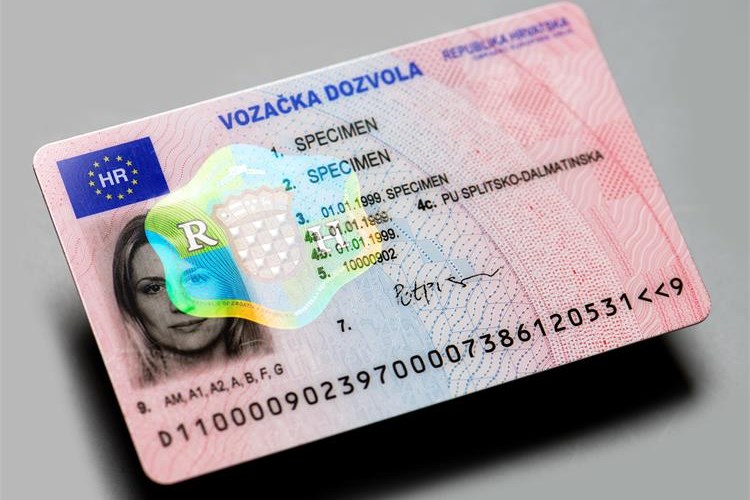
(Photo: ADK/MUP)
Young and inexperienced drivers are a key focus of the new rules.
All new drivers will face a mandatory probationary period of at least two years, during which stricter penalties will apply for serious traffic offences.
These include a zero-tolerance approach to drink-driving, as well as tougher sanctions for not wearing seatbelts or using mobile phones while driving. The directive also allows drivers to obtain a licence at 17, provided they only drive with an experienced accompanying driver until they turn 18.
Changes are also planned for professional drivers, partly to address labour shortages in the transport sector.
The minimum age to drive lorries will be lowered from 21 to 18, while bus drivers will be able to start at 21 instead of 24.
For category B licence holders, the maximum permitted vehicle weight will increase from 3.5 to 4.25 tonnes for vehicles such as campervans, subject to additional training or testing.
Medical checks will become more structured. Health assessments will be required when a licence is first issued and at each renewal, with a focus on eyesight and cardiovascular health.
For car and motorcycle drivers, member states may allow a self-assessment system instead of a full medical examination. Licence validity will also change: car and motorcycle licences will generally last 15 years, while professional licences will be valid for five.
Perhaps the most far-reaching safety measure is the EU-wide recognition of driving bans. Under the new system, a ban issued in one member state will apply across the entire EU, preventing offenders from avoiding penalties by crossing borders.