Major border change from October: What travellers need to know
- by croatiaweek
- in News
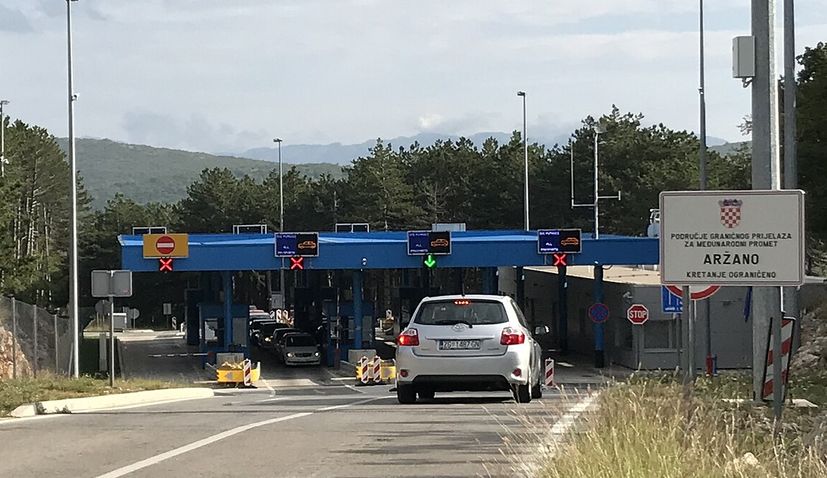
A significant change is coming to European borders, including Croatia’s, next month as the European Union begins rolling out its new Entry/Exit System (EES).
From 12 October 2025, the EU will gradually introduce the new digital system across the external borders of 29 European countries, including non-EU states that are part of the Schengen Area.
The system is part of the EU’s “smart borders” strategy, aimed at making border checks quicker for regular travellers while strengthening measures against illegal immigration.
Under the new rules, the familiar passport stamps will be phased out.
Instead, travellers from outside the EU will have their details recorded electronically. On their first trip, passengers will be checked either through fingerprints or a facial image – not both at the same time, Večernji list reports.
Once registered, they will no longer need a stamp in their passport for future crossings.
The EES will collect biometric data, including fingerprints and facial scans, alongside basic travel information.
This will allow authorities to immediately see if a traveller has overstayed the permitted period within the EU.
According to the European Commission, the system will replace manual stamping with an advanced digital record of short-term stays.
However, the launch of a companion digital application, designed to make the process easier for travellers, has been delayed as member states work to integrate the EES into their national immigration frameworks.
The full roll-out is expected to take up to six months after the official launch date.
This means travellers may notice differences depending on the border crossing – at some points, biometric data will be collected immediately, while at others the traditional passport stamp will still be used during the transition period.
Preparations for the change have already started at several border checkpoints, and travellers are advised to allow extra time when crossing as the new procedures are phased in.