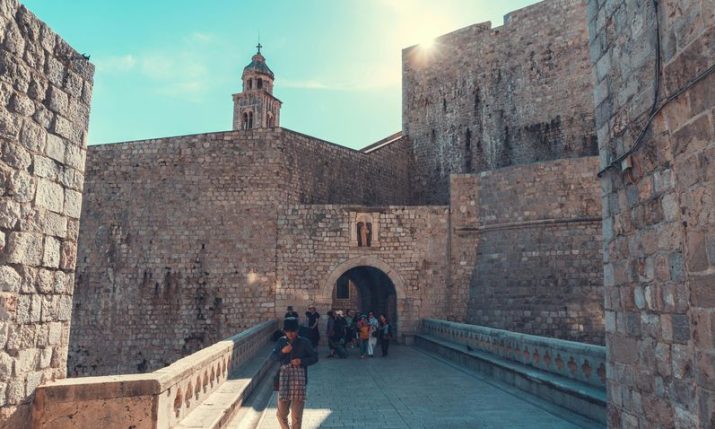
LegendFest Poljica 2025 – A festival in the heart of Mosor where the legends of Poljica come alive again
- by croatiaweek
- in Entertainment
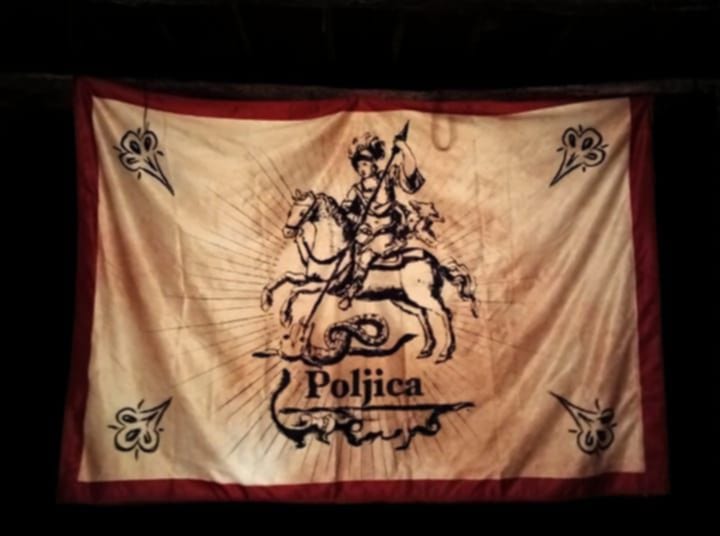
(Photo: LegendFest Poljica)
By Zoran Rajn
In the heart of Mount Mosor, where the Republic of Poljica once thrived for centuries, the association Val kulture and the Local Committee of Tugare bring back to life the stories, customs, and heritage of this unique region through the festival LegendFest Poljica 2025.
Historical Background and Origins
Between the mighty Mosor, the Cetina River to the east, Žrnovnica to the west, and the Adriatic Sea, for centuries there existed a small but, in European and world terms, unique socio-political community – the Republic of Poljica or Poljička Knežija.
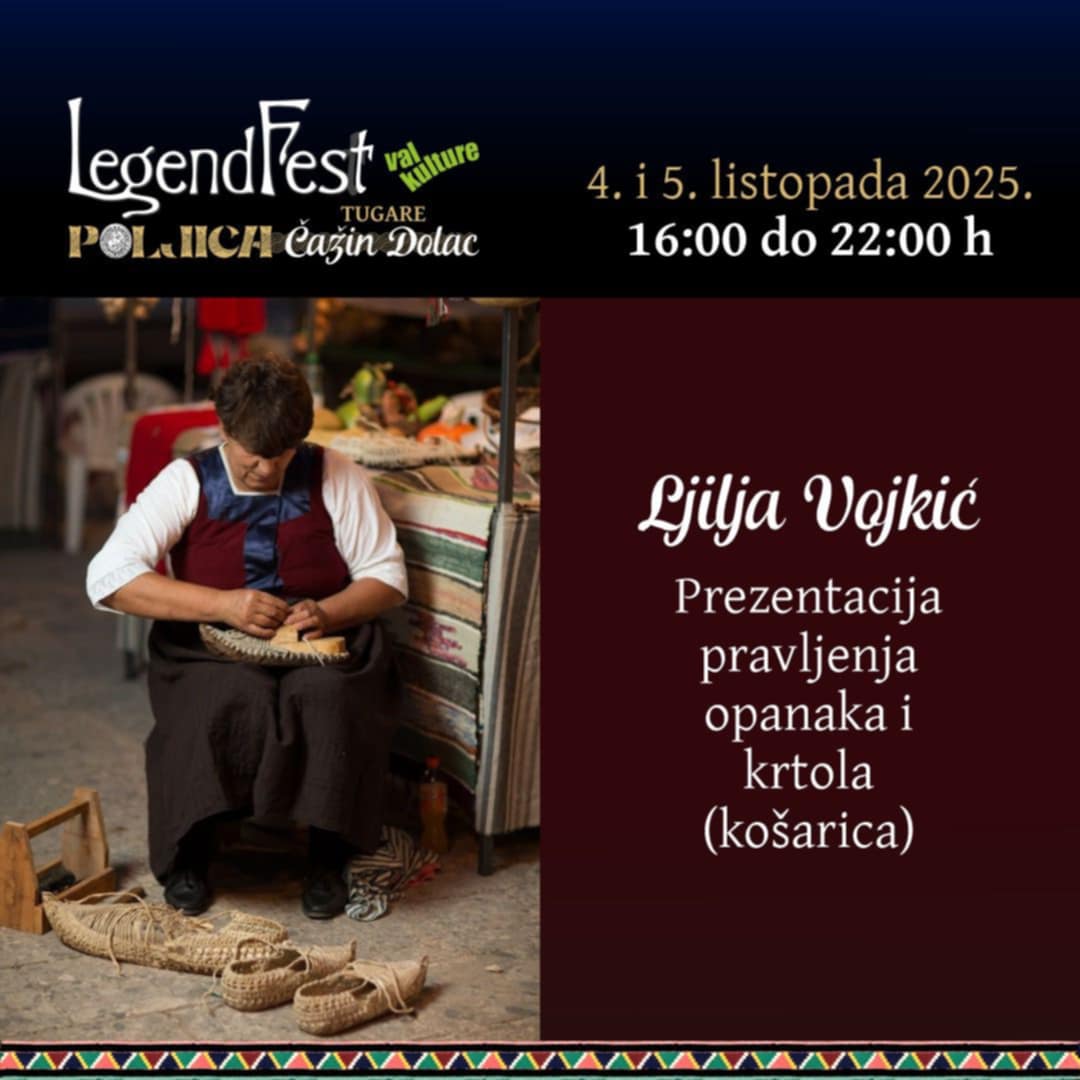
(Photo: LegendFest Poljica)
This area was inhabited since prehistoric times, with traces left by the Illyrians and Romans. According to legend, three brothers – Tješimir, Krešimir, and Elem, descendants of the Croatian king Miroslav – founded the Poljica parishes and tribes (didići), from which developed three great lineages: Tješimirović, Krešimirović (Kremeničani), and Limić (Flemović).
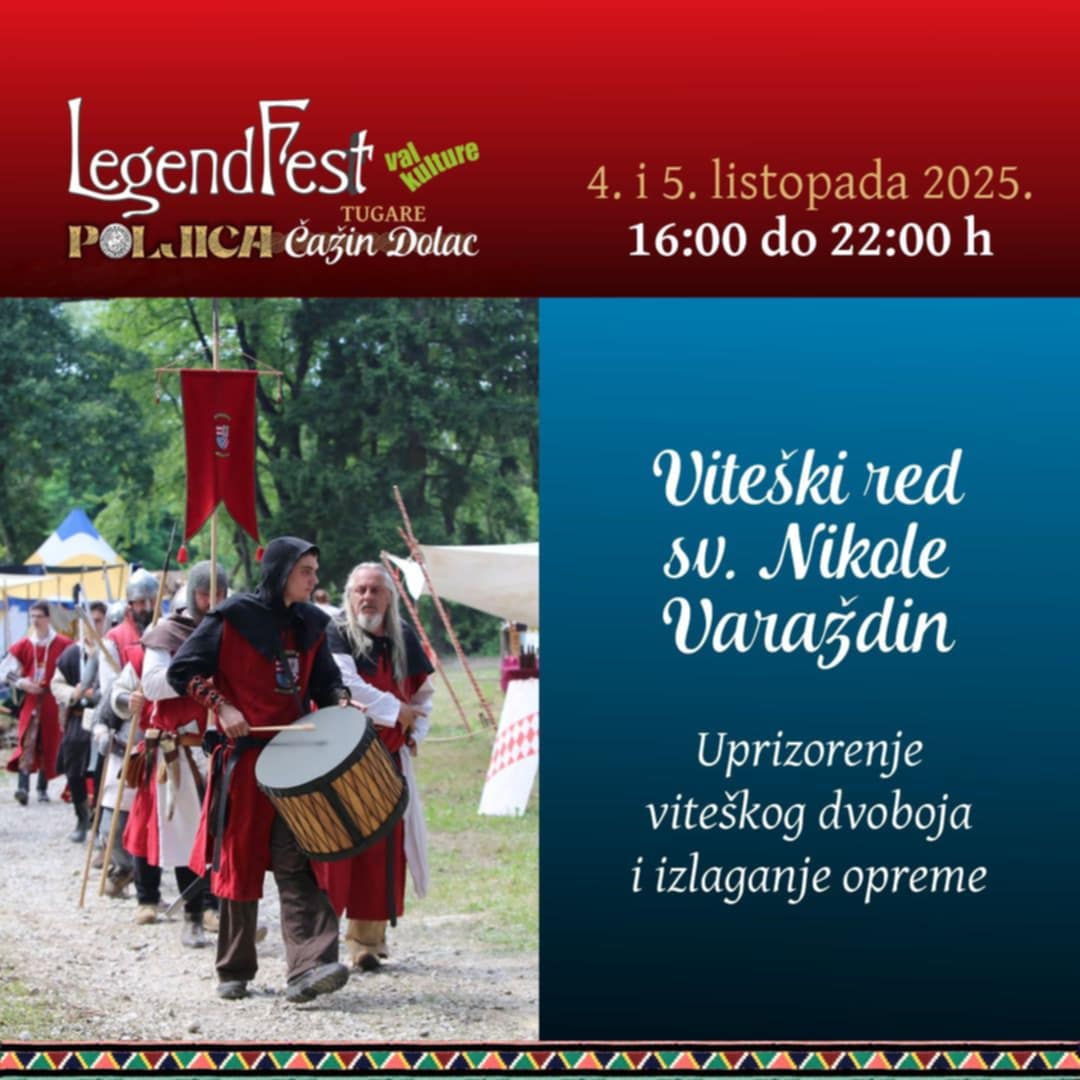
(Photo: LegendFest Poljica)
Governance and the Poljica Statute
The territory of Poljica was divided into Lower, Middle, and Upper Poljica, into 12 katuns, large villages with smaller settlements belonging to them, each of which had its representative – the katunar.
(Photo: LegendFest Poljica)
Unlike the aristocratic Republic of Dubrovnik, Poljica was a “people’s republic”. The Grand Duke was elected by the katunars each year on the feast of St. George, April 23, after a religious ceremony on Gradac Hill. In the Poljica Statute, Article 1 states: “The first law of Poljica is to take as Duke a man who is faithful to the Lord and pleasing to Poljica.”
The Poljica Statute is one of the key symbols of this autonomy. The Statute is a written collection of legal regulations on the organization of the commune, judiciary, administration, and civil and criminal law.
(Photo: LegendFest Poljica)
It was written in poljičica – Croatian Cyrillic or bosančica (called the “arvacko” script), in Chakavian and Shtokavian dialects. It begins with the words: “In the name of the Lord God Amen. The Statute of Poljica and the judges’ Statute from the old we renew anew in the year of the Lord Jesus Christ 1440.” The oldest preserved manuscript dates from 1440, but it is assumed that the Statute was already created at the end of the 14th century. Today it is kept in the archives of the Croatian Academy of Sciences and Arts (HAZU), translated into several languages, and some historians even claim that it may have inspired Thomas More in writing Utopia. Alongside the Vinodol Code, it is the most valuable legal monument of the medieval Croatian state.
(Photo: LegendFest Poljica)
Relations with Neighbors, Threats, and the End of the Republic
The Republic of Poljica maintained its autonomy throughout its long centuries, despite pressures from the Venetians, Ottomans, and other powers. During Turkish rule, the people of Poljica paid tribute but preserved a significant degree of internal freedom. Under Venice they also had confirmed privileges.
When necessary, the people of Poljica knew how to defend their freedom by force. The strength of Poljica lay in the fact that – when needed – all inhabitants were warriors.
(Photo: LegendFest Poljica)
(Photo: LegendFest Poljica)
Ottoman conquerors in the 16th century almost subdued them, but it was then that the brave young woman Mila Gojsalić, the Croatian Judith from the village of Kostanje in the Dalmatian hinterland, entered into legend. According to tradition, she sacrificed herself by setting fire to the gunpowder store in the Ottoman camp and thus destroyed the army of Ahmed Pasha, giving Poljica victory and freedom.
(Photo: LegendFest Poljica)
Her sacrifice inspired artists for centuries – Ivan Meštrović created her imposing statue on the lookout near the village of Gata, August Šenoa dedicated a poem to her in his Povjestice, and Jakov Gotovac composed the opera Mila Gojsalića in 1951.
The end of the Republic of Poljica came in 1807 when French forces under Marshal Marmont abolished its status and integrated the territory into new administrative units under French rule. Yet even Marshal Marmont wrote in his notes that he had never seen anything like it: “No taxes are paid in Poljica, which appoints its own commanders and officials.
(Photo: LegendFest Poljica)
They have no army or navy, for in times of need all Poljičani are together under arms. Everything in this state speaks for its benefit – the sight of it and the manner of their governance. Nothing is more orderly and diligent than their farming, nothing more decent than their villages, and nothing more just than their regulations.”
Rich Sacral and Cultural Heritage
Poljica has always been deeply connected with the Catholic Church. Every village and hamlet had at least one church or chapel, and in Sitno there are even nine – believed by many to be the most per capita in all of Croatia. This was not by chance: because of the scattered hamlets, everyone wanted their own chapel, and Glagolitic priests encouraged their construction and cultural life.
The most important among them, the Church of St. Clement, was for centuries the cultural center of Poljica and the place where laws were written, history preserved, and dukes and nobles buried. Among the more significant churches are also the church in Vršina dedicated to St. George as the protector of Poljica, the church of St. Catherine in Tugare, and the Church of the Nativity of the Blessed Virgin Mary in the hamlet of Čažin Dolac.
Poljica left behind not only laws and folk tales but also food. The most famous is soparnik, thin dough filled with chard, onion, and olive oil, baked under embers of dried vine and olive branches.
Born from peasant cuisine, this simple yet extraordinary dish is today protected by UNESCO as intangible cultural heritage.
The fields of Poljica and the cliffs of Mosor have inspired many people through history, including Antun Mihanović, author of the Croatian national anthem, whose ancestors came from Poljica. Poljica also served as a backdrop for world cinema – in its stone canyons, parts of the cult Winnetou films were shot, with many villagers as extras, and in Gornje Sitno in 1958, the film The Road a Year Long, the first Croatian film nominated for an Oscar, was filmed.
(Photo: LegendFest Poljica)
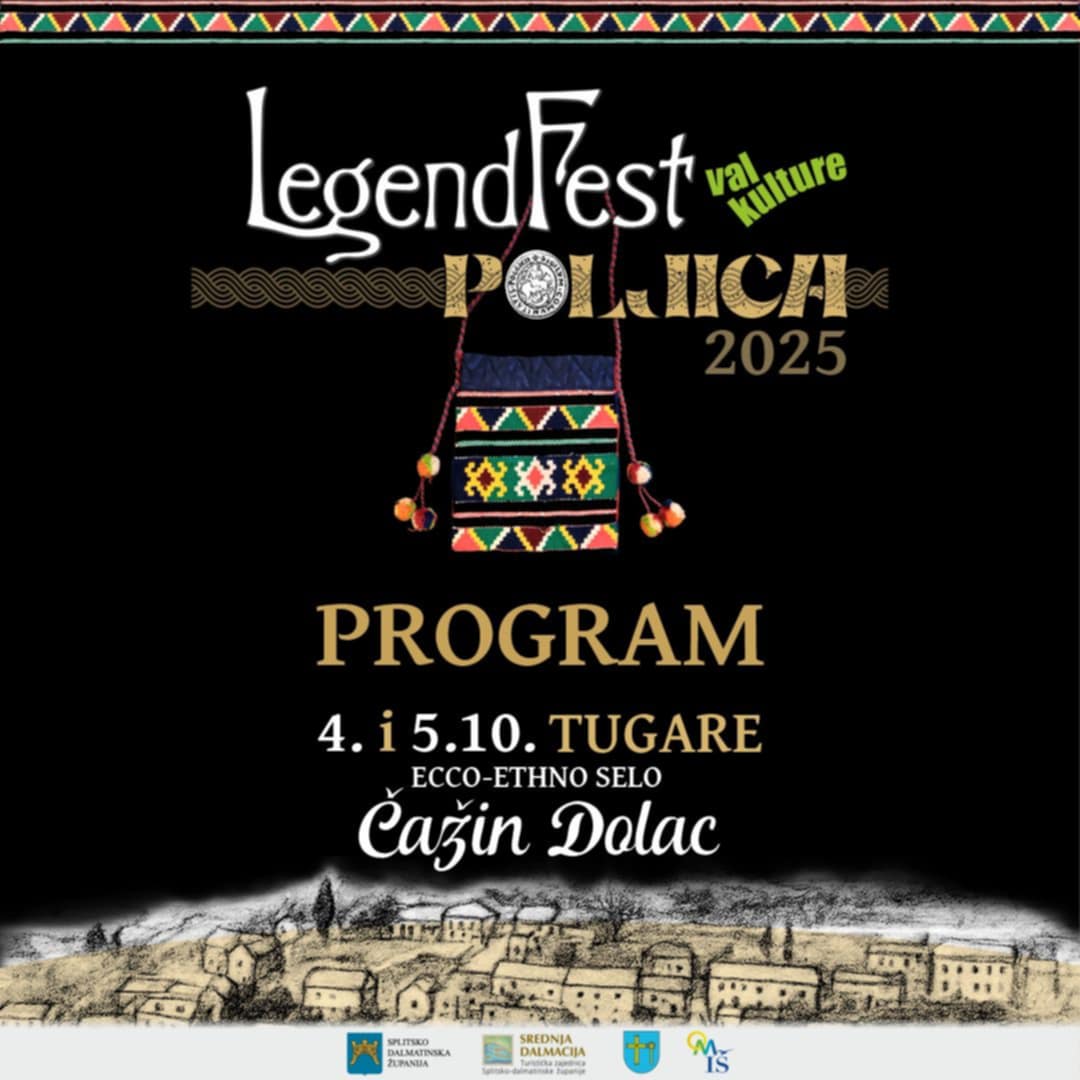
LegendFest Poljica 2025
To revive and bring closer to citizens the rich historical and cultural heritage of Poljica, the association Val kulture and the Local Committee of Tugare are, for the second year in a row, organizing the unique festival LegendFest Poljica 2025.
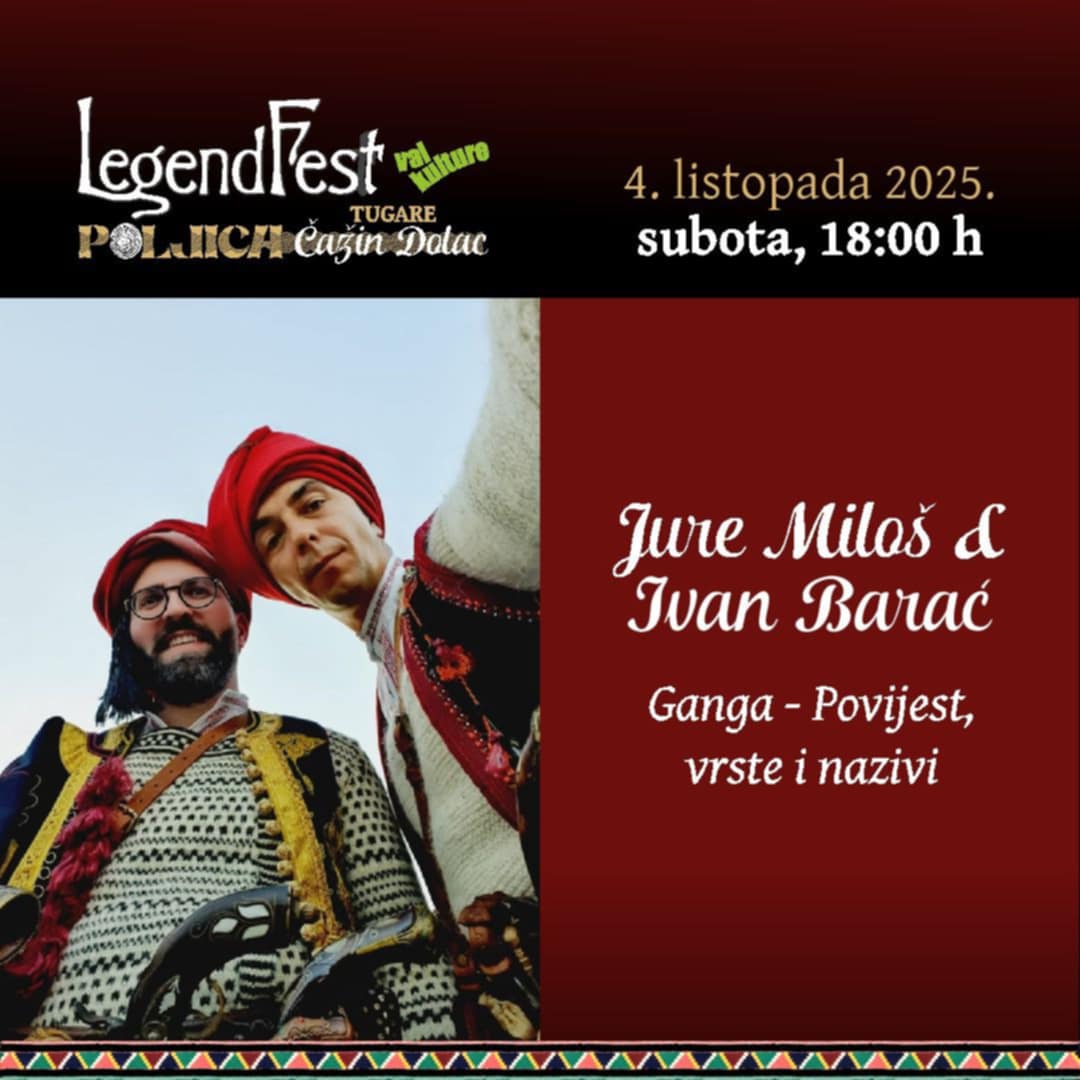
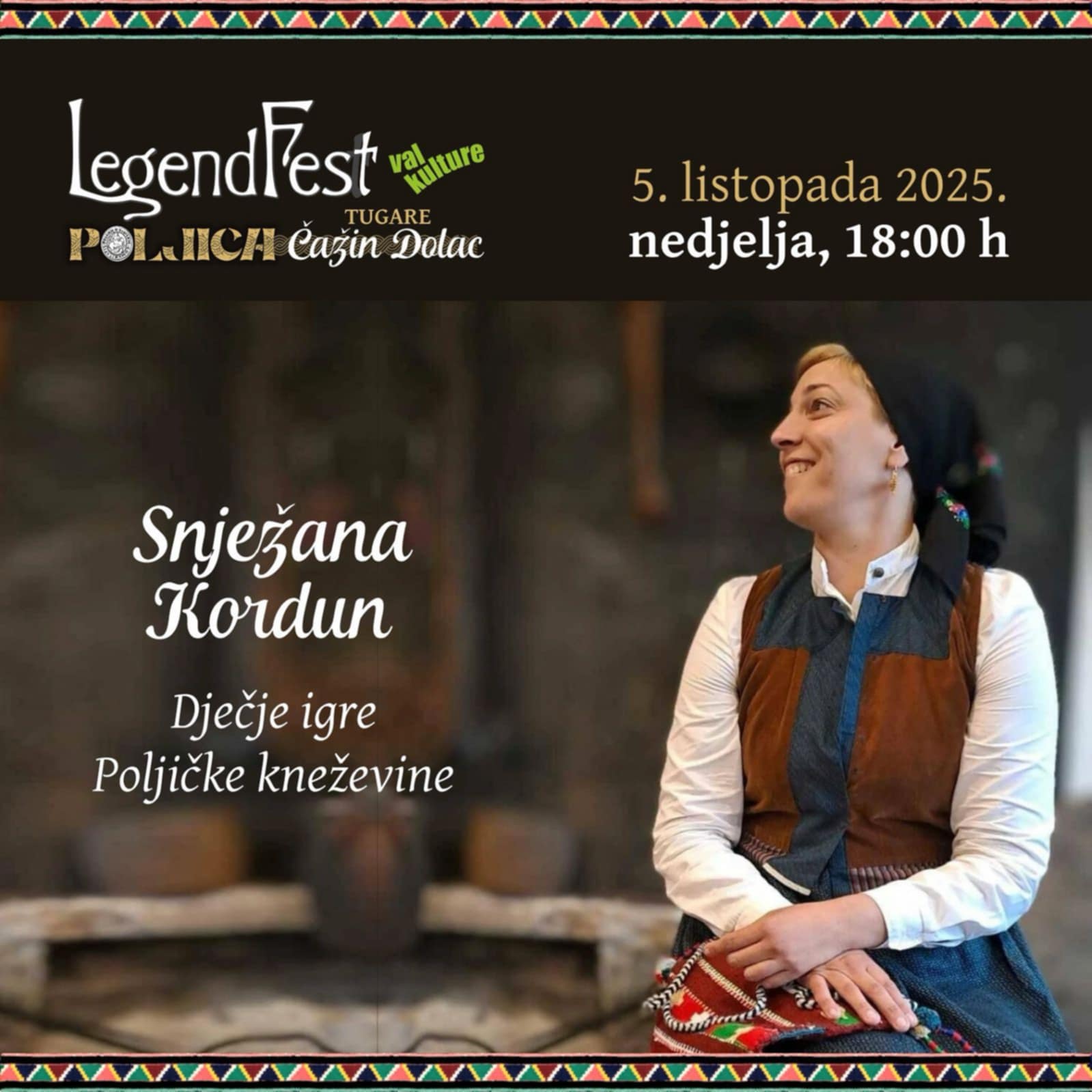
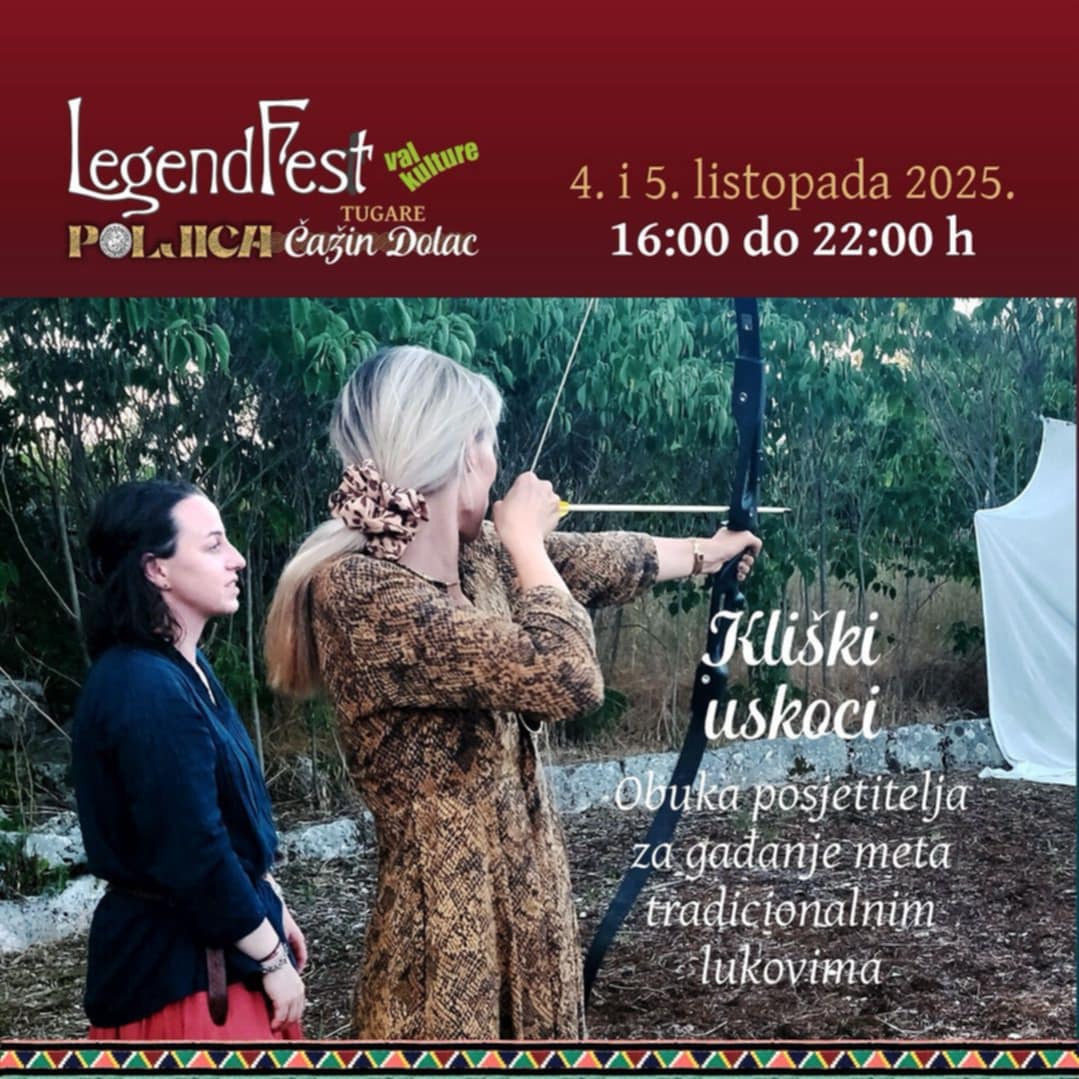
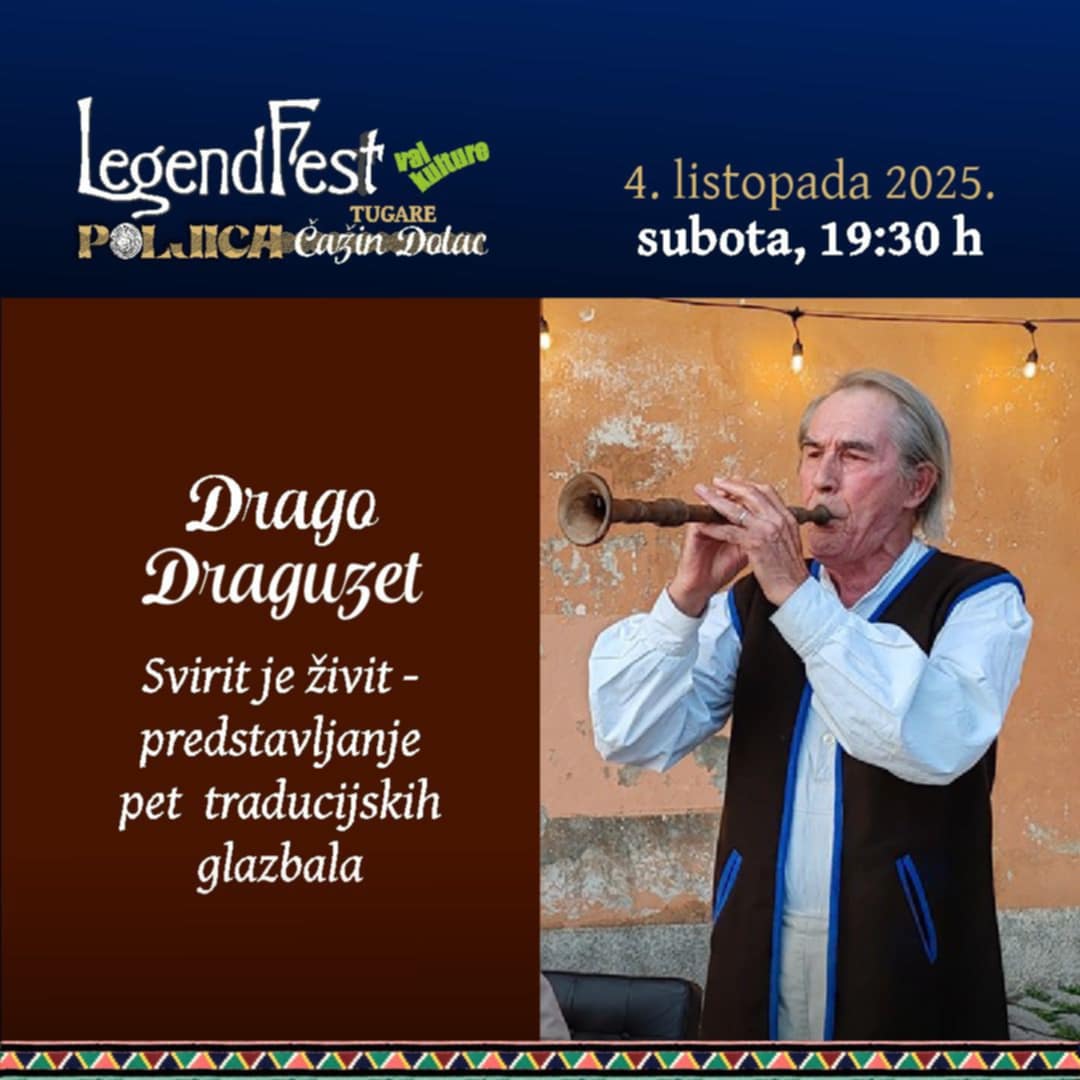
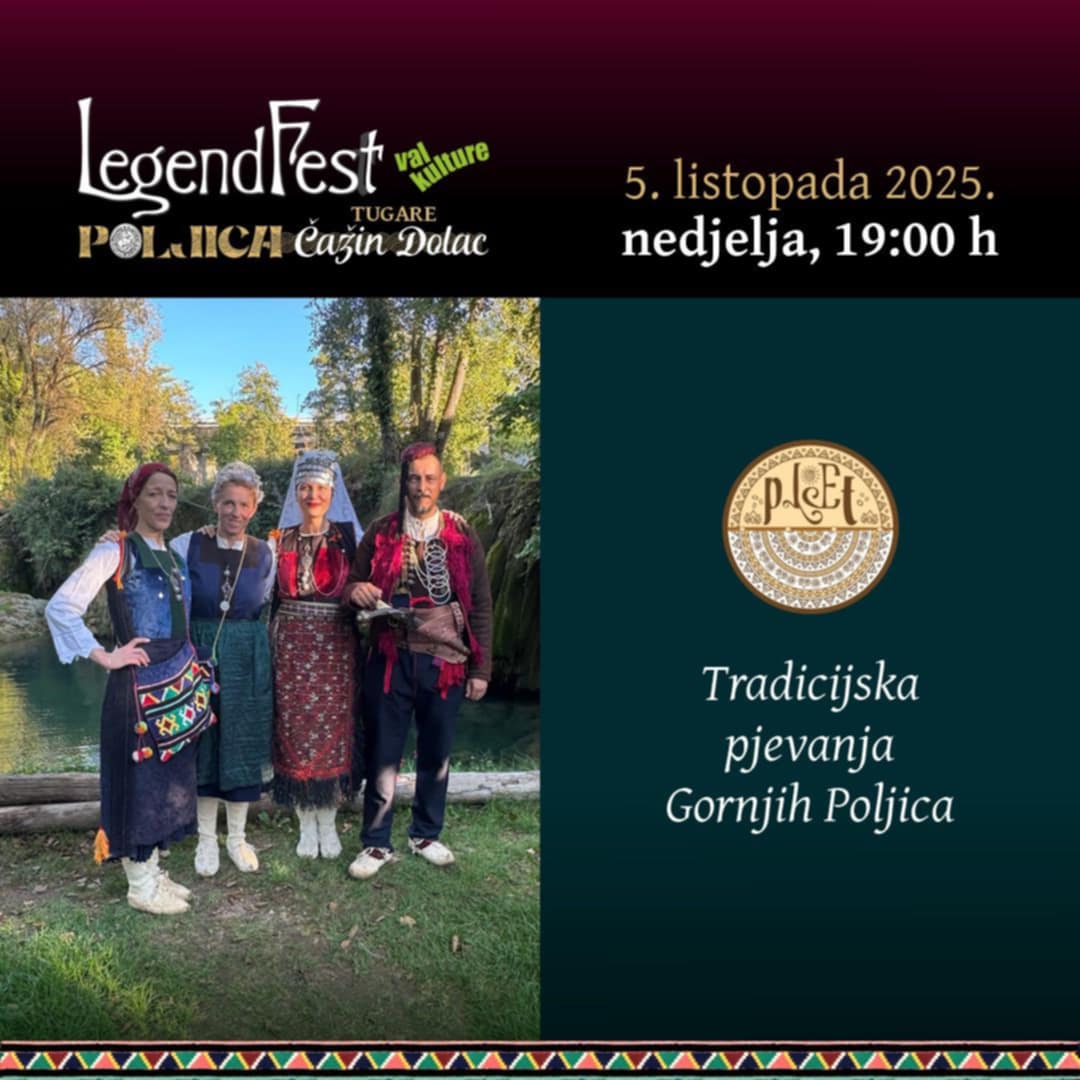
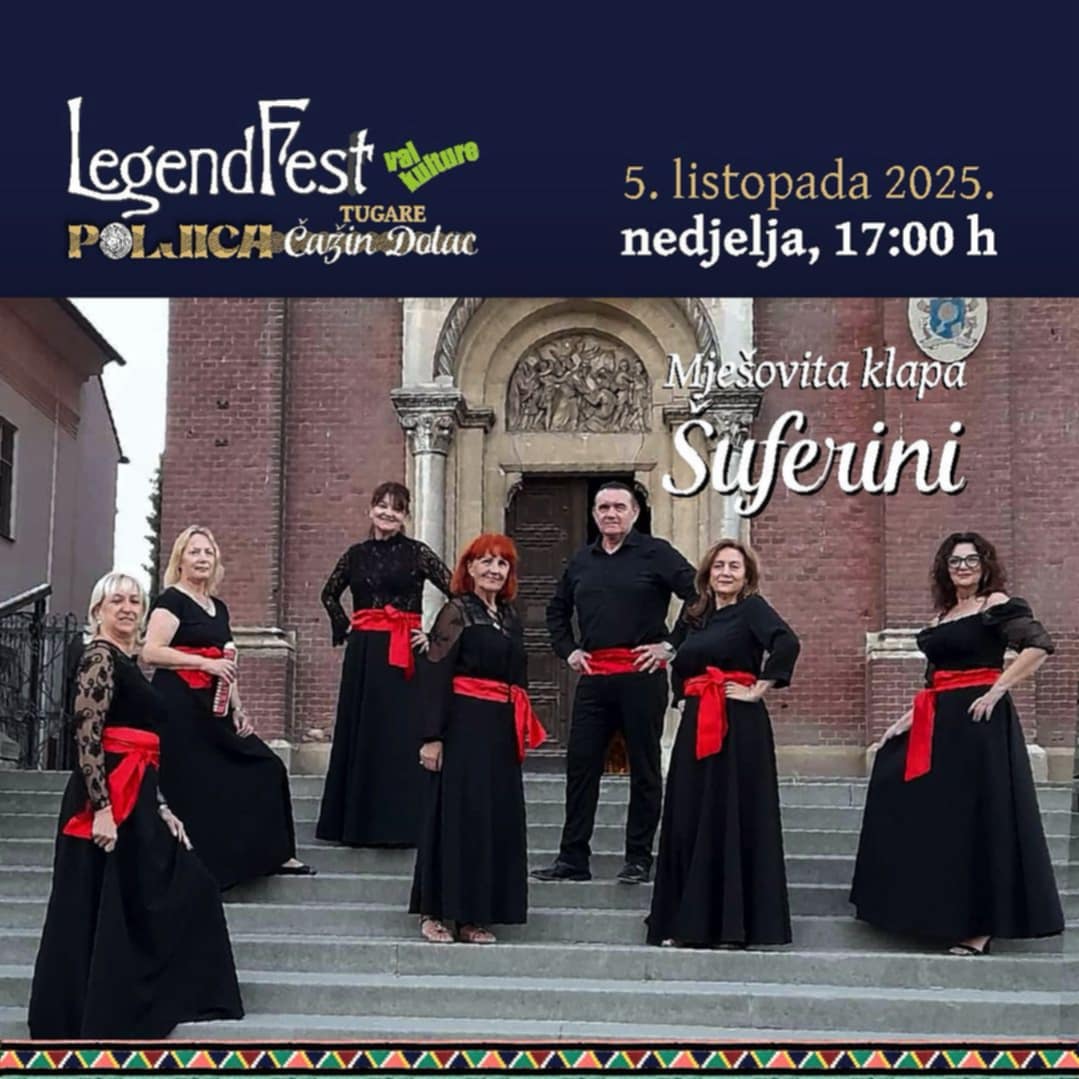
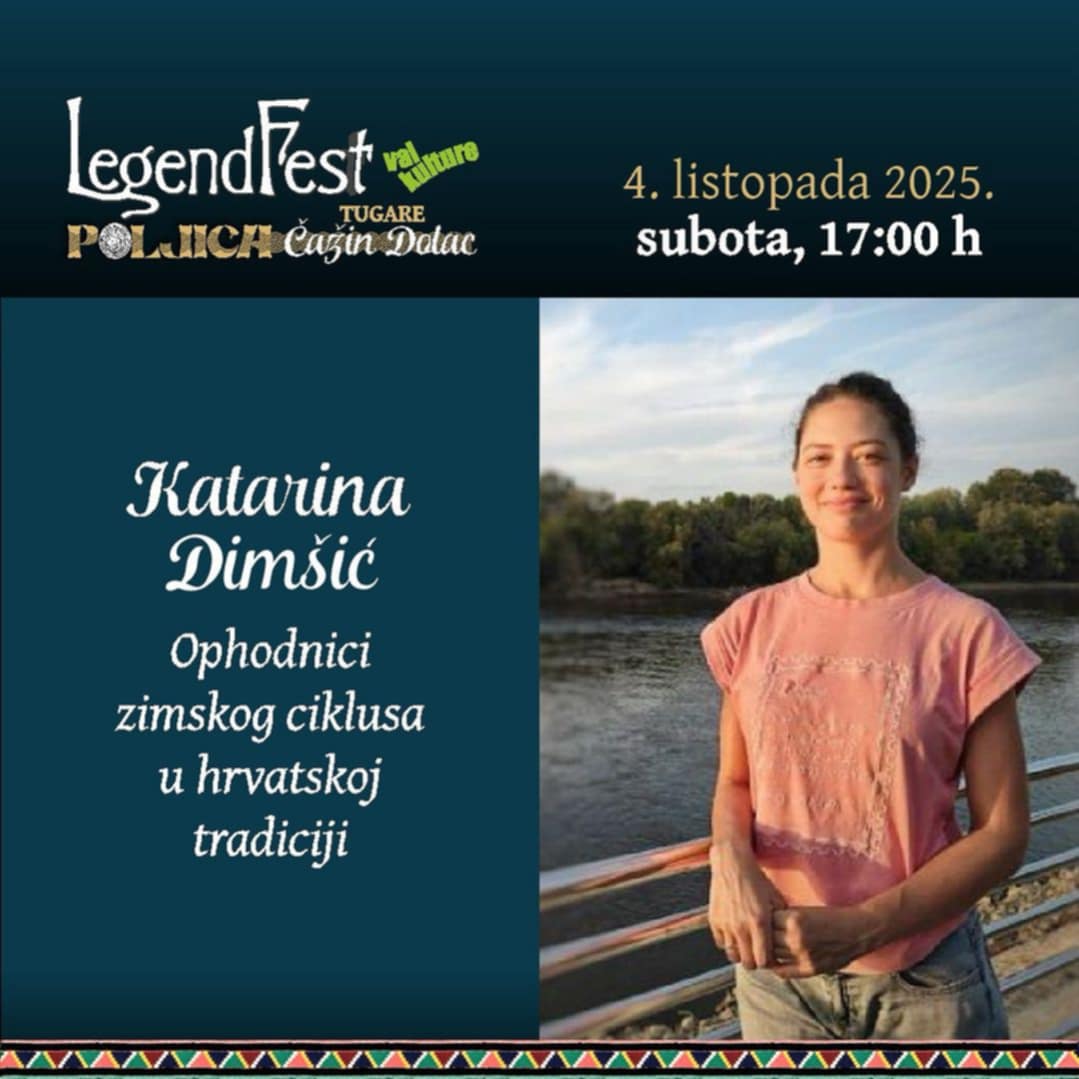
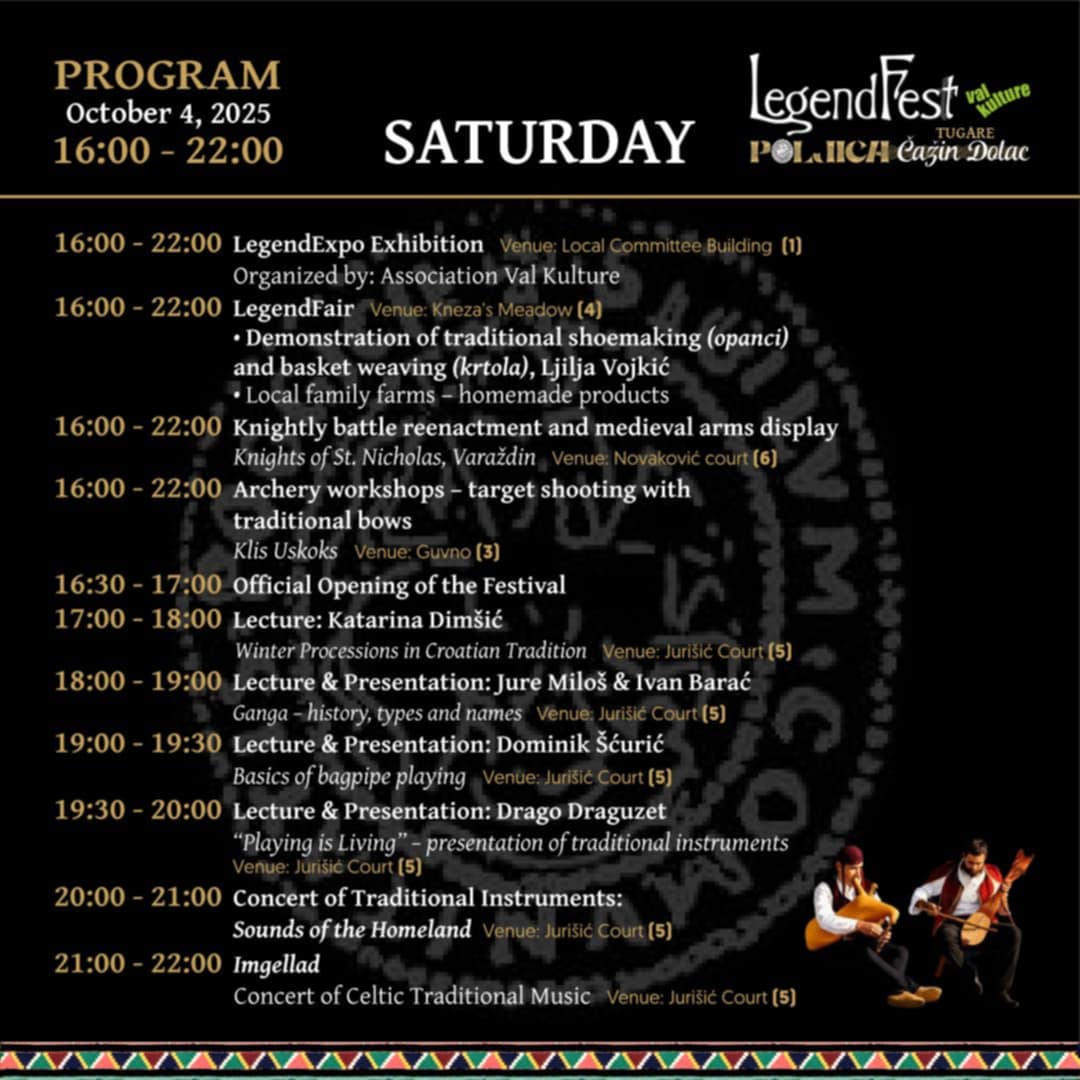
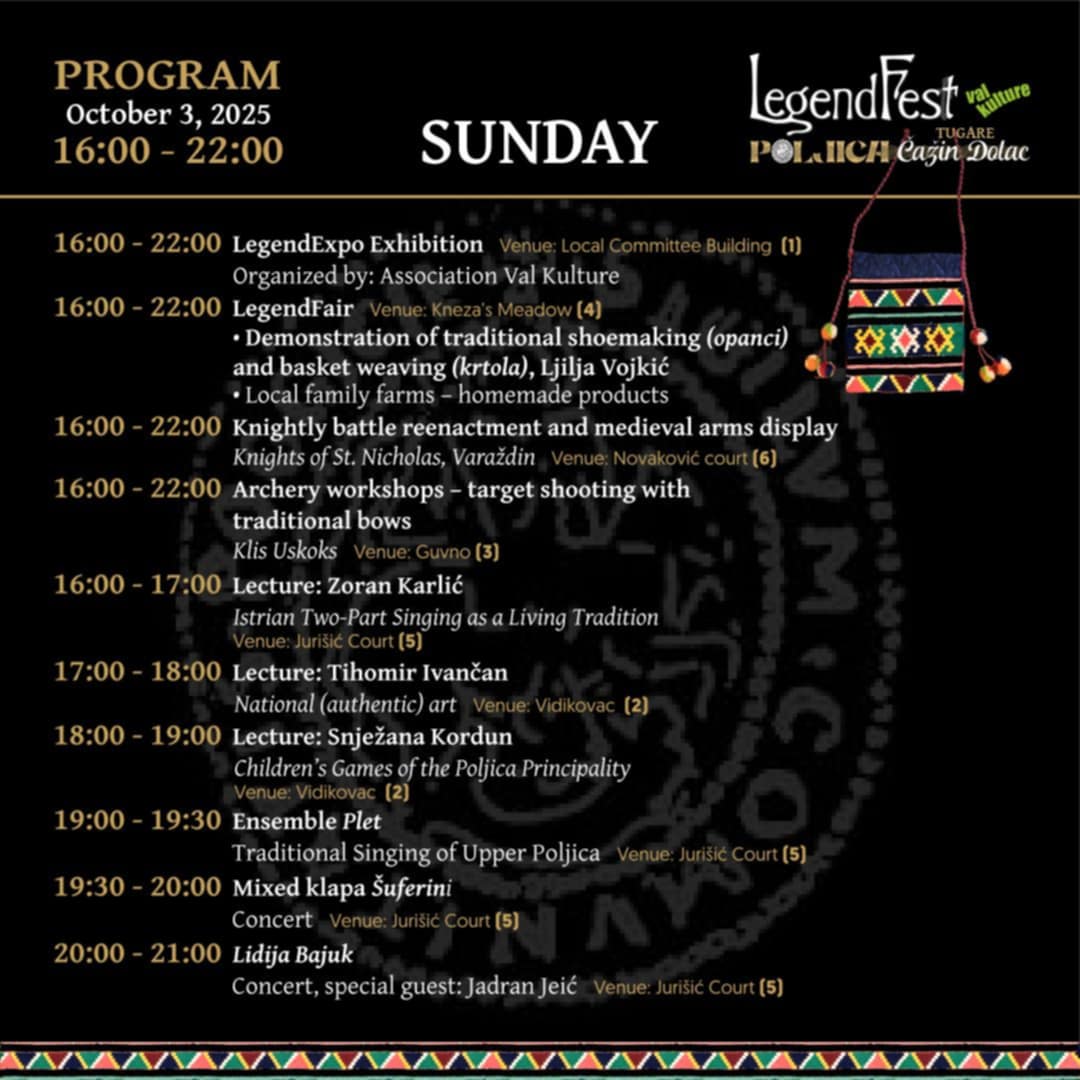
The festival will be held on October 4 and 5 in the eco-ethno village of Čažin Dolac, in the heart of Tugare. The festival offers a rich program of lectures, workshops, concerts, reenactments of knightly duels, archery, concerts of ethno music, and a fair of products of Croatian family farms.
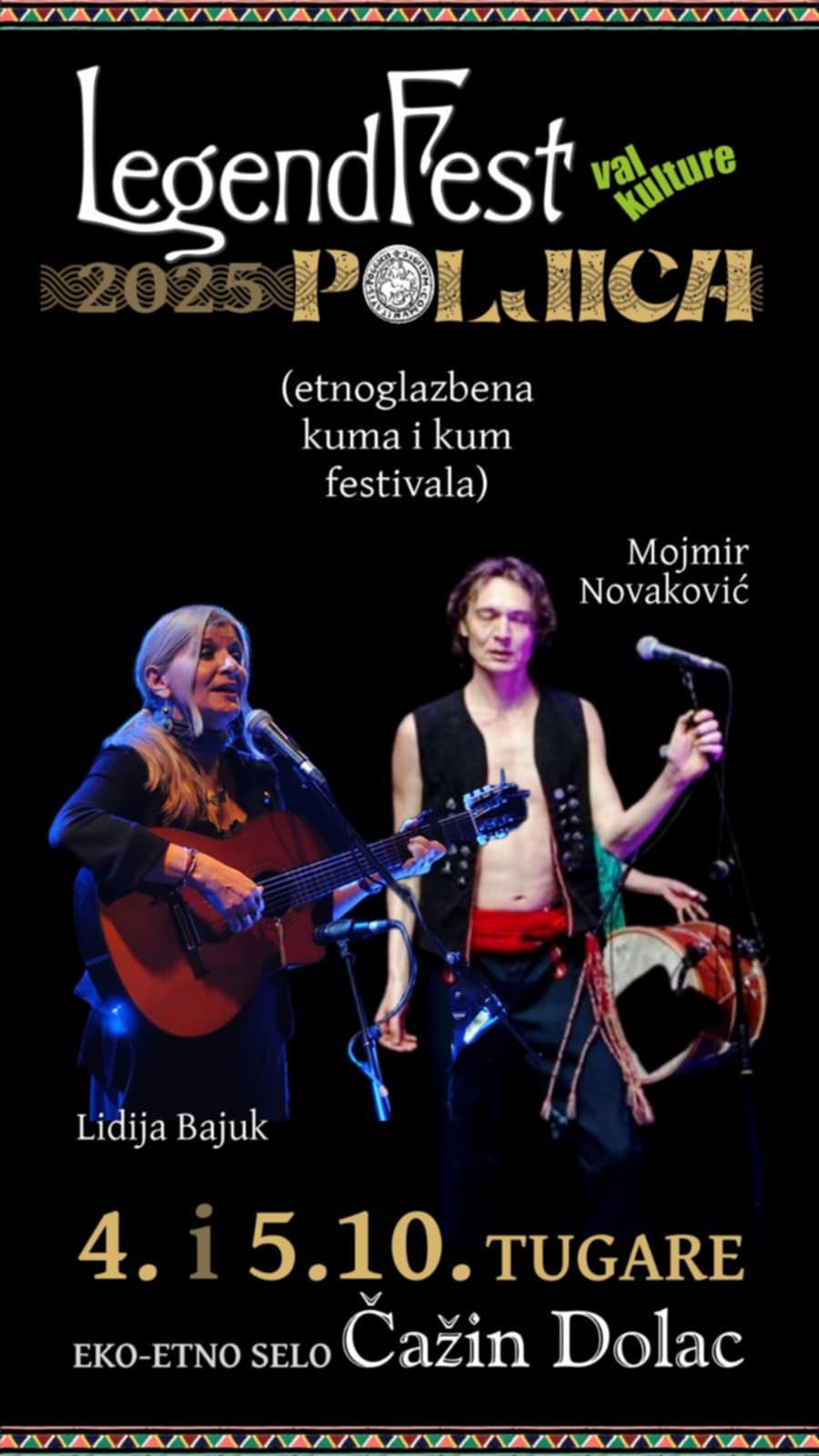
Visitors will be able to discover old crafts and customs, listen to stories about knights, Glagolitic priests, and folk heroes who shaped collective memory, and taste authentic delicacies of Poljica. Special emphasis is placed on traditional Croatian instruments, and the patrons of the festival are musician Mojmir Novaković and singer-songwriter Lidija Bajuk.
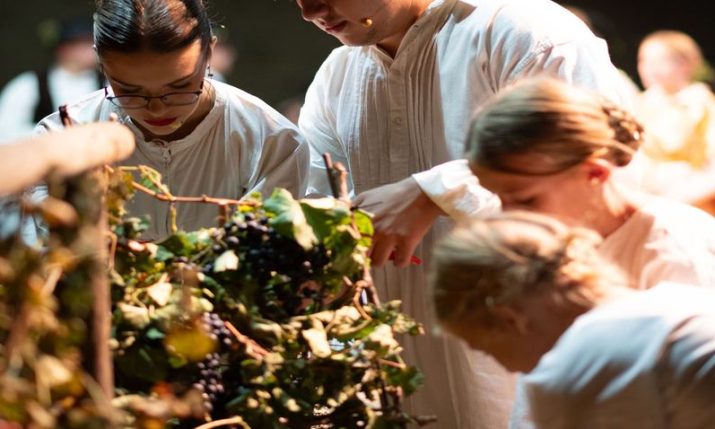
The festival takes place in untouched nature, without stages, far from concrete and city noise, among drywalls and stone houses, with the full experience of the Dalmatian hinterland. The audience is invited to walk, listen, watch, smell, participate, and immerse themselves in the story with all their senses.
Project Initiator
The organizer of the festival is the Zagreb-based association Val kulture, and the originator and program director is Ivor Zidarić, a cultural manager and producer with more than twenty years of experience in the field of art, heritage, and interdisciplinary festivals.
As the founder of LegendFest, Zidarić has developed a recognizable cultural brand that brings together local myths and contemporary artistic expression, with the aim of preserving identity and cultural memory through innovative formats.
His work includes a series of cultural events throughout Croatia, publishing, international cooperation, and active connecting of local communities with the cultural sector.
“Poljica is the ideal place for LegendFest. Everything is here – the mythical landscape, hilltop chapels, tales of fairies, werewolves, and scarecrows, hidden symbolism in stone shapes… Our wish is for this festival to grow into a permanent cultural landmark of Dalmatia, but also for the local community to proudly take part in preserving its own stories,” emphasizes Zidarić.
(Photo: LegendFest Poljica)
(Photo: LegendFest Poljica)
More information about the festival and the program is available on the official website, www.legendfest.hr. For participation in the fair, interested family farms and exhibitors can apply via e-mail at [email protected] or phone at +385 98 202 486.