How a 400-metre tunnel transformed Croatia’s most famous wine region
- by croatiaweek
- in Travel
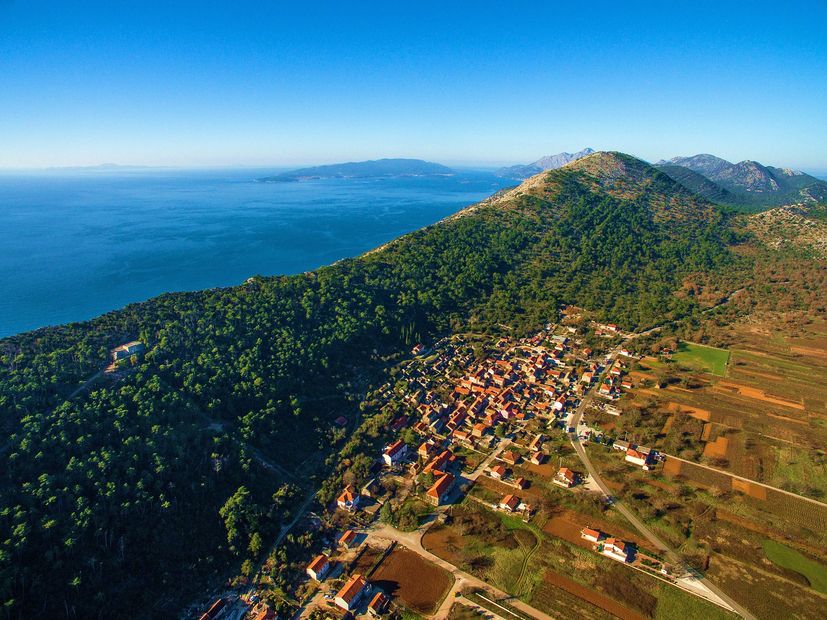
Potomje (Photo: TZ općine Orebić)
Fifty years ago to the day, beneath the shadow of Mount Toma in Potomje, a modest but transformative project was unveiled: the Dingač Tunnel.
Opened on 29 November 1975, this 400-metre passage forever changed life on the Pelješac peninsula, linking its rugged interior with the legendary southern slopes of Dingač.
A breakthrough for winemakers
Before the tunnel, reaching Dingač’s steep vineyards was a gruelling task.
The only route led from Trstenik, and growers were forced to carry grapes along narrow goat paths on the backs of donkeys and mules, a journey that could stretch beyond an hour.
The new tunnel shortened a 20-kilometre detour to just four kilometres, making vineyard work faster, safer and more sustainable.
The idea came from local visionary Vice Miličić. After lengthy debates over whether to build a road or a tunnel, the community opted for the latter.
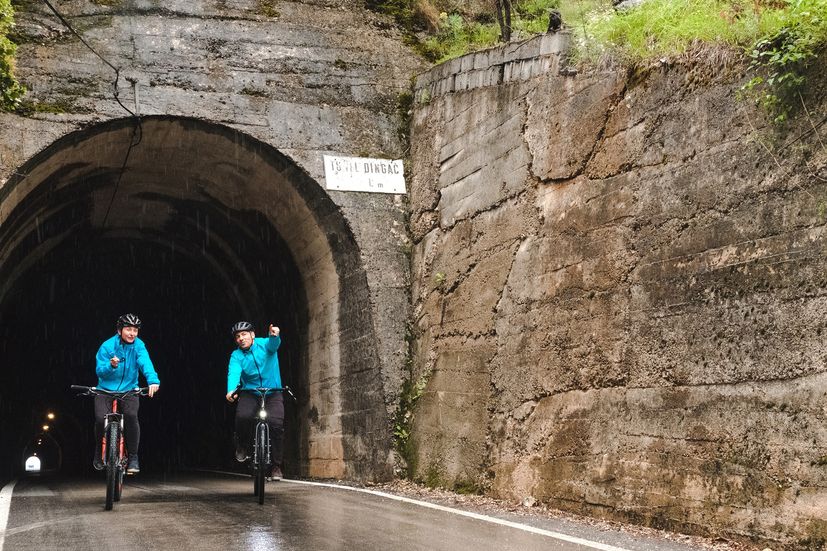
Tunel Dingač (Photo: Ivan Sardi/TZ općine Orebić)
Vineyard owners financed the project through their cooperative, which took on the construction loan. Split-based company Konstruktor carried out the works, with Potomje native Pavle Andričević serving as lead designer.
Nine months later, the tunnel was complete and officially opened by Rudi Jelić, then President of the Assembly of the Municipality of Dubrovnik.
The rise of a world-class wine
Improved access brought rapid growth to Dingač’s vineyards. Production expanded, and the reputation of its powerful Plavac Mali wines strengthened.
Dingač had already earned prestigious recognition in 1964, when the Geneva-based International Office for the Protection of Industrial, Literary and Artistic Property awarded it top-tier protection as a “famous wine”.
Today, the Dingač protected designation of origin covers 758 hectares, with more than 78 hectares under vine.
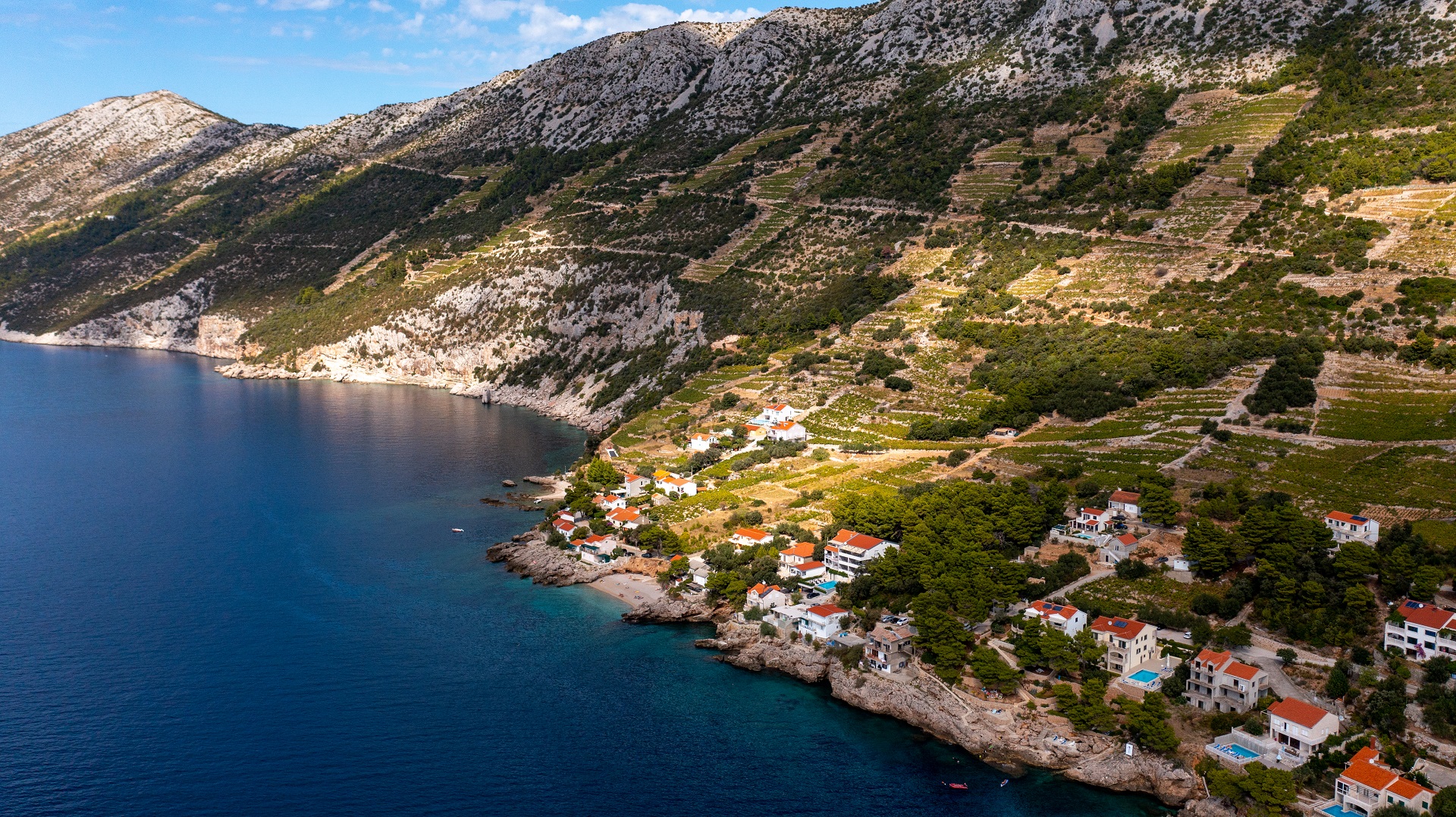
Vinogorje Dingač (Photo: TZ općine Orebić)
The wines are known for their depth and strength, ruby in colour, robust in body and high in alcohol, with rich notes of ripe fruit and a long, warming finish.
A tunnel that became a tourist attraction
Beyond its importance to winegrowers, the Dingač Tunnel has become a curious and much-loved attraction in its own right. Traffic flows one way at a time, prompting drivers to pause and check for oncoming cars before entering.
Cyclists also flock to the area, favouring routes that lead through the tunnel and out onto the dramatic vineyards.
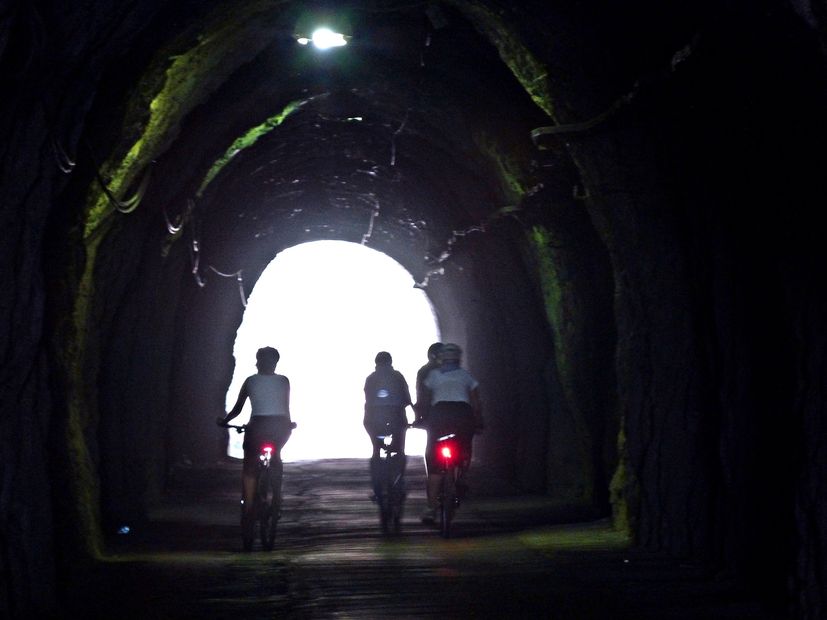
(Photo: TZ općine Orebić)
Winter brings its own spectacle. Temperature inversions occasionally produce delicate icicles – known locally as skandaleti. Potomje, often one of the coldest spots in this part of Dalmatia, is accustomed to such natural quirks.
During heavy rain, water trickles through the karst terrain, adding to the tunnel’s mystique. Thanks to regular maintenance by the Municipality of Orebić, including new lighting and fresh asphalt, the tunnel remains safe and well-kept.
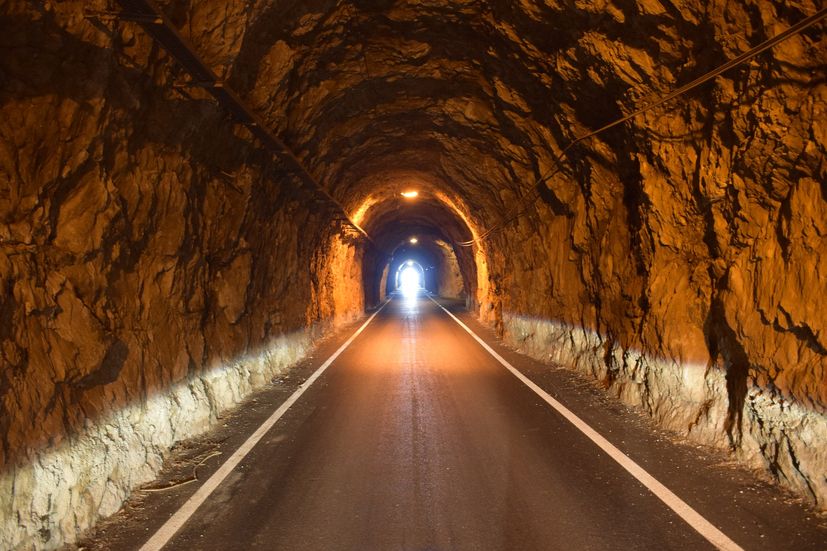
(Photo: TZ općine Orebić)
A gateway to unforgettable vistas
Emerging from the tunnel feels like stepping into another world. In moments, the quiet interior of Pelješac gives way to the dramatic southern slopes of Dingač, where vineyards plunge towards the sea and sweeping views stretch across the horizon to Mljet and Korčula.
It is a panorama that stops every visitor in their tracks.
Below the vineyards lie the small settlements of Borak and Potočine, increasingly popular with travellers seeking authentic Dalmatia, crystal-clear waters and, naturally, a glass of exceptional Dingač.
As the tunnel celebrates its fiftieth anniversary, its legacy is unmistakable, a testament to Pelješac determination and a gateway to one of Croatia’s most treasured wine landscapes.