First case of leprosy in Croatia since 1993 confirmed
- by croatiaweek
- in News
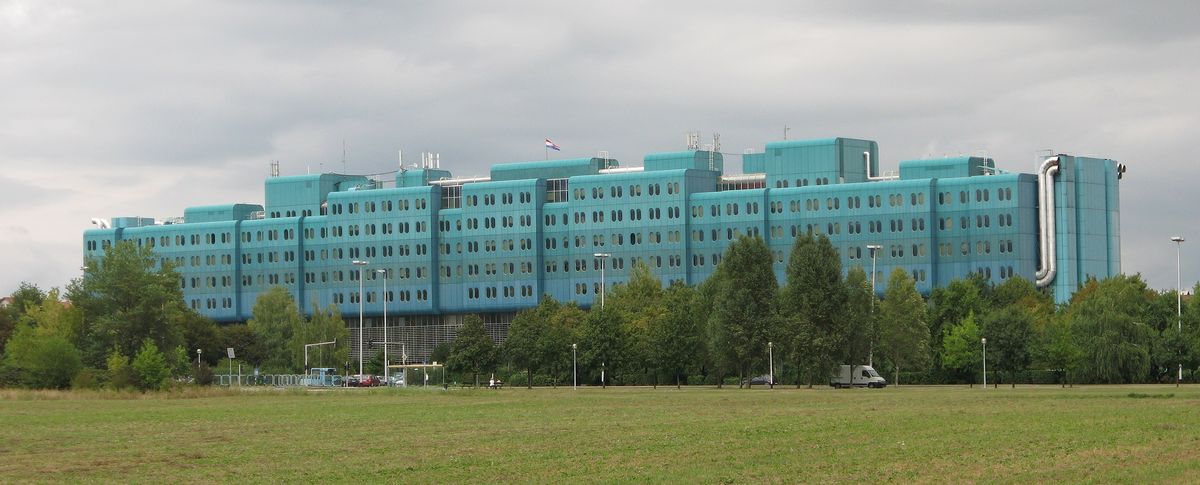
Dubrava Clinical Hospital in Zagreb (Photo: SpeedyGonsales/CC BY-SA 3.0)
A case of leprosy has been recorded in Croatia for the first time in over 30 years.
It is an isolated case of a foreign worker from Nepal who has been living in Croatia for two years with his family.
According to infectious disease specialist Dr. Bruno Baršić from Dubrava Clinical Hospital, there is no danger of the disease spreading among the population, 24sata reported on Sunday.
“To become infected, prolonged and close contact is required, such as living in the same household, sleeping in the same bed and poor living conditions. You certainly cannot catch leprosy from someone on the street,” he said.
Historically, leprosy has been linked to poverty and overcrowded living conditions.
According to Dr Baršić, this is an isolated case rather than an outbreak. “This is not an epidemic. There is no danger of the disease spreading,” he stressed.
The last recorded case of leprosy in Croatia was in 1993, and the country has never experienced a pandemic of the disease.
Today, leprosy, also known as Hansen’s disease, is fully treatable with antibiotics. Although treatment is long-term, it is highly effective.
Problems arise only when the disease is diagnosed very late, which can lead to deformities. Even then, the infection can still be cured.
Dr. Baršić noted that he has encountered leprosy only once in his medical career.
Transmission, he reiterated, requires months of close contact with an untreated patient.
The Croatian Institute of Public Health (HZJZ) confirmed that this is an imported case. The patient immediately began antibiotic therapy, while all close contacts were identified and included in monitoring or preventive treatment.
HZJZ stressed that there is no risk of transmission through everyday social contact, including workplaces, public transport or shops.
Leprosy develops very slowly, with symptoms sometimes appearing years or even decades after infection. This means a person may have been infected outside Croatia long before symptoms emerge. Once treatment begins, infectivity stops quickly, usually within days.
Health authorities also highlighted broader challenges related to foreign workers, including gaps in health screening, vaccination records and language barriers, which can complicate diagnosis and care.
Croatia’s health system, officials concluded, remains fully prepared. With prompt diagnosis, targeted monitoring and effective treatment, rare imported cases like this are controlled medically, without unnecessary public alarm.