Eleven centuries of Croatian glagolitism
- by croatiaweek
- in Entertainment
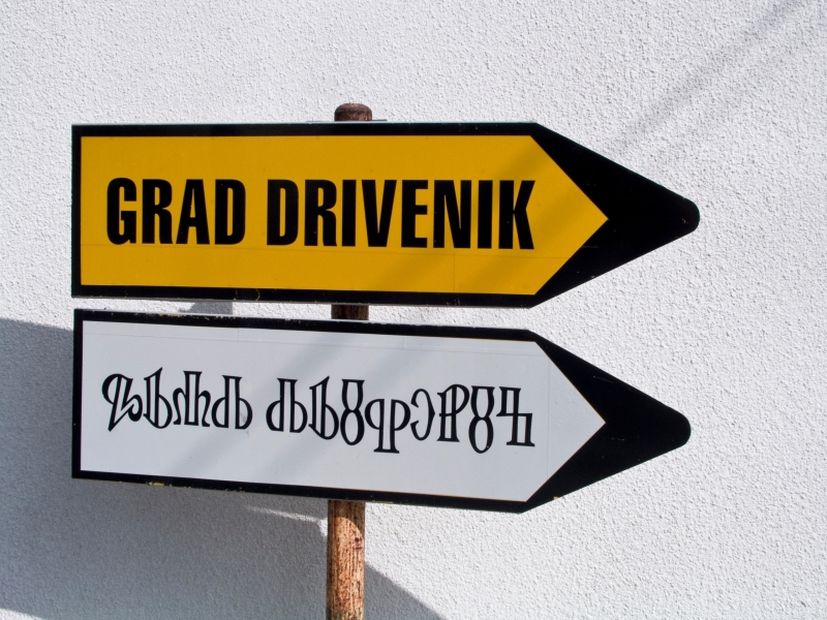
(Photo: Roberta F./CC BY-SA 3.0)
ZAGREB, 9 October 2025 (Hina) – This year marks an extraordinary milestone in Croatian history — 1,100 years since the first recorded mention of Croatian Glagolitic heritage.
To commemorate the occasion, a three-day international scientific conference titled “Eleven Centuries of Croatian Glagolitism (925–2025)” has begun at the Institute of Economics in Zagreb.
Ana Šimić, President of the Organising Committee, highlighted that the earliest confirmed references to Croatian Glagolitism date back to 925, found in letters from Pope John X and in the decrees of the First Church Council of Split.
She emphasised that the Croatian Kingdom and Glagolitism were not competing but complementary phenomena.
“The Kingdom represents the nation’s statehood, while Glagolitism embodies its spiritual and cultural essence,” Šimić explained.
“Together, they form an ideal whole.”
Šimić also reminded that Glagolitism endured long after the fall of the Croatian Kingdom, becoming a cornerstone of Croatian history and identity through its distinctive angular script and the rich culture that evolved from it.
Tanja Kuštović of the Programme Committee echoed this, noting that Glagolitism has been deeply woven into Croatian history and culture from its earliest days to the present.
She added that during the medieval period, three scripts coexisted — Glagolitic, Cyrillic, and Latin — with Glagolitic holding a particularly prominent role, especially in liturgical texts, literature, and sacred music.
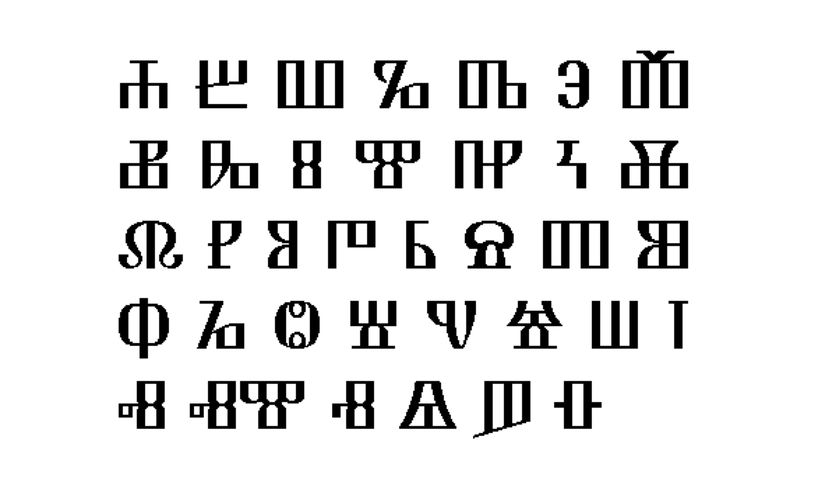
(Photo: Marino Pavletic/Creative Commons)
A Shift in Croatia’s Cultural Landscape
Academician Stjepan Damjanović, in his presentation “Two Croatian Philologists on the Literary and Linguistic Landscape Before and During the Reign of King Tomislav”, described a major cultural transformation in the late 9th century.
He noted that as the dominant Latin cultural sphere began to interact with Slavic linguistic and literary elements, brought by the missionary work of Saints Cyril and Methodius, a unique non-Latin liturgical and linguistic enclave emerged within the Roman Church.
Damjanović explained that this development gave rise to writers and church figures later known as Glagolitic priests, establishing a dynamic duality in Croatian culture — between Latin and Glagolitic traditions.
He credited scholars Eduard Hercigonja and Radoslav Katičić with deepening understanding of these intertwined cultural identities during the era of King Tomislav.
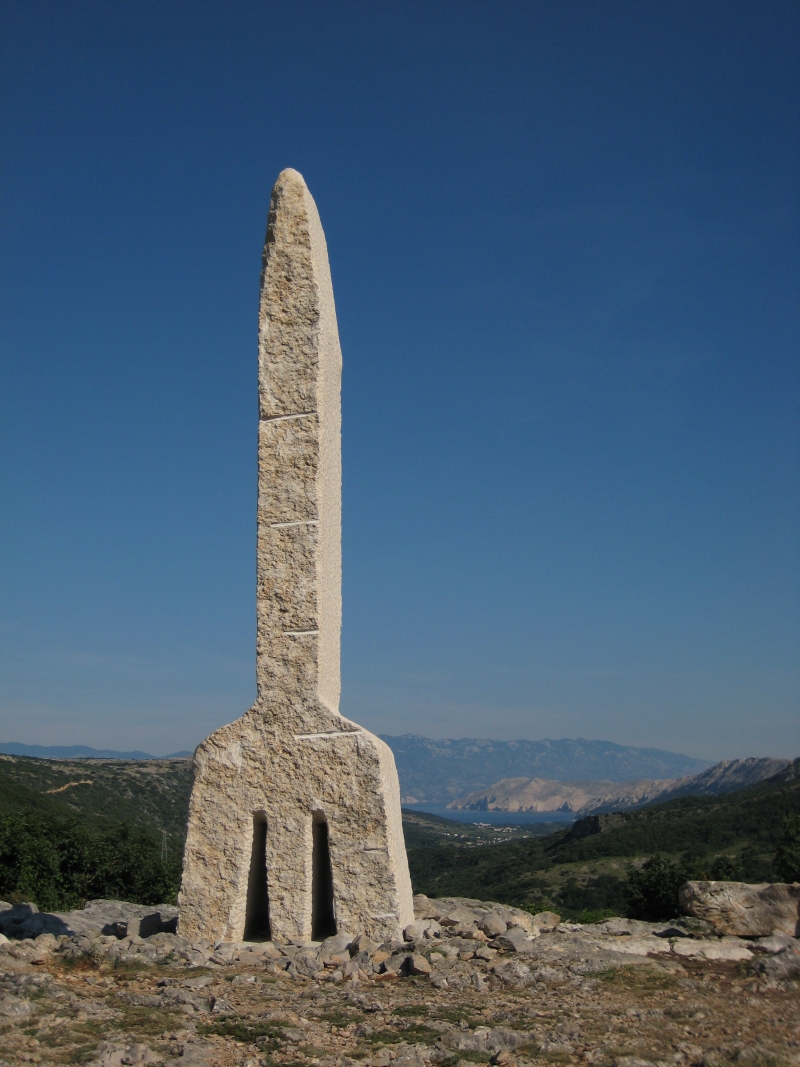
(Photo: Roberta F/CC BY-SA 3.0)
The 650th Anniversary of the Paris Glagolitic Collection
Dr Vesna Badurina Stipčević of the Old Church Slavonic Institute spoke about the Paris Glagolitic Collection of 1375, which also marks its 650th anniversary this year.
She explained that the manuscript, a Liber horarum or Book of Hours, was written for the nuns of St Julian’s Monastery in Šibenik, making it a rare example of a Glagolitic text created for a female audience.
The collection includes liturgical and biblical texts, such as psalms, canticles, and accounts of Christ’s Passion, alongside non-liturgical prayers and apocryphal writings like The Legend of the Twelve Fridays, The Legend of Theophilus, and The Passion of St Margaret.
Badurina Stipčević described the work as a distinctive reflection of Croatia’s medieval Glagolitic heritage, notable for its diversity, purpose, and cross-cultural influences.

Baščanska ploča, the oldest evidence of the glagolitic script. Found on the island of Krk, Croatia (Photo: Neoneo 13/Public domain)
A Legacy that Endures
Italian Slavist Giorgio Ziffer from the University of Udine presented research on the Life of St Cyril, focusing on its close ties to Croatian Glagolitic tradition, which uniquely preserves certain sections absent from Serbian and Russian versions.
Over the three-day conference, 50 speakers will deliver 46 presentations, covering topics from medieval philology to modern preservation.
The programme also includes a round table on the creation of an anthology of Glagolitic texts in English, the presentation of student works on Glagolitic script, and the premiere of a documentary film on the Centre of Excellence for Croatian Glagolitism, which operated under academician Milan Mihaljević at the Old Church Slavonic Institute from 2014 to 2024.
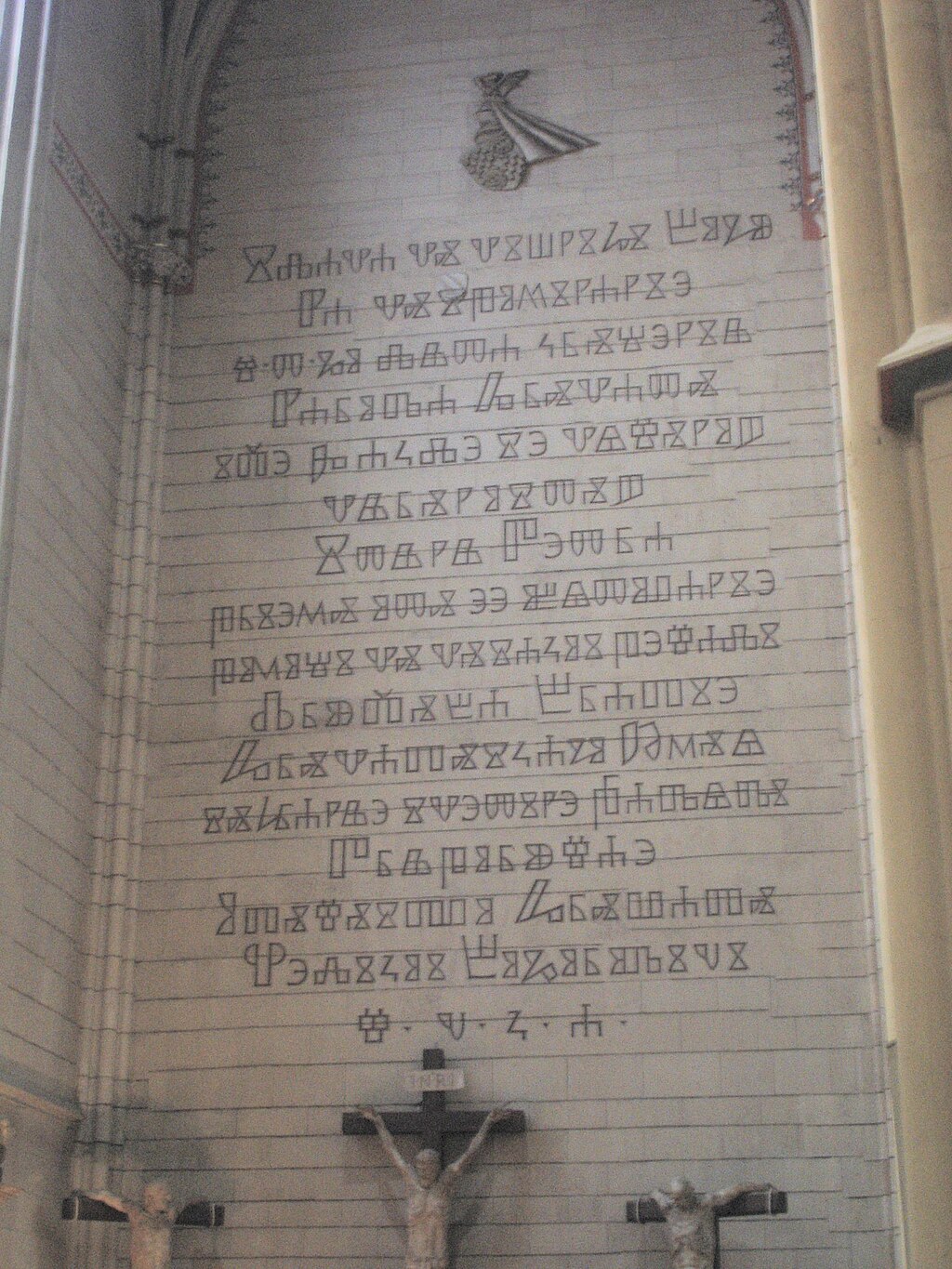
(Photo: Public domain)
An Enduring Pillar of Croatian Identity
As the conference highlights, Croatian Glagolitic culture remains a defining element of the nation’s historical and spiritual identity — an enduring link between its medieval heritage and modern cultural consciousness.
For over a millennium, the Glagolitic script has symbolised Croatia’s unique voice within European civilisation, a legacy that continues to inspire scholarship, art, and national pride.