Croatia’s earliest printed books showcased in new “Incunabula Croatica” monograph
- by croatiaweek
- in News

(Photo: NSK)
ZAGREB, 26 September 2025 (Hina) – A major new work dedicated to Croatia’s earliest printed books has been unveiled in Zagreb.
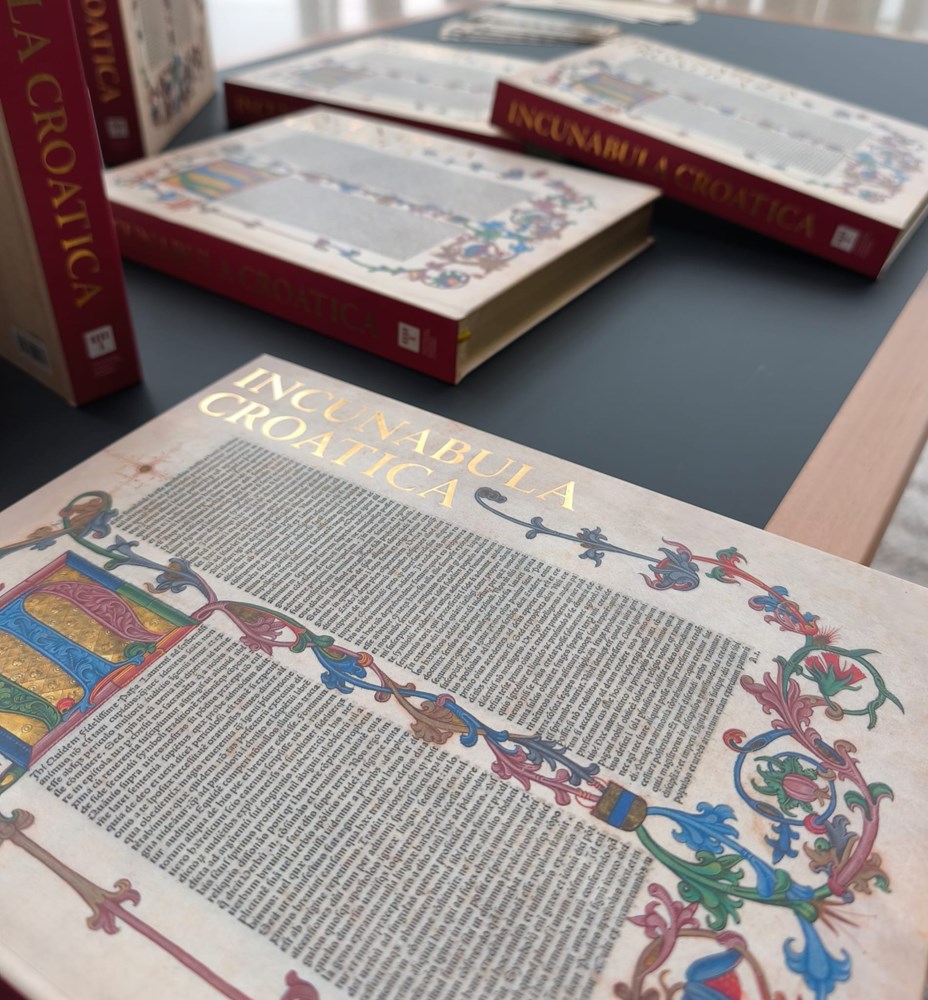
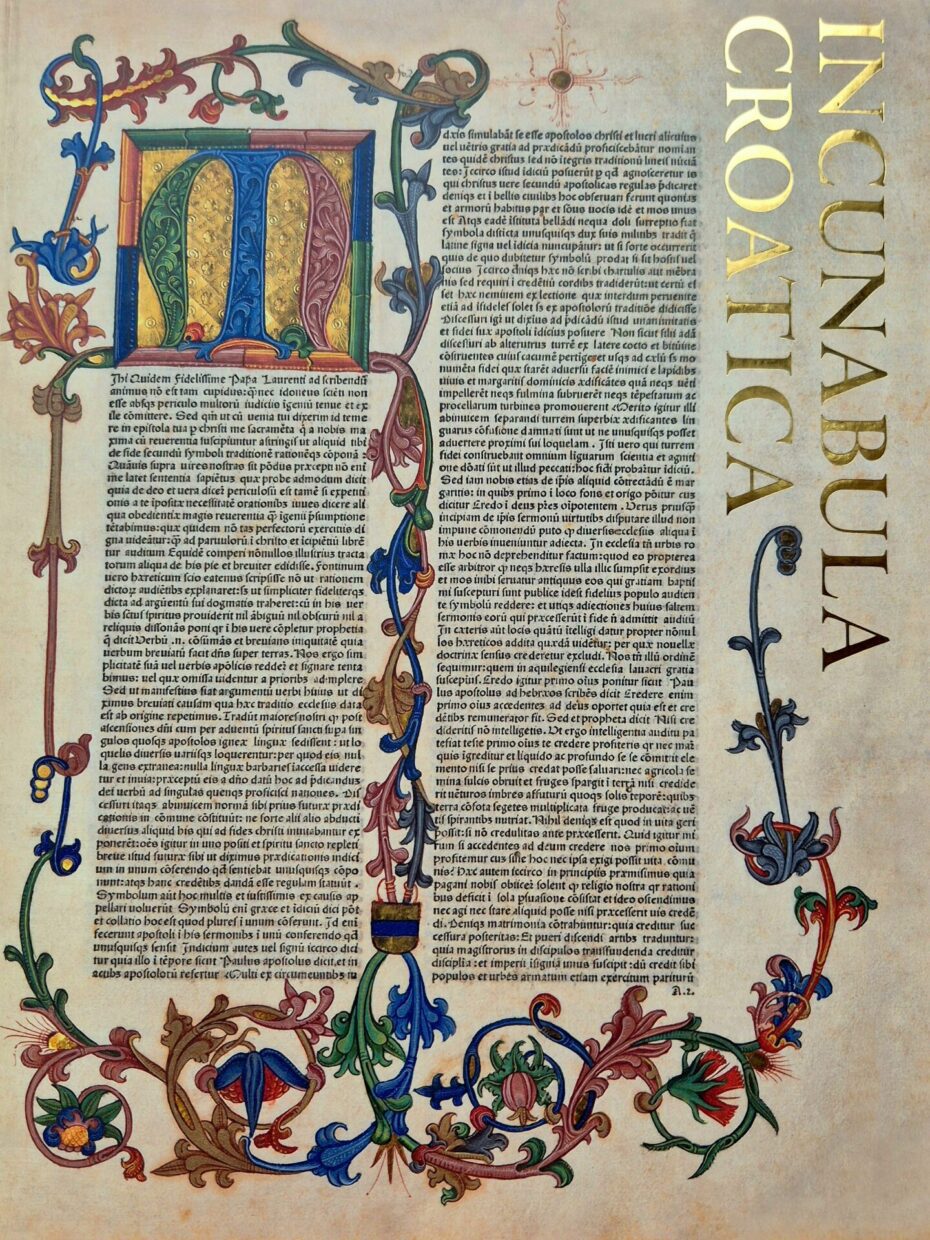
The National and University Library (NSK) this week presented Incunabula Croatica, a richly researched monograph featuring 96 Croatian incunabula preserved in 180 copies across 40 institutions in the country.
Minister of Culture and Media Nina Obuljen Koržinek praised the book as the result of years of meticulous research into Croatia’s oldest printed works.
She described it as a powerful symbol of the nation’s respect for cultural heritage, noting that Croatia was not only present but highly active at a pivotal moment in European history.
The minister highlighted the Missal by the Law of the Roman Court, the first Croatian printed book, published in 1483 — just 28 years after Gutenberg’s Bible.
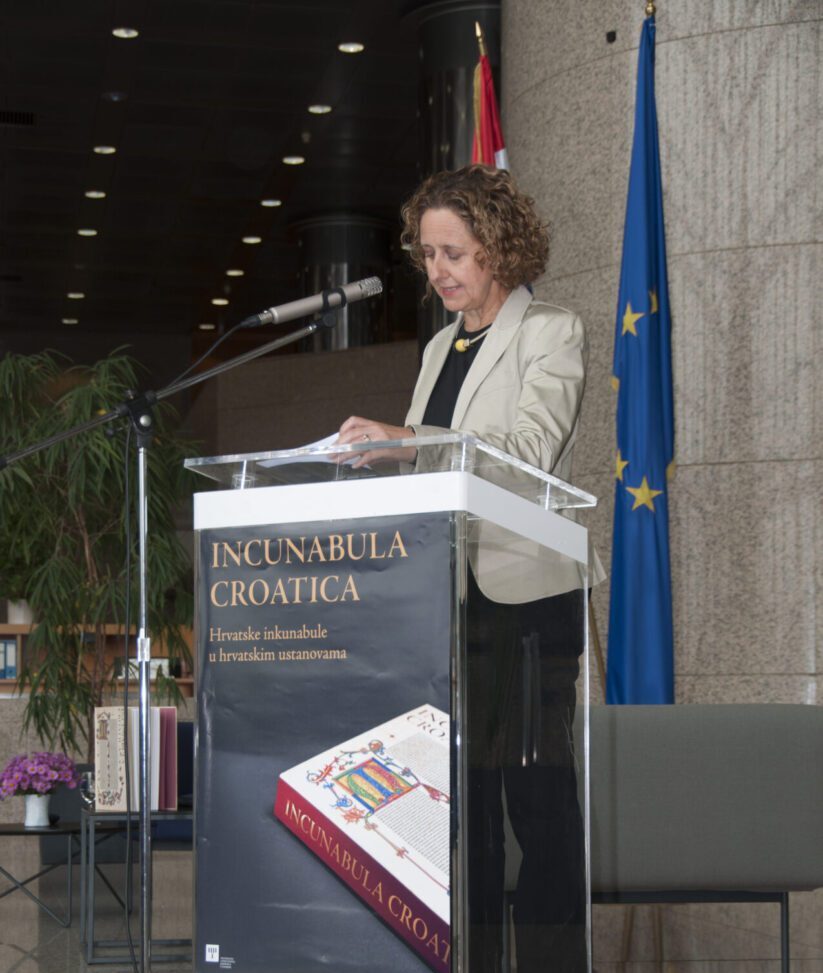
Minister of Culture and Media Nina Obuljen Koržinek (Photo: NSK)
This, she said, firmly placed Croatia on the map of Europe’s printing history.
“The Missal confirms that from the very beginning we shared in the values and achievements of the European cultural community while safeguarding our own language, script and identity,” she added.
(Photo: Ministry Culture and Media)
NSK Director Ivanka Stričević stressed that the publication is only the beginning of a wider story.
With over 1,500 incunabula preserved in Croatia — of which 190 are of Croatian origin — she said there remains much to catalogue and uncover, particularly abroad.
“Incunabula are the symbolic cradle of Croatian written and printed culture,” she noted, adding that the book provides fresh momentum for researchers in the fields of early printing and medieval studies.
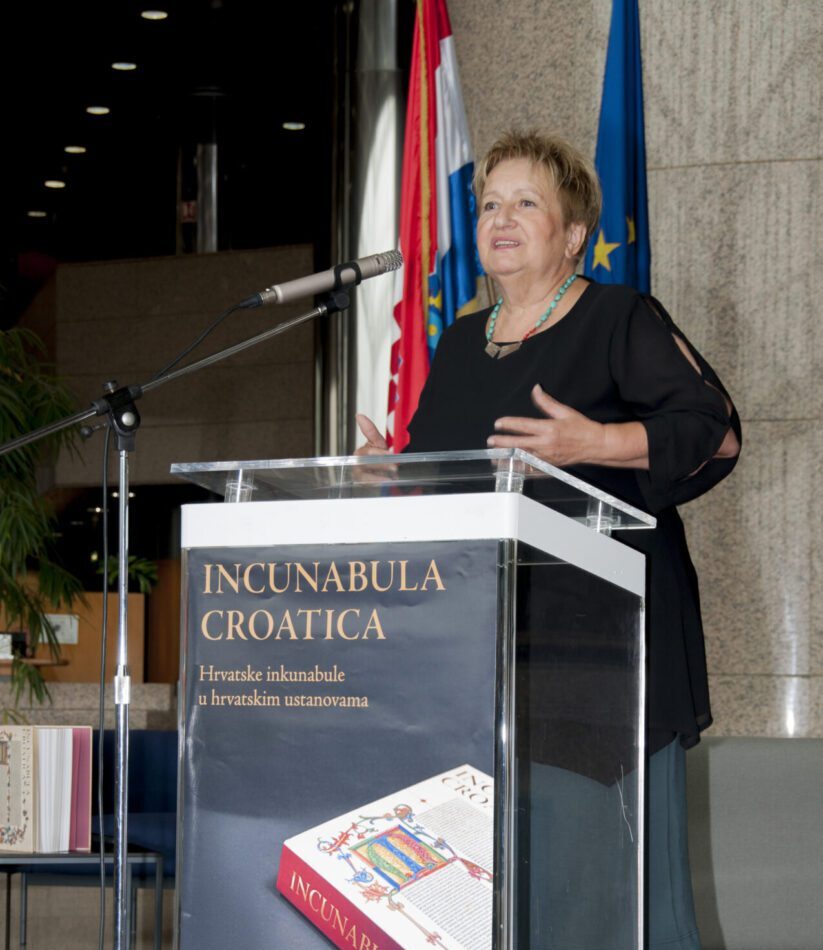
NSK Director Ivanka Stričević (Photo: NSK)
Marijana Tomić, editor of the monograph, explained that Croatian incunabula are defined as those printed on Croatian soil, produced by Croatian authors or typographers, written in Croatian or in the Croatian redaction of Church Slavonic, or involving Croatian translators and editors.
She underlined their importance in showing how Croatian culture was embedded in the broader European intellectual and technological currents of the 15th century.
Among the pioneering figures were printers such as Andrija Paltašić and Dobrica Dobričević, whose works are considered among the finest in Europe.
(Photo: NSK)
Other contributors also stressed the wider significance of incunabula. Academic Mateo Žagar reflected on the symbolic weight of first prints in every culture, calling them the foundation of a new era.
Reviewer Ivana Hebrang Grgić pointed out the importance of bibliographies in safeguarding heritage, while art historian Milan Pelc highlighted how incunabula reveal the visual skills and evolving artistic paradigms of the period.
(Photo: NSK)
Irena Galić Bešker, head of the Manuscripts and Old Books Collection at NSK, described the project as a major publishing achievement, made possible through close cooperation with numerous religious and secular institutions across Croatia.
Incunabula Croatica was published by the National and University Library in Zagreb and represents a significant contribution to the history of the Croatian book, underscoring the country’s early and active role in Europe’s printing revolution.