Croatian Tourism Minister: “Wise pricing needed for 2026″
- by croatiaweek
- in News
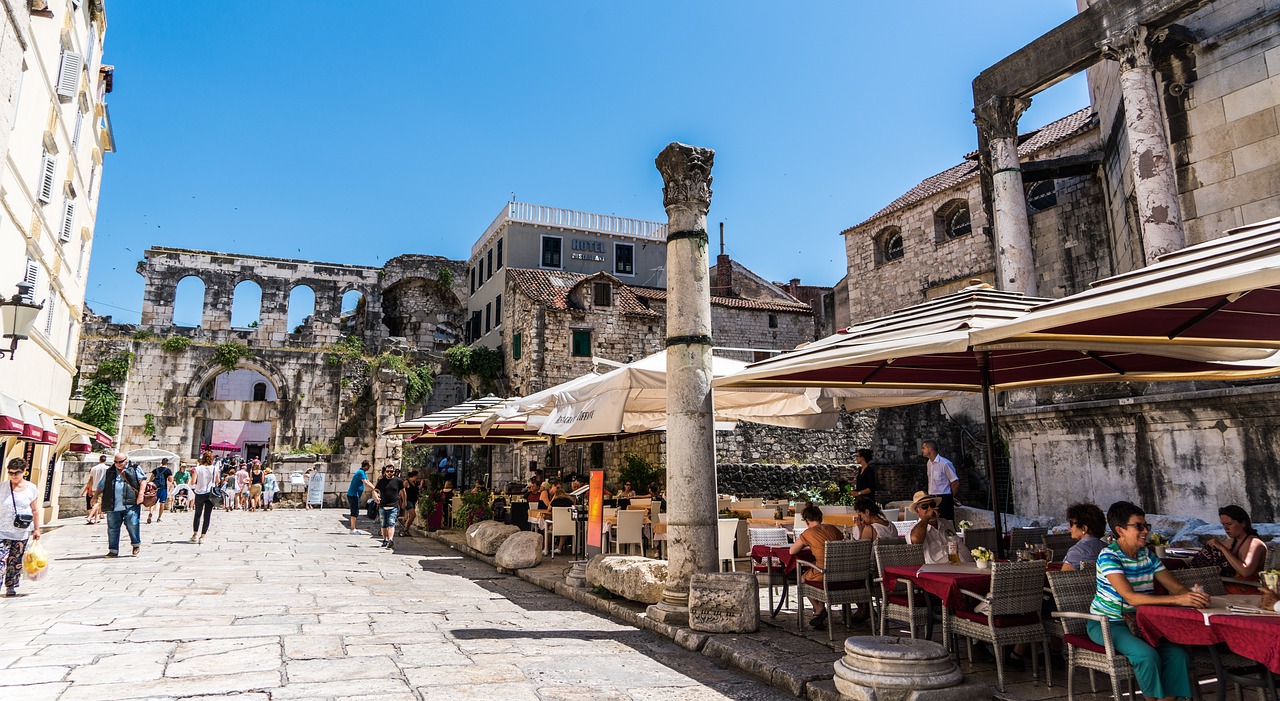
Split
OPATIJA, 1 Oct 2025 (Hina) – Croatia’s tourism sector has continued its upward trajectory this year, with September recording a six percent increase in arrivals and overnight stays compared to last year’s record-breaking figures.
Tourism and Sports Minister Tonči Glavina highlighted the results during the 9th international Tourism 365 conference in Opatija, noting that the growth was not solely driven by the peak summer months but also by strong performance in the pre- and post-season.
“This shows that Croatia is changing. We are creating the conditions for year-round tourism in line with our strategic framework and recent legislative changes,” Glavina said.
Year-round tourism and sustainable growth
According to the Minister, overall arrivals for 2025 are expected to be around two percent higher than last year, with overnight stays up by one percent. He stressed that success should not only be measured by numbers but also by sustainability and balance across the season.
For the first time, growth has not been concentrated in July and August, signalling a reduction in seasonality. “We believe the post-season will confirm that Croatia is truly offering a year-round tourism product,” Glavina added.
The importance of pricing
Looking ahead, the Minister urged the sector to adopt “very clever” pricing strategies for 2026. He noted that this year, for the first time, the main deciding factor for European travellers was price. “We could have achieved better overall results with stronger price competitiveness,” he said, warning that the trend will likely intensify next year.
Continental tourism investment
Glavina also underlined the government’s focus on continental tourism, where investments of around €350 million are being realised. These include new infrastructure supporting health and sports tourism, aimed at driving visits outside the summer season. “Growth in this part of Croatia has been the strongest so far, and it is developing unique experiences that motivate travellers to come year-round,” he explained.
European perspective
Addressing the European dimension, MEP Nikolina Brnjac announced that work is under way on a European strategy for sustainable tourism. She emphasised the importance of balancing tourism growth with community needs and housing affordability, citing Croatia’s new Tourism Act as a good example of how capacity and quality can be managed.
She also highlighted the sharp 18 percent increase in short-term rentals across Europe between 2023 and 2024, an area set to be addressed with new regulations.
Maja Bakran Marcich from the European Commission said the first European strategy for sustainable tourism is expected in spring 2026, focusing on sustainable growth, new technologies, artificial intelligence, education and labour mobility.
Looking to the future
Conference organiser Ivana Kolar said this year’s Tourism 365 would also tackle themes such as the global growth of tourism, the quality of life in destinations, and the role of young people in the industry.
With forecasts suggesting that in the next decade tourism’s share of the global economy will double – making every eighth job linked to the sector – she noted that the challenges and opportunities ahead are vast.
Artificial intelligence is already shaping travel planning, with around 30 percent of tourists using AI tools within the past year.