Croatia to monitor endangered sturgeon
- by croatiaweek
- in News
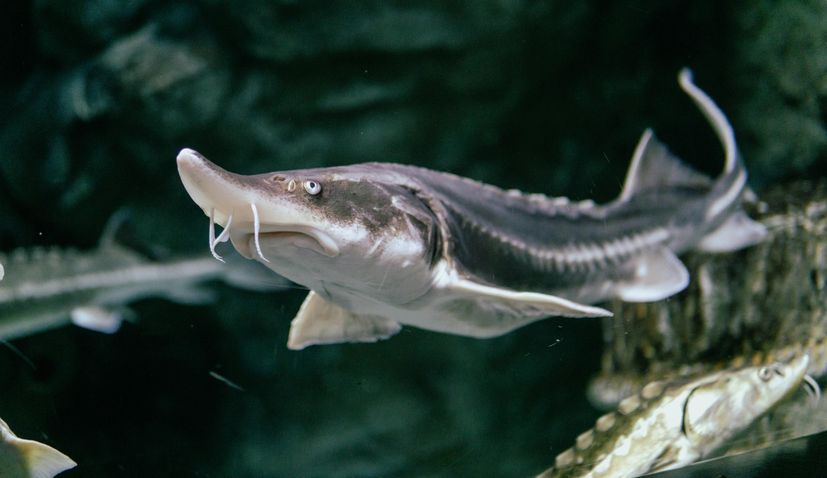
ZAGREB, 20 July (Hina) – Experts from nine European countries, including Croatia, have formed a team to carry out a three-year project aimed at monitoring and protecting sturgeon in the Danube River Basin.
The species, pushed to the brink of extinction due to overfishing and habitat destruction, will be studied and protected under the initiative until 2028.
The €2 million project is being co-funded by the EU’s Interreg Danube Region Programme, which will contribute €1.66 million, the Ministry of Environmental Protection and Green Transition said on Friday.
Sturgeon, often referred to as “living fossils”, have been decimated by overfishing, habitat loss and river fragmentation. Of the six sturgeon species once found in the Danube, two have already been lost, while the others survive only in isolated populations.
“In Croatia, the project will focus on field research on rivers where sturgeon were historically present but have not been recorded for many years, such as the Kupa and the Una. The aim is to assess their current distribution,” said Tanja Mihinjač from the Ministry.
She added that the research would use innovative environmental DNA methods to better plan the protection of these endangered freshwater species.
The cross-border team of experts will implement the project until 2028, and the results will inform an international sturgeon action plan covering four countries along the upper and middle Danube.
According to the Ministry, the goal is to harmonise conservation measures throughout the entire basin.
The project was launched at an initial meeting held on 9–10 July in Bucharest. It is led by Romania’s Ministry of Environment, Water and Forests. Croatia is represented by the Ministry of Environmental Protection, the Hrvatske Vode water management company and the Josip Juraj Strossmayer Water Institute.
Other partners include the University of Natural Resources and Life Sciences in Vienna, Széchenyi István University in Hungary, the Slovak Water Research Institute, the University of Belgrade, WWF Ukraine, Moldova State University, the Romanian Danube Delta Research Institute, the International Commission for the Protection of the Danube River, WWF Central and Eastern Europe, and the WWF offices in Bulgaria and Romania.