Croatia’s electricity system led by renewables for first time
- by croatiaweek
- in News
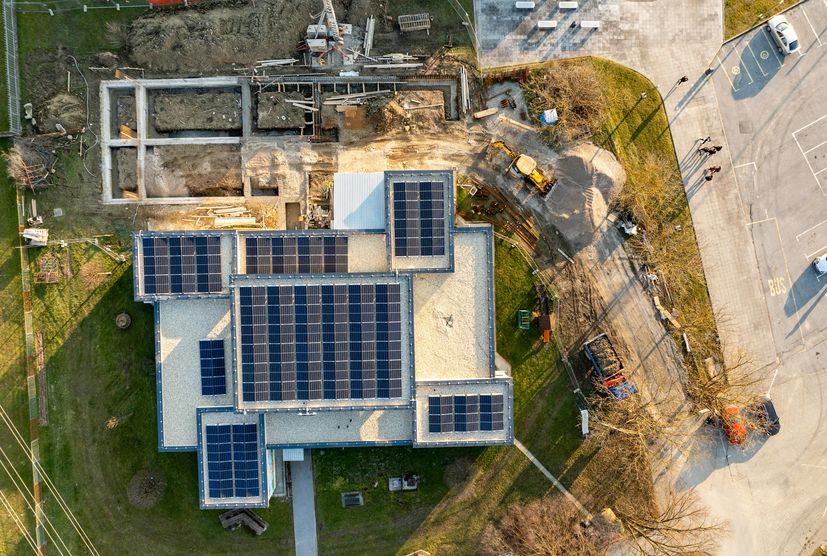
Solar-powered building construction in Garešnica
Croatia recorded a landmark year for renewable energy in 2025, with solar, wind and renewable thermal power sources taking a leading role in the national electricity system for the first time.
According to provisional data from the Renewable Energy Sources of Croatia association (OIEH), solar power plants, wind farms and biomass and biogas facilities together generated more than 5 terawatt hours (TWh) of electricity, HRT reported.
This accounted for 26.6 per cent of Croatia’s total electricity consumption, surpassing every other individual generation technology.
When hydropower is included, renewable energy sources supplied 52.6 per cent of all electricity consumed in Croatia during 2025, confirming renewables as the backbone of the country’s power system.
Total electricity consumption reached 19,326 gigawatt hours (GWh), exceeding 19 TWh for the first time. Consumption rose by 1.01 per cent compared to 2024, marking the third consecutive year of growth.
The increase has largely been matched by new renewable capacity, indicating that most new projects are currently meeting rising demand rather than replacing fossil fuel generation.
“Renewables are no longer an addition to the system – they are its foundation,” said OIEH Director Maja Pokrovac. She added that continued consumption growth and reliance on imports highlight the need for faster development of new capacity and further grid modernisation.
Hydropower remained the single largest generation technology, producing 5,022 GWh, or 26 per cent of total consumption.
However, output fell by 18.4 per cent year-on-year due to unfavourable hydrological conditions, underlining the growing impact of climate variability.
In contrast, wind, solar, biomass and biogas together generated a record 5,142 GWh, overtaking hydropower on an annual basis for the first time. Despite this historic achievement, Croatia still imported 3,137 GWh of electricity, or 16.2 per cent of consumption, mainly from Hungary and Bosnia and Herzegovina. Imports were recorded in ten out of twelve months.
Wind and solar production showed strong seasonal complementarity. Wind power enabled electricity exports during several days in December, while solar output surged during summer months when wind and hydropower were weaker.
Two new wind farms became operational in 2025, bringing total installed wind capacity to 1,277 megawatts (MW) at the start of 2026.
Solar energy saw the fastest growth of all technologies, with 417 MW of new capacity added in one year. Solar plants generated 1,127 GWh, nearly double the previous year’s output.
Looking ahead to 2026, solar capacity could overtake wind, but progress will depend on resolving regulatory barriers. Around 3.5 gigawatts of renewable and battery storage projects remain stalled due to unresolved grid connection fees.