Croatia one of the fastest-growing countries for investment in Europe
- by croatiaweek
- in Business
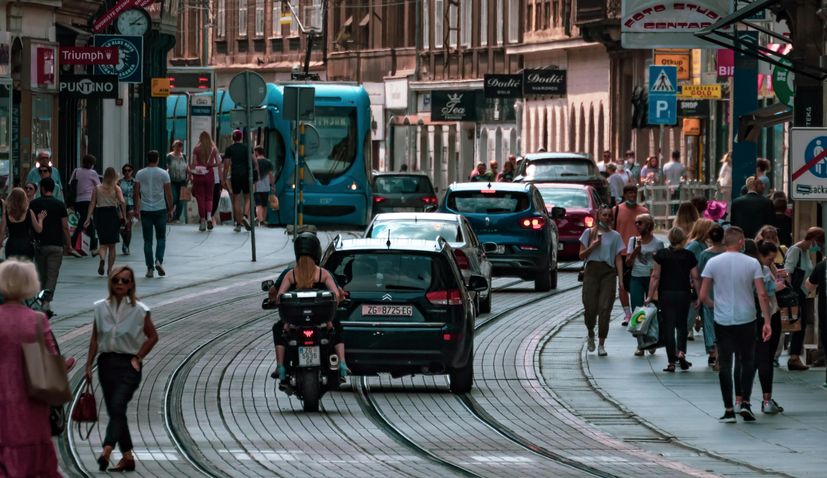
Zagreb
Foreign direct investment worldwide fell by 11% last year, with Europe recording a 5% decline – its weakest result in nearly a decade.
Germany and France saw particularly sharp drops, with foreign investment down 17% and 14% respectively. Analysts point to sluggish economic growth, high energy costs and geopolitical tensions as key reasons for the cooling of investment plans across the continent.
Croatia, however, is bucking the trend. The country has so far avoided a downturn in foreign investment, with inflows reaching almost €54 billion in total, HRT reports.
Last year alone, €4.3 billion was invested in the domestic economy – a 40% increase, making Croatia one of the fastest-growing destinations for investment in the region. Much of this growth is being driven by green and sustainable projects.
One of the most notable developments is the strategic partnership between Croatian company Končar and Siemens Energy, which has led to an €80 million investment. At the end of October, a modern factory for transformer boilers will open in Sesvetski Kraljevec.
Meanwhile, British fund ANCALA, owner of one of the largest biomass power plants in Grubišno Polje, is preparing for new acquisitions.
“We are investing in some small solar projects and looking at acquiring additional biomass plants. The more plants you have, the lower the costs. We are already in negotiations with some owners and hope for a positive outcome,” explained Laurent Sessa, director of the Grubišno Polje plant.
The construction sector is also booming. Over the past few years, the volume of public and private works has grown by 33%.
“We are working on major infrastructure projects, particularly in Dalmatia, and our order book remains stable thanks to steady investment, especially from the public sector, which benefits from European funds. We expect the upward trend to continue for the next two years,” said Sven Muller, head of Strabag Croatia.
While green and digital transition projects continue to attract strong interest, the defence sector is also emerging as a major draw for investors.
“At EU level, significant investments are being channelled into the defence industry. Some analyses suggest between €600 and €800 billion will go into defence production. Croatia is included in this, and major investments in infrastructure are expected.
Across Europe, manufacturers are rapidly increasing capacity,” noted Goran Basarac, CEO of the state-owned defence agency Alan.
Croatia aims to position itself as a regional leader in innovation within the sector. A production cluster has already brought together 86 interested companies.
“We have the potential and production capacity to support the Croatian Army, the Czech Army and our NATO allies. We are also pleased to see a well-known Czech investor active in Đuro Đaković,” said Czech Ambassador to Croatia, Milan Hovorka.
Croatia’s economic momentum is not only driven by EU funds but also by a wave of foreign capital, particularly from Austria, Luxembourg and Germany. After years of stagnation, international investors are once again turning to Croatia – and in growing numbers.