Centuries-old Lastovo Poklad tradition gets UNESCO protection
- by croatiaweek
- in News
(Photo credit: Marko Lorenzo Blaslov)
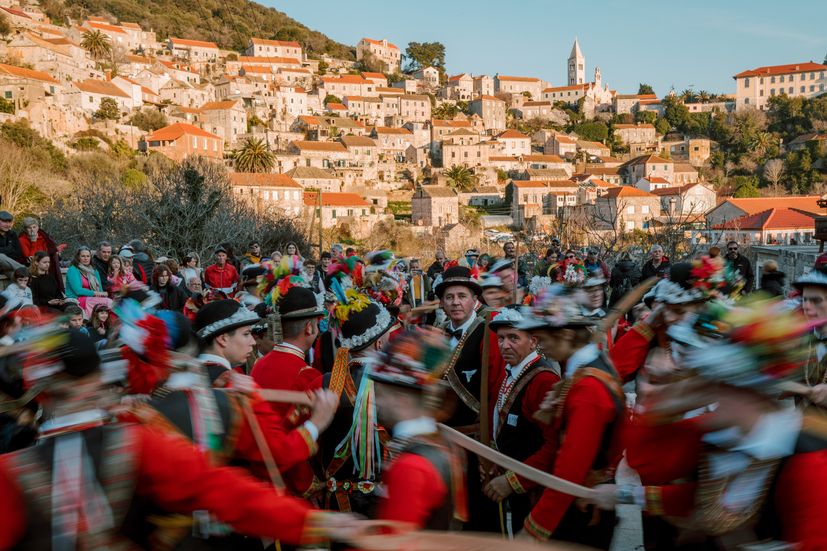
ZAGREB, 12 Dec (Hina) – The Lastovo Poklad carnival, a unique traditional custom from the southern Croatian Adriatic island of Lastovo, has been inscribed on UNESCO’s Register of Good Safeguarding Practices for the protection of intangible cultural heritage, the Ministry of Culture and Media said on Thursday.
Croatia’s nomination was positively assessed at the 20th session of UNESCO’s Intergovernmental Committee for the Safeguarding of the Intangible Cultural Heritage, held from 8 to 13 December in New Delhi, India.
Minister of Culture and Media Nina Obuljen Koržinek expressed her thanks in a recorded video message to the UNESCO Secretariat and members of the Committee for recognising the value of the Lastovo Poklad as an important and unique tradition cherished by the people of Lastovo for centuries.
She noted that this is Croatia’s third nomination on the Register, adding that Croatia is also working intensively to promote international understanding, cooperation and cultural diversity through multinational nominations, of which there are currently six.
The Lastovo Poklad was inscribed in Croatia’s Register of Cultural Goods in 2008 on the initiative of the local authorities and with the support of experts and the Institute of Ethnology and Folklore Research.
The oldest preserved descriptions of the Lastovo Poklad are found in a manuscript by Baltazar Bogišić in Cavtat, containing two accounts by Luka Zore and Melko Lucijanović from 1877.
(Photo credit: Marko Lorenzo Blaslov)
According to oral tradition, its origins are linked to the Dalmatian islands at the end of the 15th century.
The carnival period begins on the feast of St. Anthony, or St. Antonet, as they say locally, or, if agreed by the Poklad Society, earlier, from Epiphany, and lasts until Ash Wednesday.
The entire community takes part in the procession, led by a group of carnival participants who organise various events.
(Photo credit: Marko Lorenzo Blaslov)
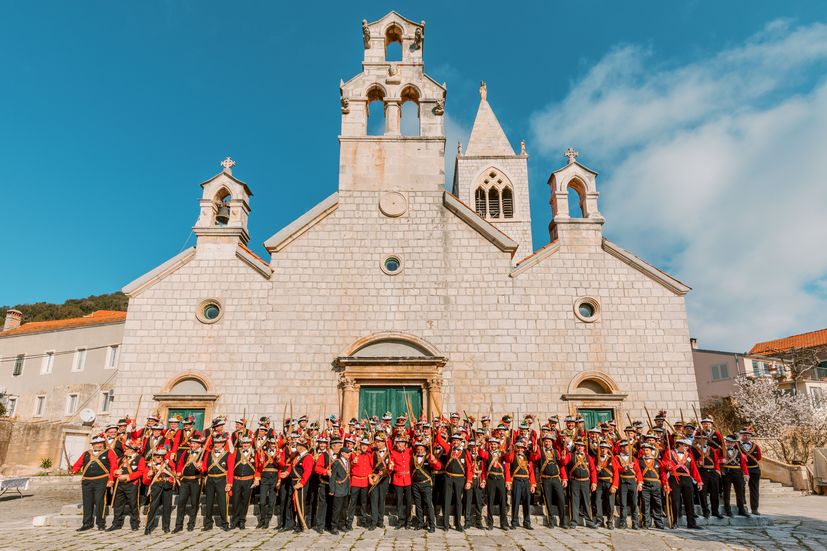
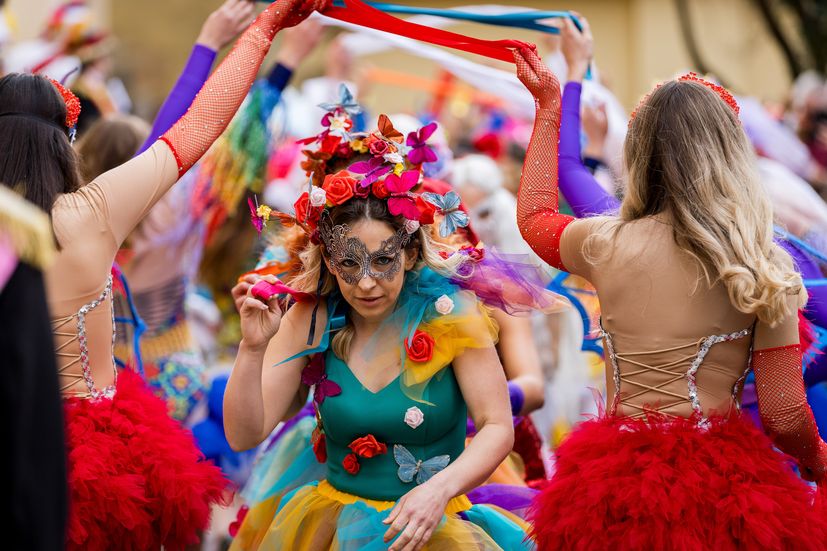
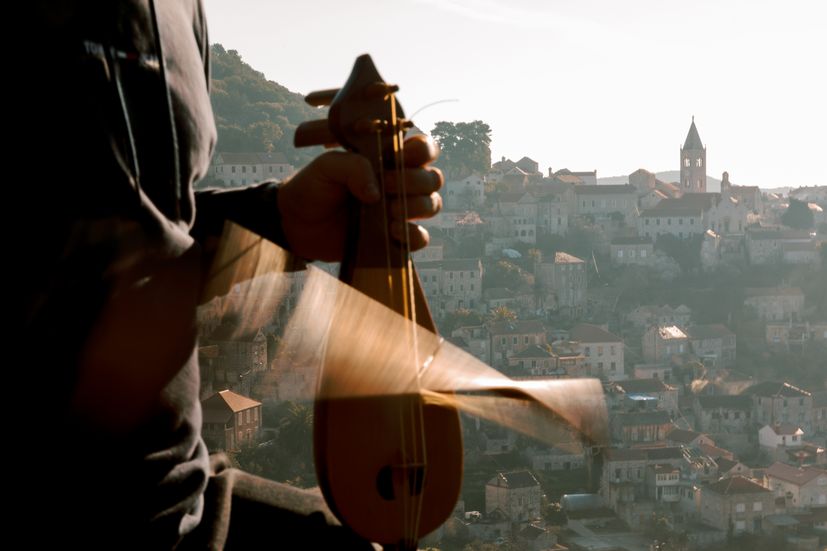
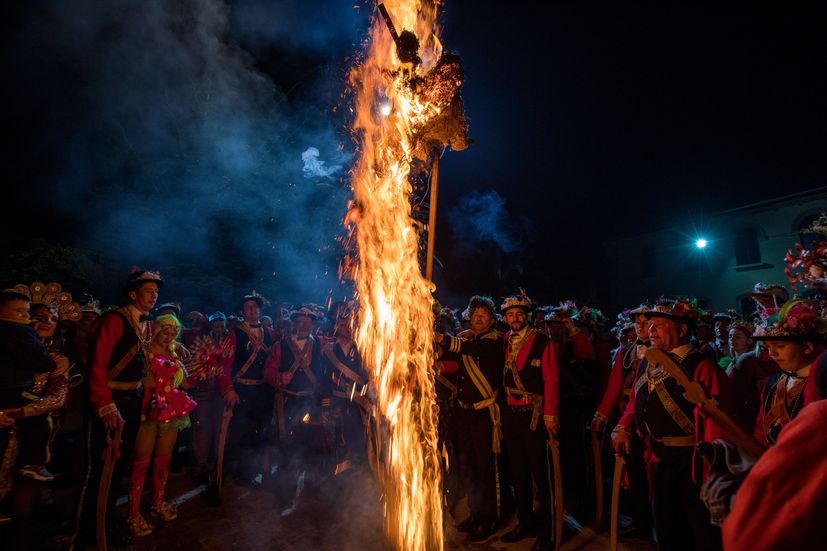
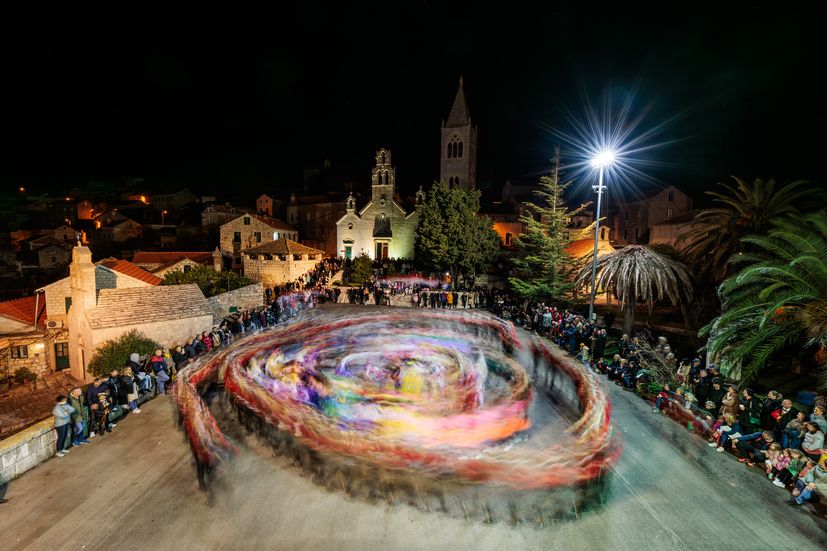
In addition to the uniformed carnival group carrying sabres, the procession includes “beautiful masks”, who visit households to perform the carnival circle dance accompanied by the lijerica, a traditional three-stringed instrument.
(Photo credit: Marko Lorenzo Blaslov)
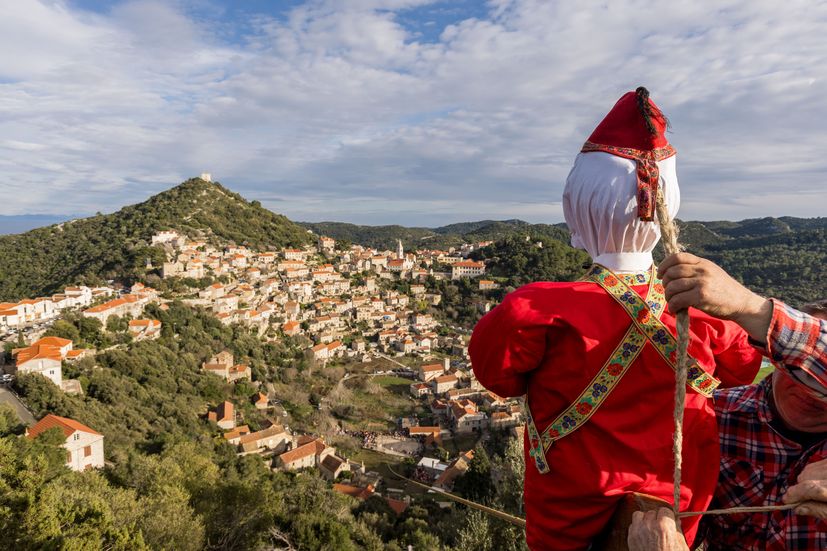
The procession is led by a crew member with a donkey carrying a straw effigy on its back.
(Photo credit: Marko Lorenzo Blaslov)
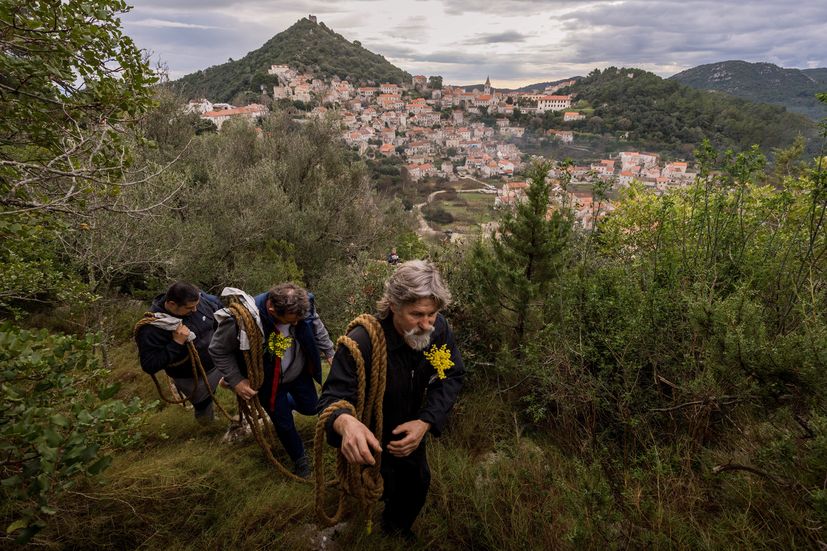
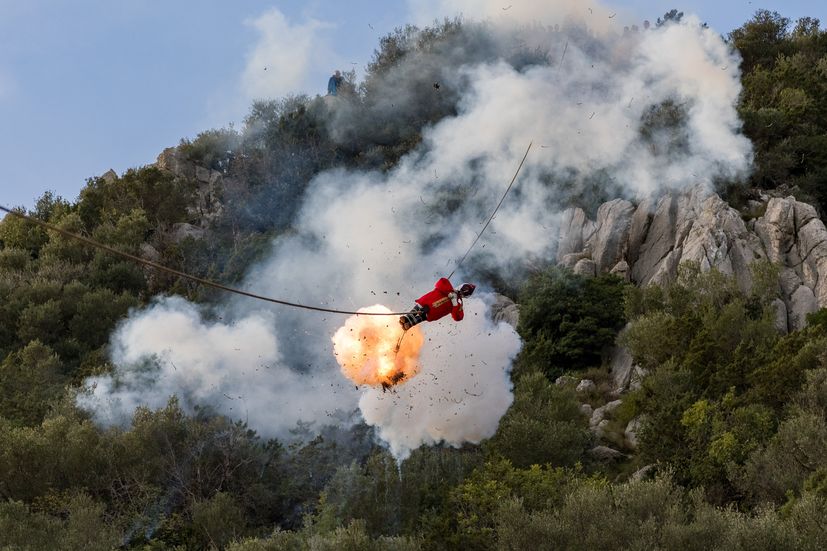
This effigy, called the Poklad, is lowered three times on a rope from the highest point to the bottom of the village, accompanied by sound effects.
(Photo credit: Marko Lorenzo Blaslov)
The climax of the carnival is the burning of the Poklad.
(Photo credit: Marko Lorenzo Blaslov)
(Photo credit: Marko Lorenzo Blaslov)
Seeking to preserve the Lastovo Poklad as faithfully as possible from future changes, the Poklad Society drafted the Statute of the Lastovo Poklad and the Decision on the Lastovo Poklad in 1999, setting out a detailed chronological description of the sequence of events during the carnival and laying down the rules to be observed.
(Photo credit: Marko Lorenzo Blaslov)
This is the 33rd Croatian cultural asset inscribed on one of UNESCO’s lists.

(Photo credit: Marko Lorenzo Blaslov)
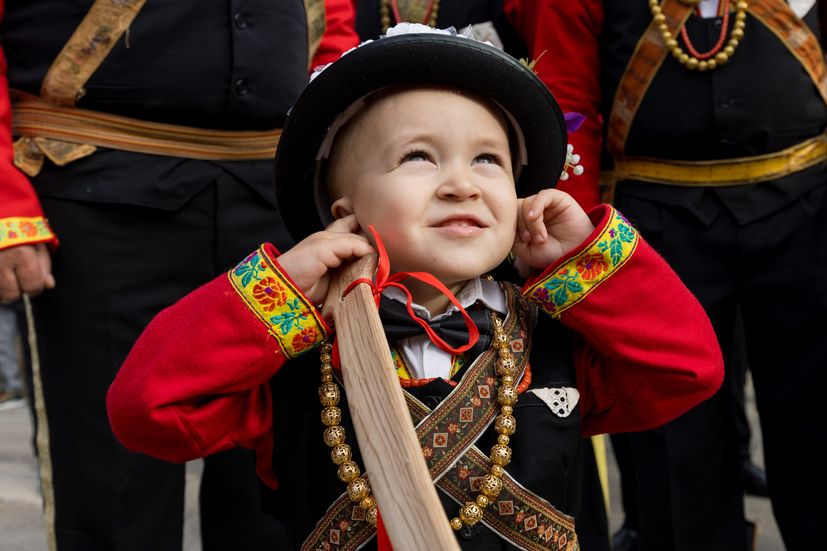
(Photo credit: Marko Lorenzo Blaslov)
Ten immovable cultural properties are listed on the World Heritage List, nineteen elements of intangible cultural heritage on the Representative List of the Intangible Cultural Heritage of Humanity, and one element on the List of Intangible Cultural Heritage in Need of Urgent Safeguarding.