
biokovo unesco
- by croatiaweek
- in
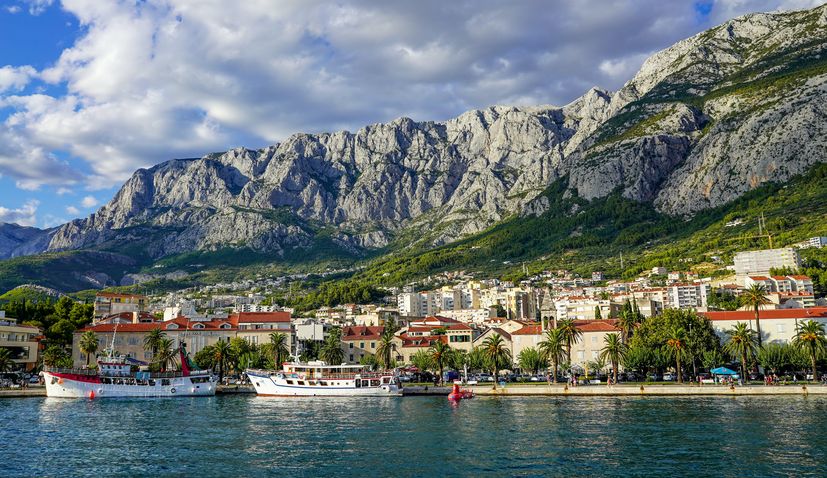
The Biokovo-Imotski Lakes Geopark is a remarkable region filled with a rich cultural, historical, and natural heritage. It boasts a wide variety of habitats, plant and animal species, and an impressive array of geological formations formed over different periods of Earth’s history.
One of its notable features is the Blue Lake, which has an elliptical shape and depths ranging from 300 to 500 meters. The water level in this lake fluctuates annually, sometimes reaching depths of up to 100 meters. Situated on the outskirts of the historic town of Imotski, the Blue Lake is a popular destination for swimming and a favorite gathering place during the summer. To reach it, you can descend along a winding path constructed in the early 20th century using the dry stone wall technique.
Another remarkable hydro-morphological wonder in the area is located 1.5 kilometers northwest of Imotski. This deep fissure, surrounded by striking red rocks, partially contains water and is aptly named due to the way it reflects the crimson hues of its surroundings. Experts consider it one of Europe’s deepest water fissures, and it was designated as a Monument of Nature in 1971. Research conducted in 1998 revealed that the lake’s bottom is situated 6 meters below sea level, classifying it as a depression.
Biokovo, the highest mountain range in Croatia’s coastal region, rises to an impressive altitude of 1,762 meters above sea level at its highest point, St. George Peak. Its unique geomorphology, exceptional biodiversity, and breathtaking landscapes have led to its designation as a protected nature park. It forms a part of the expansive karst region of the Dinaric Alps, renowned globally for its distinct karst formations, which create a vital climatic and physical barrier between the coastal areas and the inland region where the Imotski Lakes are situated.