Alarming nurse shortage in Croatia with 4,000 missing
- by croatiaweek
- in News
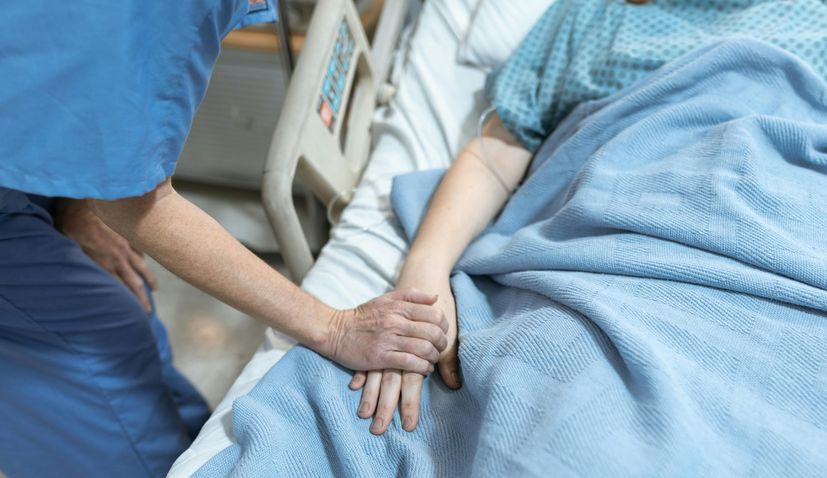
Croatia is grappling with a chronic shortage of nurses, with an estimated 4,000 missing from the healthcare system. As HRT reports, hospitals across the country are struggling to cope, and the problem shows little sign of easing.
At the Clinical Hospital Centre (KBC) in Zagreb, 138 nurses left in the first eight months of this year alone.
While a handful went abroad, most returned to their hometowns in search of less demanding work. In Osijek, the shortage is equally stark, with 300 nurses missing from the workforce.
Intensive Care Units Worst Affected
The shortage is most acute in intensive care units, paediatric and neonatal departments, as well as surgical and internal medicine wards.
“Just three weeks ago a colleague resigned saying she will now work three times less for the same salary,” said Ana Ljubas, Head Nurse at KBC Zagreb. “We are covering gaps thanks to the enthusiasm and professionalism of our remaining staff, but the pressure is enormous.”
Job advertisements for nurses remain permanently open, yet demand far exceeds supply. Around 300 nurses are reported to be on sick leave daily, adding further strain to already stretched hospital teams.
Hospital directors and medical organisations are calling for urgent action. In Osijek, local partnerships aim to encourage more young people to consider nursing through outreach, promotional talks, and campaigns highlighting the importance of the profession.
“Nurses are the cornerstone of healthcare alongside doctors. Without them, hospitals cannot function,” stressed KBC Osijek director, Krunoslav Šego.
The Croatian Chamber of Nurses warns that the root of the problem lies in education. Each year, around 1,150 students graduate from secondary medical schools, but this is far below what the system needs.
In 2023, only 854 newly qualified nurses obtained work permits through the Chamber’s registry, with many others continuing their studies at university.
“The biggest issue is the intake quotas for secondary medical schools,” explained Chamber president Mario Gazić.
“Every year, capable students are left without places. Enrolment must be increased by at least 20 to 30 percent. Only then, in four to five years, can we reach a sustainable number of nurses.”
With thousands of nurses missing, and work conditions pushing many to seek opportunities abroad or outside hospital systems, Croatia’s healthcare faces a structural crisis.
Unless swift reforms are made in both education and working conditions, the shortage could deepen further, leaving hospitals struggling to provide care at the highest levels.
By the Numbers: Croatia’s Nursing Shortage
• 4,000 nurses missing nationwide
• 138 nurses left KBC Zagreb in the first 8 months of 2023
• 300 nurses missing in KBC Osijek alone
• 300 nurses on sick leave daily, on average
• 1,150 students graduate from medical secondary schools annually
• 854 new nurses registered for work in 2023