260 DAYS – a film that took the audience’s breath away
- by croatiaweek
- in Entertainment
By: Zoran Rajn
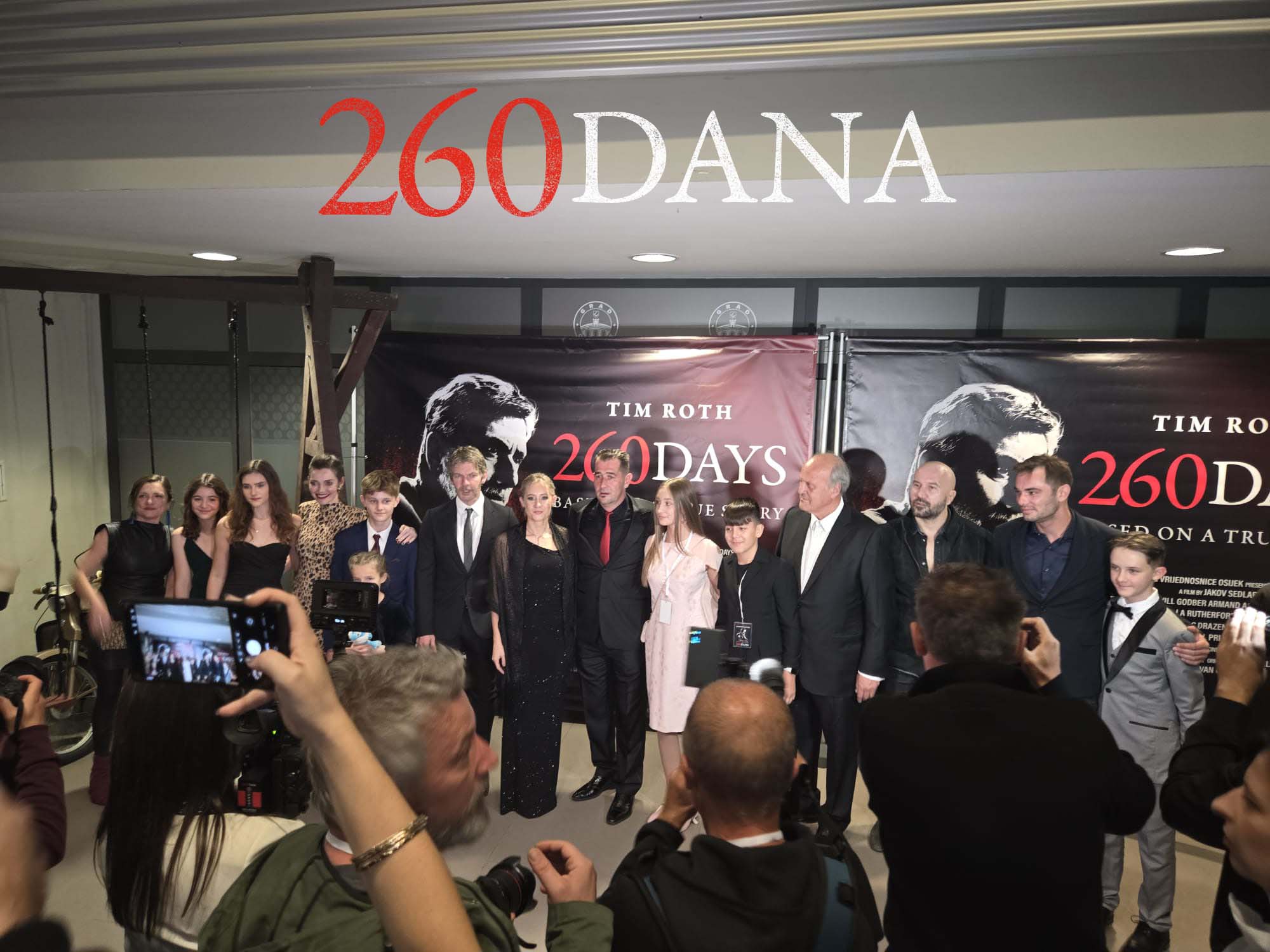
The new film by Jakov and Dominik Sedlar, 260 DAYS, has sparked extraordinary interest among audiences across Croatia.
Almost all screenings are already sold out, with cinemas filled to the very last seat. At every showing, people are lining up for tickets, and viewers leave the theatre deeply moved, by emotions rarely felt in domestic cinema.
Critics and audiences agree on one thing: 260 DAYS is not just a film, but an experience that profoundly touches the heart.
A Film Made Without State Support
Based on the true story of Marijan Gubina, 260 DAYS adapts his eponymous novel and delivers a deeply moving testimony of a childhood spent in Serbian captivity during the Croatian War of Independence.
As the authors emphasize, the project was created without any financial support from the state, its production was made possible by contributions from citizens and companies, and by the passion of one man, producer Alexander Hrkač, who, much like an American film dreamer, invested his own resources to bring to life a story he believed in.
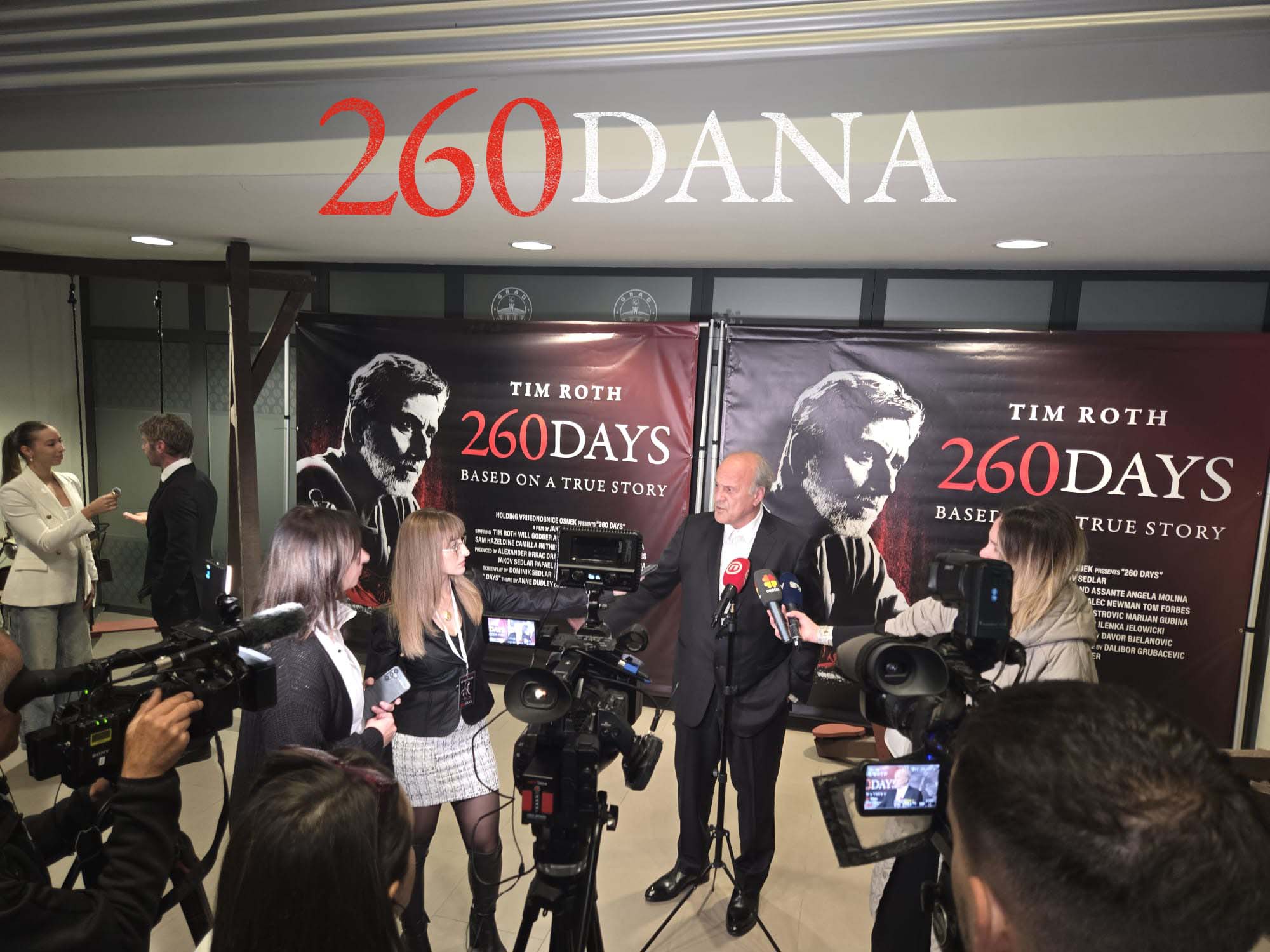
A crucial role in the realization of the project was played by Dražen Majstrović, the film’s producer and project director, who, as the director notes, “did an incredible amount of work” to ensure that every aspect of the production ran flawlessly.
A Star-Studded Cast Despite modest beginnings, 260 DAYS assembled an impressive international cast that includes Tim Roth, Armand Assante, Angela Molina, Isabella Dempster, Camilla Rutherford, Sam Hazeldine, and Will Godber, who portrays the young Marijan.
According to the director, it was Roth who, in the film’s final scene, “brought the entire set to tears,” creating a moment that he believes will be remembered in the history of cinema. From Slavonia to Hollywood Filming lasted 33 days, across locations in Đakovo, Gorjani, and Osijek in the Slavonia region.
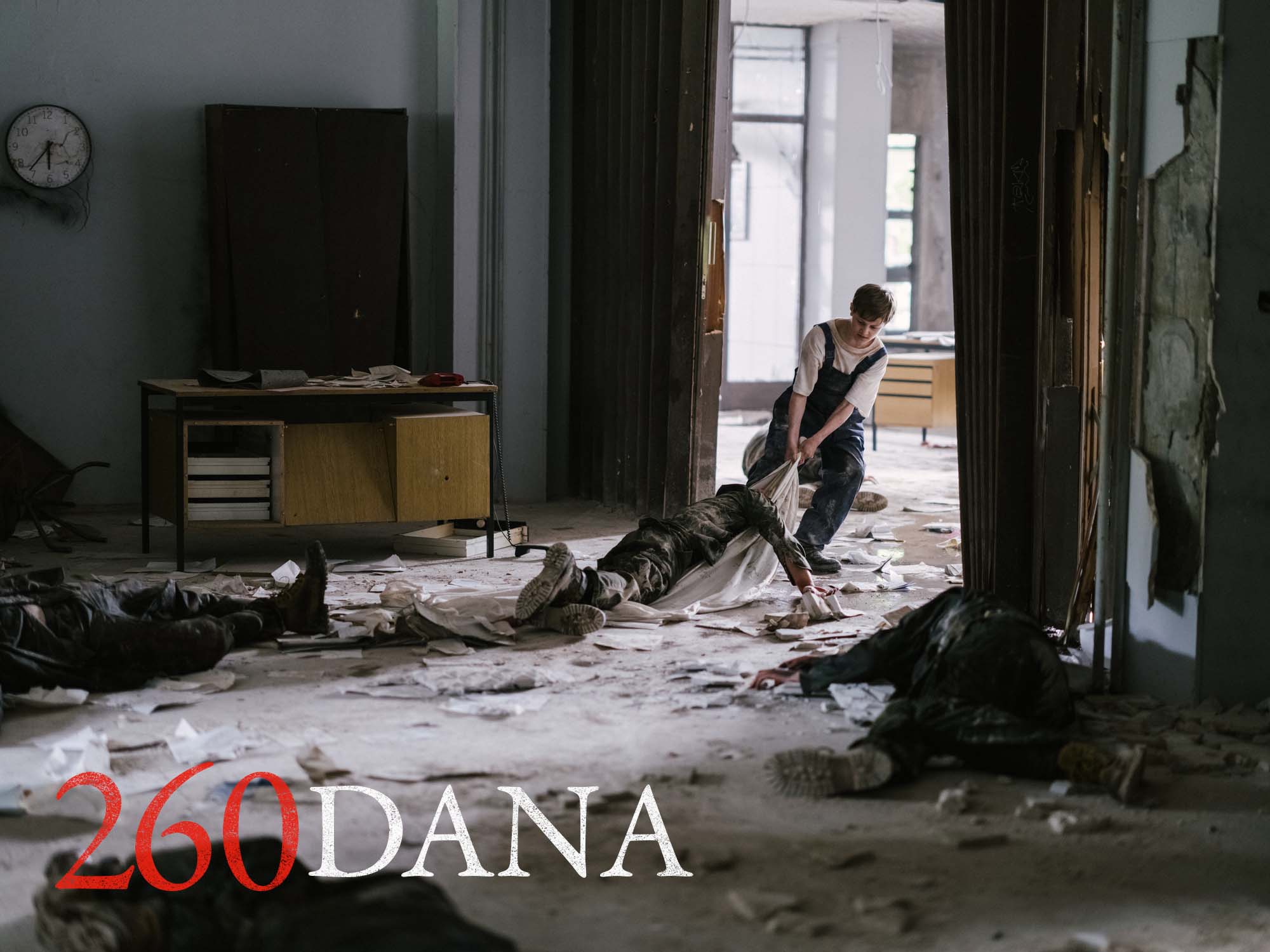
The director particularly highlights Gorjani as a place of exceptional beauty and warmth, filled with locals eager to help. Post-production was completed in Hollywood, giving the film a technical quality comparable to the world’s top productions.
The film’s music was composed by Academy Award winner Anne Dudley, whose contribution, Sedlar says, is immeasurable: the score, he explains, “does not merely accompany the action but speaks through emotion, deepening every scene.”
Scenes That Cannot Be Forgotten
One of the film’s most harrowing moments depicts the rape of Marijan’s sister, while the most technically demanding sequence portrays the murder of Croatian police officers in Dalj, charged with powerful emotional intensity.
None of the characters shown committing war crimes were ever held accountable, except for one person who received a shamefully lenient sentence due to procedural errors.
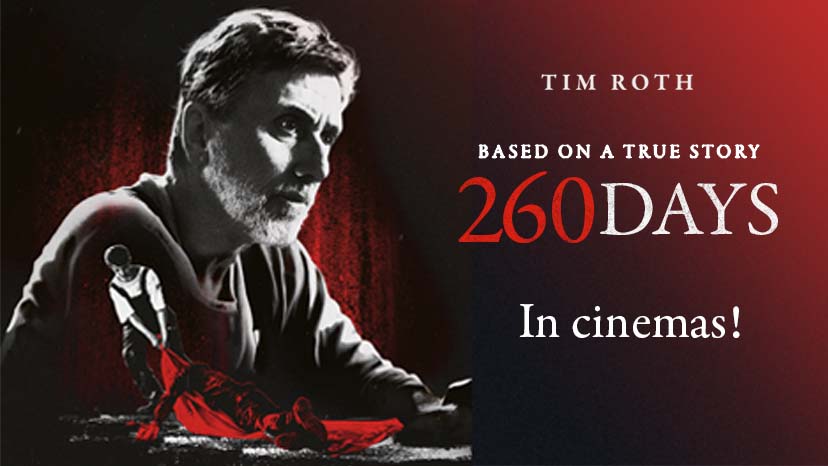
Yet the film is not about revenge, it is a story of survival, forgiveness, and humanity. Sedlar emphasizes that the goal was to tell a Croatian story “in the way a top-tier American production would,” and judging by audience reactions, it seems they succeeded. 260 DAYS is already considered one of the most important Croatian film events of the year.
A Phenomenon Filling Theatres
Public interest continues to grow – most screenings are sold out, and the schedule of upcoming showings can be found at 260days.net/raspored-projekcija.
Each screening ends with prolonged applause, and the emotions that fill the cinema halls testify that 260 DAYS is not just another film, but a cinematic event that will remain permanently recorded in both Croatian and world cinema history.
The enthusiasm of audiences and international distributors confirms that this true story of survival, suffering, and humanity will continue its journey well beyond Croatia’s borders.

A Croatian Story Told in the Language of World Cinema
260 DAYS demonstrates that truth, vision, and the passion of a small group of enthusiasts can overcome an inert state system that too often fails to recognize genuine talent and socially significant projects.
It is a film that refuses to compromise on quality, that merges important domestic theme with Hollywood craftsmanship to promote the truth about the Croatian War of Independence on a global stage, and that reminds us, as Sedlar says, “It is vital that we tell our own stories, because if we don’t, others will tell them for us.”