Croatia’s growing potential to be leading health tourism destination
- by croatiaweek
- in News
Croatia
Croatia has the experts, natural resources and tradition – but what about development? Plans to make Croatia a recognised health tourism destination were discussed by Ivana Kolar, President of the Health Tourism Association at the Croatian Chamber of Commerce (HGK), on HRT’s Studio 4.
Health tourism in Croatia consists of three main segments. The first is preventive tourism, such as wellness and overall wellbeing.
The second is treatment-based tourism, provided in special hospitals and health resorts. The third is medical tourism, which covers serious medical procedures and surgeries.
According to Kolar, Croatia’s health tourism sector is already showing steady growth and a strengthening reputation, particularly across regional and European markets.
“We are making progress in all three segments,” she said, “but what we perhaps lack is stronger branding and more visible international promotion.”
Building on Croatia’s global reputation
As one of the world’s best-known tourist destinations, Croatia is now gradually integrating health tourism into its wider tourism offering.
“Health tourism can build on Croatia’s strong reputation as a travel destination,” Kolar explained. “We no longer need to introduce Croatia as a tourist country. The easiest way forward is to attach health tourism to this established image. Since Croatia aims to develop year-round tourism, health tourism is one of the key sectors that can make that possible – it’s also the fastest-growing segment globally.”
Each country defines health tourism differently. In Croatia, there’s still debate on what falls under the term – whether visits to thermal spas or non-tourist medical treatments are included.
Kolar noted that Croatia’s eVisitor system could be used more effectively to measure the true scale of health tourism.
“We have a great tool to ask visitors why they came and whether health tourism was their reason. That way, we could finally have reliable data,” she said, pointing out that current figures are largely based on estimates.
Based on estimates from major clinics and thermal resorts, health tourism currently accounts for about 5% of Croatia’s total tourism revenue, generating between €700 and €900 million annually. Because it operates throughout the year, it represents a valuable opportunity for extending Croatia’s tourist season beyond the summer months.
Although development in this field is growing, Kolar believes Croatia still lacks the intensity of focus required. Private clinics currently play a crucial role, having recognised the global trend of travel for health and wellness. To move forward, stronger cooperation between private and public healthcare sectors will be essential.
Investment in health tourism is increasing, especially in the medical segment. “Croatia was once known for small, high-quality boutique clinics,” Kolar noted. “Now, we’re seeing acquisitions and the emergence of several strong brands.”
The Recovery and Resilience Plan, along with funding from the Ministry of Tourism and EU funds, has brought around €300 million in new investments for both public and private wellness, preventive and health tourism projects. Much of this funding supports the modernisation of state- and county-owned spas and health facilities.
Turkey stands out as one of the most proactive promoters of health tourism. “The country decided to develop health tourism at the national level,” Kolar said. “It even established a government agency dedicated to promoting the sector and subsidises travel for medical and wellness visitors.”
Croatia, she added, is far from that level of coordinated promotion. “Individual clinics and resorts promote themselves, but a joint national campaign would be much more effective. The louder you are, the more you’re heard,” she said.
Croatia’s natural advantages
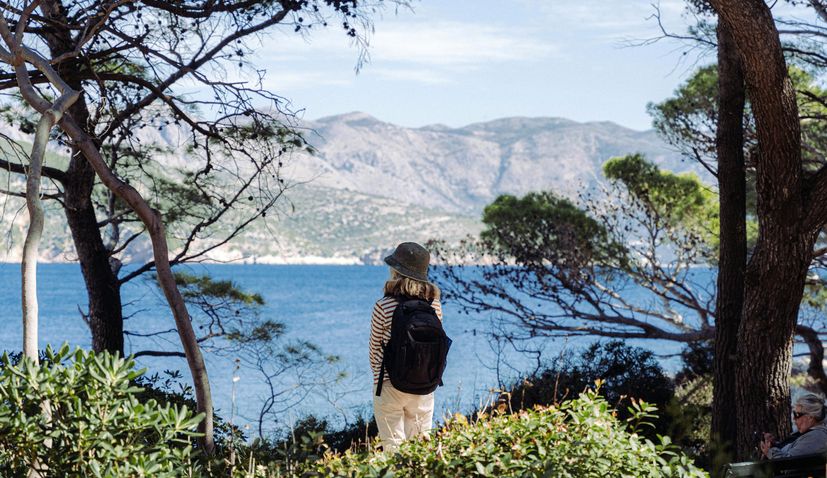
Croatia has many assets that make it an ideal health tourism destination – from its well-developed tourist infrastructure and skilled medical experts to its natural healing resources such as the sea, thermal waters, clean air, and curative mud.
Add to that a safe environment and a strong reputation for quality of life, and the potential becomes clear.
“If we link our healthcare offer with our established tourism infrastructure, Croatia could easily become a strong health destination,” Kolar said.
The road ahead
Developing a modern health tourism brand for Croatia will take five to ten years of coordinated effort. A framework already exists through cooperation between ministries, the Croatian Chamber of Commerce, and the Croatian National Tourist Board.
“The brand for Croatian health tourism has already been prepared – now it’s time to take the next step,” Kolar confirmed.
As the demand for destinations that promote wellbeing and longevity continues to rise, Croatia – with its ideal climate, lifestyle and safety – has everything needed for success. All that remains is stronger networking, consistent branding and a unified marketing approach.