Croatia plans Foreigners Act changes including mandatory language learning
- by croatiaweek
- in News
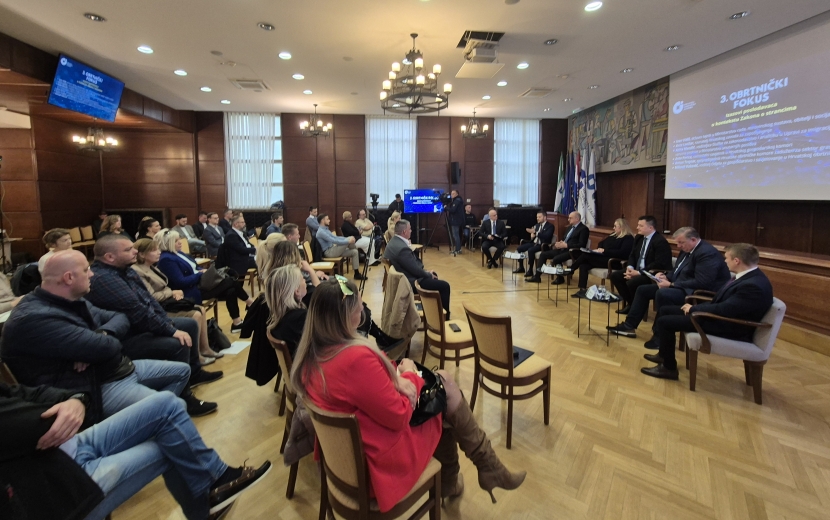
(Photo: HOK)
At a recent Craftsmen’s Focus event held at the Croatian Chamber of Trades and Crafts (HOK), representatives from key government institutions and employers discussed upcoming changes to the Foreigners Act, which regulates the employment of foreign workers in Croatia.
State Secretary at the Ministry of Labour, Pension System, Family and Social Policy, Ivan Vidiš, Director of the Croatian Employment Service Ante Lončar, and Anita Mandić from the Ministry of the Interior’s Immigration Department confirmed that legislative amendments will be launched by the end of the year.
The goal, they said, is to ease administrative procedures, further digitalise the system, and introduce mandatory Croatian language learning for foreign workers — with state co-financing of between 50% and 70%, depending on the employer’s size.
Officials also stressed that the Act, adopted in March, has met its initial goals, reducing undeclared work, improving oversight, and addressing abuses by a small number of employers.
However, they emphasised that immigration management remains both an economic and security issue that must be handled carefully to balance market needs with broader social impacts.
Fewer work permits, more renewals
According to official data, the number of issued work permits dropped from 206,000 last year to just over 136,000 by the end of September. Meanwhile, the share of applications for permit renewals rose from 25% to 35%.
This year, around 213,000 applications were submitted, with 80% already processed.
The government also reported an increase in domestic employment from the unemployed register, a sharp rise in pensioners working part-time, and the return of 13,000 Croatians from abroad.
A pilot project with the Philippines was also announced, ensuring the arrival of 300 pre-screened workers—certified in terms of health, safety, and skills—who will soon be available to Croatian employers.
Representatives from the business sector welcomed the government’s intention to simplify procedures. However, they also voiced concerns about ongoing labour shortages and slow administrative processes.
Ante Perica from the Croatian Chamber of Commerce noted changing recruitment trends, highlighting that the number of workers arriving from Bangladesh dropped sharply—from 10,000 last year to 3,000 this year.
Currently, most foreign workers come from Bosnia and Herzegovina, Nepal, and Serbia, with Filipinos now ranking fourth and Indians fifth.
Antun Trojnar, Vice President of HOK and a construction entrepreneur, described the shortage of local workers as the most serious challenge in decades.
“Five years ago, there was no need for foreign workers. Today, after 40 years in business, this is the biggest issue we face,” he said. “The education system hasn’t kept up with labour market demands, and the pool of local workers is empty. We can’t fulfil contracts without enough workers or when waiting too long for permits.”
Mihovil Vuković, Head of the HOK’s Department for Economy and Consulting, confirmed that most employer inquiries relate to the time it takes to issue permits.
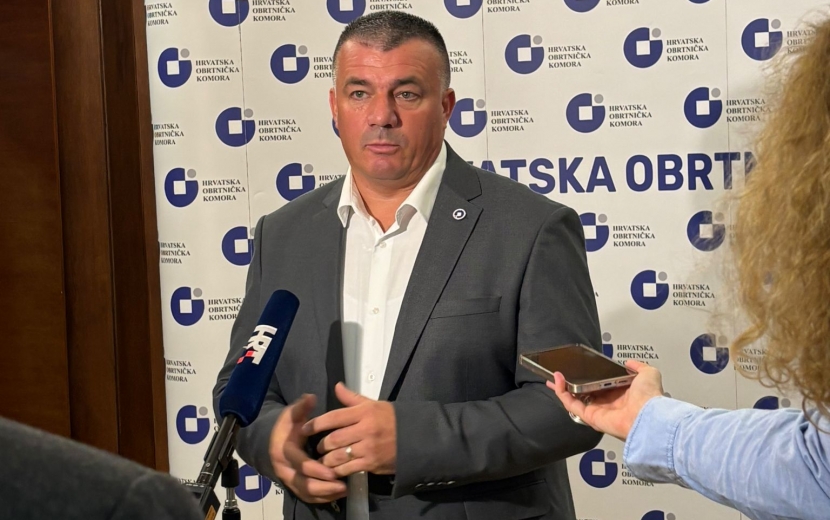
Dalibor Kratohvil (Photo: HOK)
He called for fair treatment of responsible employers and welcomed longer validity periods, from one to three years for work and residence permits, and from six to nine months for seasonal work.
He also supported upcoming changes including administrative simplification, digitalisation, and the possibility of multi-season permits.
The observation period for assessing business turnover will also be extended from six months to one year.
HOK President Dalibor Kratohvil reiterated the Chamber’s ongoing cooperation with government bodies, underlining the need to address accommodation issues and short seasonal permits, currently limited to 90 days in agriculture, forestry, hospitality, and tourism, which have proven insufficient in practice.