Croatia’s tourism season: Who came, where they went, and what lies ahead
- by croatiaweek
- in News
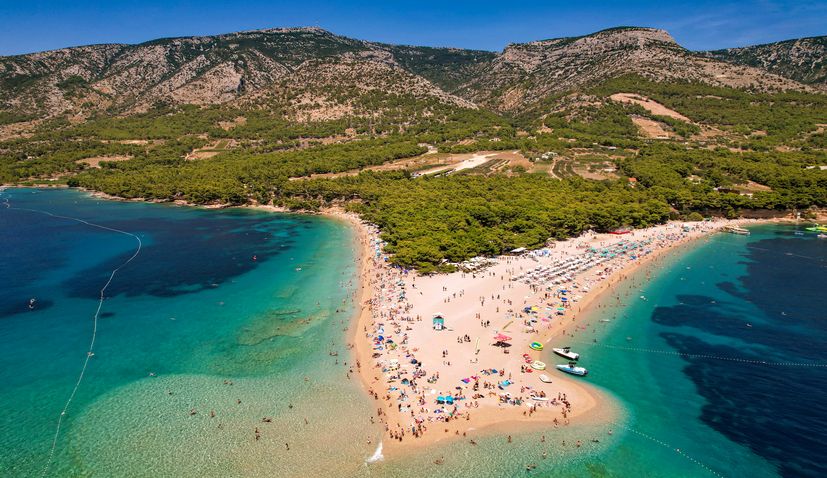
Zlatni rat beach, Bol
Although visitors are still arriving, Croatia’s main tourist season is slowly winding down. From January to August, more than 17 million guests visited the country, generating almost 90 million overnight stays, according to e-Visitor data.
This represents a slight increase compared with last year – arrivals are up by 1.8%, and overnight stays by 0.5%.
Germany remains the top source market, although numbers were marginally lower than in 2022. Domestic tourists follow closely behind, with over 11 million overnight stays, while Slovenians, Austrians and Poles complete the top five.
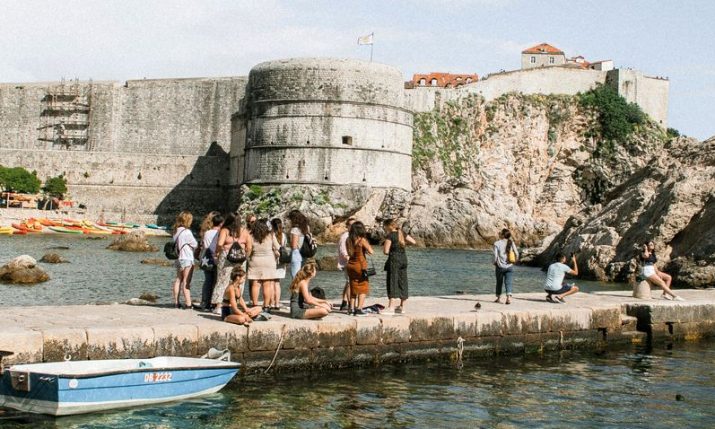
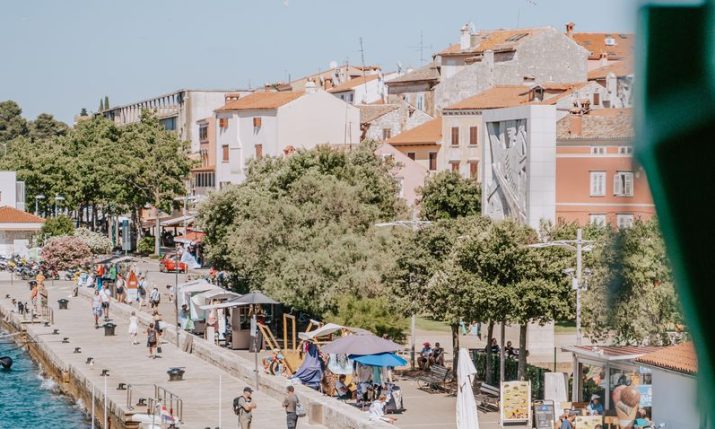
When it comes to destinations, Vir proved most popular among Croatian guests, while Rovinj led the way for international visitors.
Other top destinations included Dubrovnik, Poreč, Umag, Split and Zadar. By region, Istria topped the charts with over 25 million overnight stays, followed by Split-Dalmatia County and Kvarner.
Nine out of ten overnight stays were recorded along the Adriatic coast, while continental tourism, though still modest, continues to grow gradually.
Asked whether Croatia can be satisfied with the results, given concerns about high prices, Damir Krešić, Director of the Institute for Tourism in Zagreb, gave a cautiously positive assessment to 24sata.
“Broadly speaking, yes, we can be satisfied with the season,” he said, “but we must pay close attention to price competitiveness.”
Krešić explained that while hotels and full-board offers remain relatively competitive, out-of-hotel services such as restaurants, bars, cafés, taxis and other extras may have become too expensive.
“Tourism is not just accommodation – it is everything a guest experiences and pays for. If one part is overpriced, the overall impression suffers,” he noted.
He also pointed out the heavy reliance on the German market, which brings around a quarter of all arrivals.
“There is a saying: when Germany sneezes, Croatia catches a cold. We have been too dependent on one market, so it is encouraging that domestic tourism is strengthening,” Krešić said.
For him, the key lesson from this season is clear: value for money must remain central.
“Whether something costs 10 or 50 euros, if the guest feels they got nothing in return, it is money wasted. But if they receive quality and leave with good memories, even a higher price will be justified,” he concluded.