How crypto taxes work in Croatia: What investors need to know
- by croatiaweek
- in Business
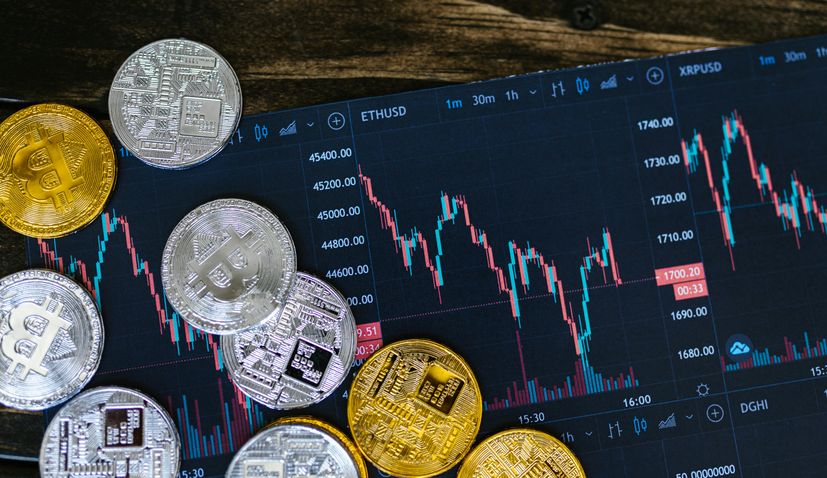
In recent years, crypto assets have moved firmly into the mainstream investment sphere. No longer the preserve of tech enthusiasts and speculative traders, cryptocurrencies are now on the radar of serious investors, funds, and corporate treasurers.
However, many market participants remain unclear about how crypto investments are taxed in Croatia.
The Croatian Tax Administration has made its position clear: capital gains from trading crypto assets are subject to income tax on capital, Tportal writes.
Tax is paid on the realised profit – the difference between the selling price and the purchase price.
When does the tax obligation arise?
A tax liability is triggered when cryptocurrency is exchanged for fiat currency (such as the euro or US dollar) and a profit is made. Importantly, using cryptocurrency to purchase goods or services does not exempt you from paying tax – such transactions are still treated as disposals of financial assets.
How is the tax calculated?
Capital gains are taxed at 12% without surtax. For example, if you bought bitcoin for €10,000 and sold it for €15,000, your profit is €5,000, and the tax due is €600. The taxable base is the total capital gains for the calendar year, minus transaction costs and any losses from sales at a lower price than purchase.
When are you exempt?
If at least two years have passed between buying and selling the cryptocurrency, no tax is payable. Swapping one cryptocurrency for another is also tax-free, as is transferring crypto between your own wallets.
Tax treatment of mining
Mining income is treated differently – as employment income, taxed as “other income” or through self-employment rules. When mined crypto is later exchanged for fiat currency, capital gains tax applies if a profit is made.
Reporting and record-keeping
Income from crypto trading must be reported by the end of February for the previous year, using the JOPPD form via ePorezna or in person. Accurate records of all transactions, including purchase and sale prices, are essential. The FIFO (First In, First Out) method must be used when calculating gains from multiple trades.
All transactions should be supported by credible documentation, such as exchange confirmations. If no reliable records exist, market value can be determined based on average prices from major crypto exchanges on the transaction date.