Croatia’s population is growing, but birth rates continue to decline
- by croatiaweek
- in News
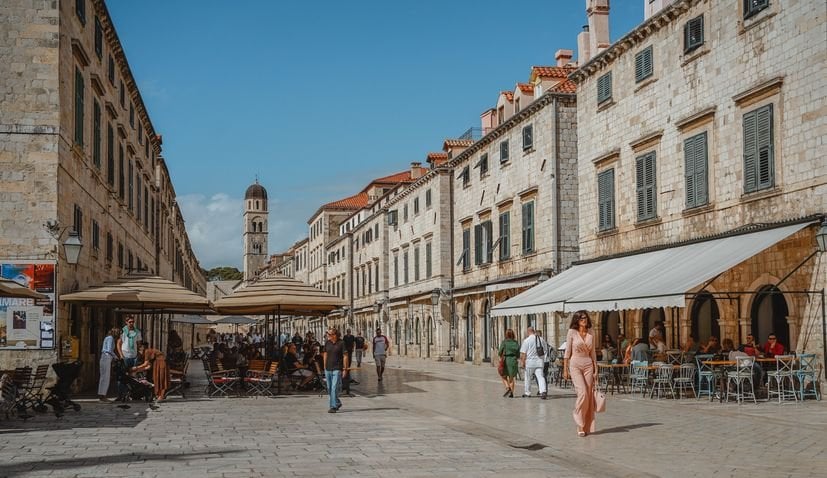
Croatia is seeing its population grow for the second consecutive year, but behind the headline figures lies a more complex and concerning demographic picture.
According to the Croatian Bureau of Statistics, 3,874,350 people were living in the country in 2023 – an increase of 12,383 compared to the previous year.
This follows a similar rise in 2022, marking a total growth of over 23,000 people in just two years.
However, as tportal reports, the population boost does not come from natural growth. Croatia continues to lose over 19,000 people annually due to the number of deaths exceeding births.
In fact, 2023 was the first year in which fewer than 32,000 children were born.
Much of the increase is due to immigration. In 2023 alone, Croatia issued over 206,000 residence and work permits for foreign nationals, and nearly 100,000 more in the first half of 2024.
Among them are 26,400 refugees from Ukraine and around 68,000 asylum seekers.
The Croatian government has taken steps to encourage the return of Croats from abroad. Initiatives include tax incentives for returnees and the “I Choose Croatia” programme, which supports self-employment in less developed areas.
However, few are returning, with many of those who do being Croats who had briefly lived in the EU before deciding to come back.
Instead, foreign workers are increasingly choosing to stay. A study by demographer Tado Jurić from the Catholic University of Croatia found that 69 percent of Ukrainian refugees and 81 percent of asylum seekers intend to live in Croatia for at least five more years, tportal writes.
Many would apply for citizenship if eligible.
Foreign workers are also bringing their families and planning to stay long term. Yet challenges remain. Most do not speak Croatian, and integration efforts are minimal.
Only 52 workers completed a basic language course last year, despite the government estimating that proper integration would cost the equivalent of a new Pelješac Bridge.
Looking ahead, experts say Croatia must decide whether it will invest in integrating newcomers or risk deeper demographic shifts. With birth rates falling and immigration rising, the country is on the cusp of significant social change.