What Croatia taught me about life and work
- by croatiaweek
- in Entertainment
(Photo: Private album)
By Frances Vidakovic
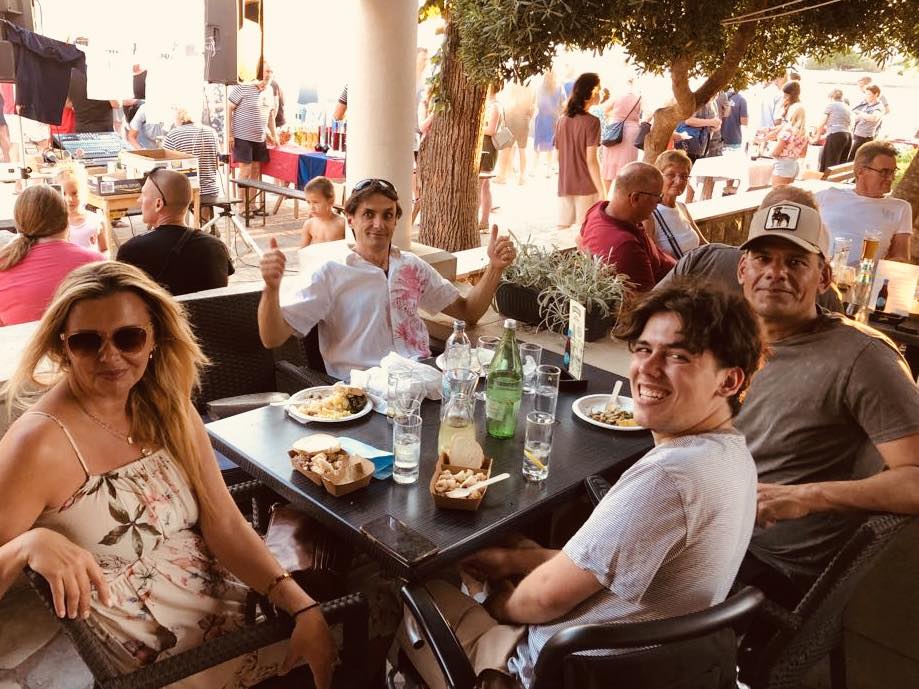
Back in 2018, when I was last holidaying in Croatia, I spent a lot of time with my fellow Croatian-Australians friends. Some I had known since I was young; others became lifelong friends after that fun-filled summer on the island of Korčula.
On our last night together, the conversation slowly veered towards what we all did for work back home.
Amazingly, this question hadn’t come up earlier with our newfound friends. I replied that I was a writer and creator of courses that help people achieve their goals in life.
They told me that they were a lawyer, teacher, doctor… honestly, I have no idea what their response was anymore. For whatever reason, during that summer in Croatia, it didn’t feel as if those answers about work were truly that important.
What did it really matter what we did for work? Still, we all marvelled at how this is usually one of the first things people ask others back home (“What do you do for work?”), whereas in Croatia this question felt like an afterthought, a minor detail, a thing that no one seemed to really care about.
Strangely enough, the concept of work, which is integral to the livelihood of most humans in this world, takes on a different flavour here in Croatia.
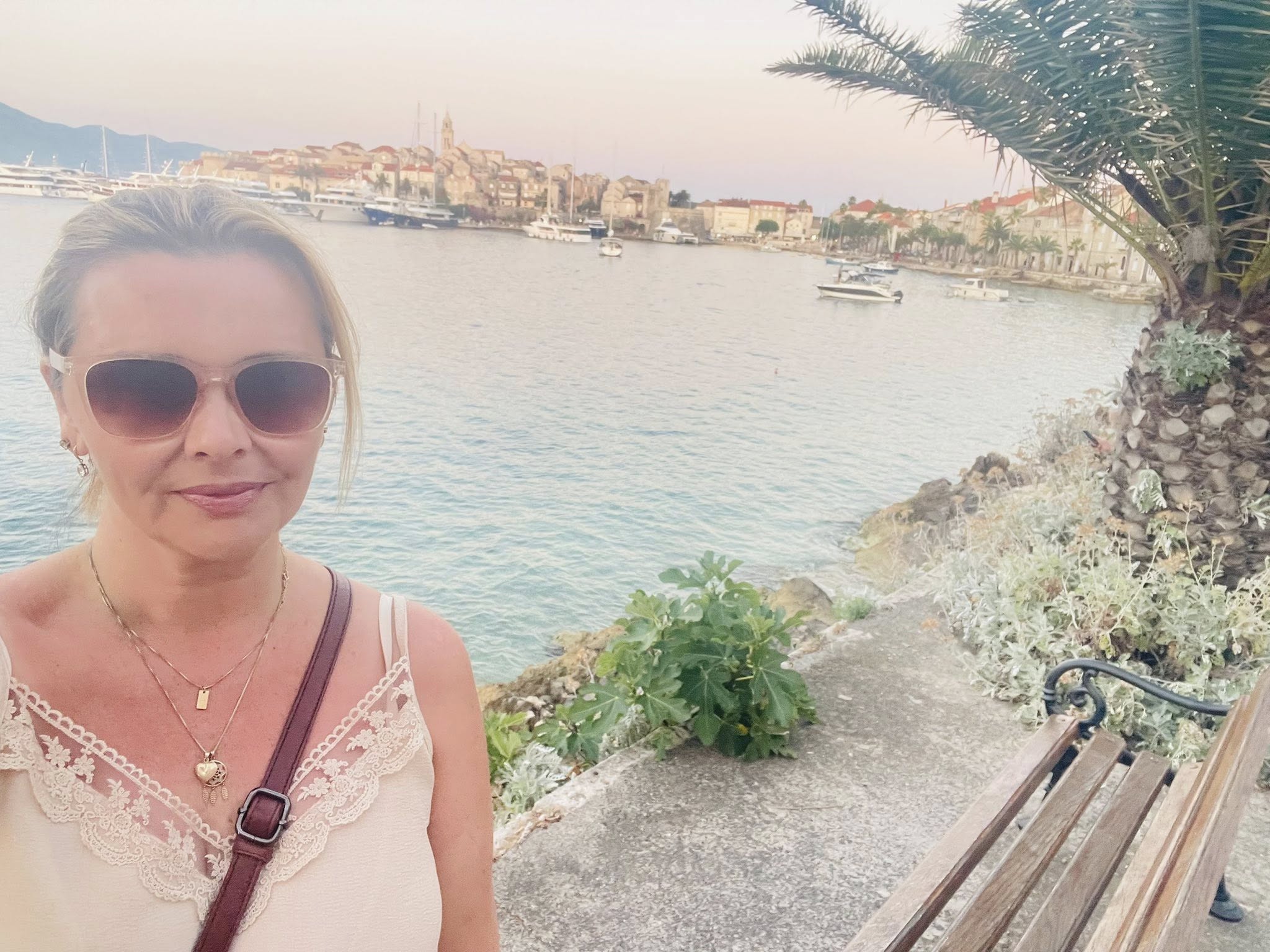
Decades before, after graduating from university, I spent a few years living on Korčula, and I remember more than once being told: Here in Croatia, we work to live, while people in Australia live to work. This idea of being so work-focused wasn’t something I was proud of, but at the same time, it was easy to fall into this hamster-wheel way of living life in Australia.
(Photo: Private album)
Back before kids, I remember working from 8:30 a.m. to 6:00 p.m. every day. This meant I was already out the door by 7:40 a.m. and usually wouldn’t come home until close to 7:00 p.m.- a time when it was already dark during the winter months.
By then I was too exhausted to go out again. I would have dinner, spend time with family, and retreat to bed early enough to do this on repeat five days every week.
Was I living just to work? Maybe… but at the same time, I was living no differently from all the other people in Australia whose work also seemed to consume their days and, inevitably, their lives. I mean, what did the alternative even mean – “working to live” – anyway? I never truly understood until this year in Croatia – this secret to feeling more switched on and awake to life, no matter what you do for work.
To step away from this “living just to work” way of life, your identity needs to consist of more than just what you do for work. Your work cannot be the only thing you live and breathe every day.
(Photo: Private album)
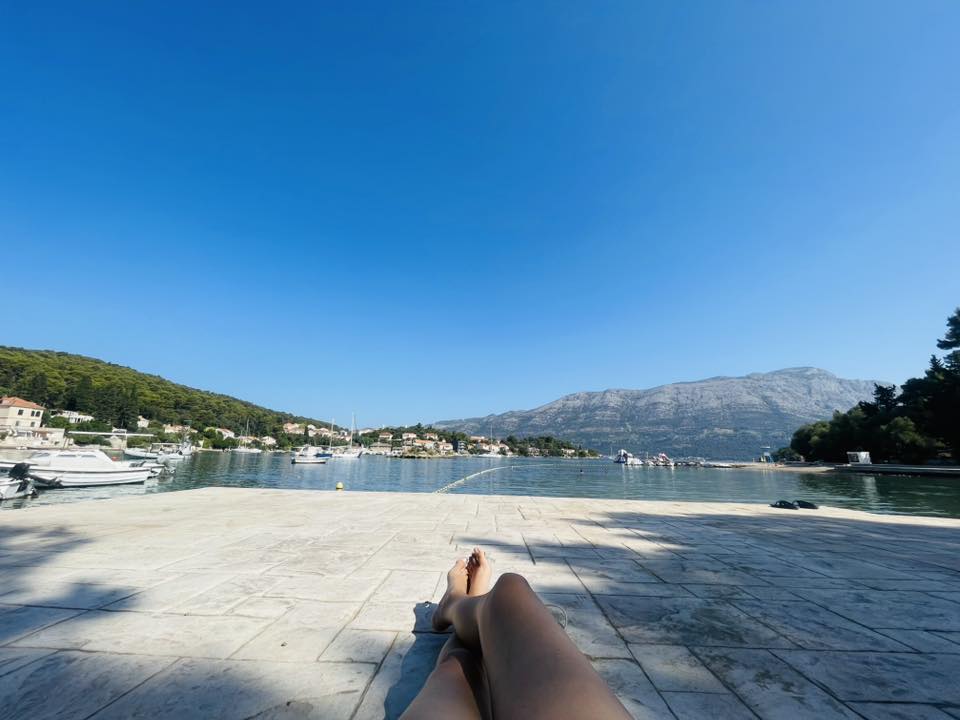
Croatians have seemingly mastered this by managing to have a full life outside of their work. Once their workday is done, they still manage to find time to connect with family and friends every day.
Their life is, of course, set up to make this as easy as possible for them here in Croatia. Friends and family surround them where they live.
One step into the selo and they are already conversing with dozens of familiar faces. They walk to buy bread and bump into friends along the way. Their lives are intricately and tightly woven together like a warm blanket draped casually over their shoulders- large enough to keep them connected together each day.
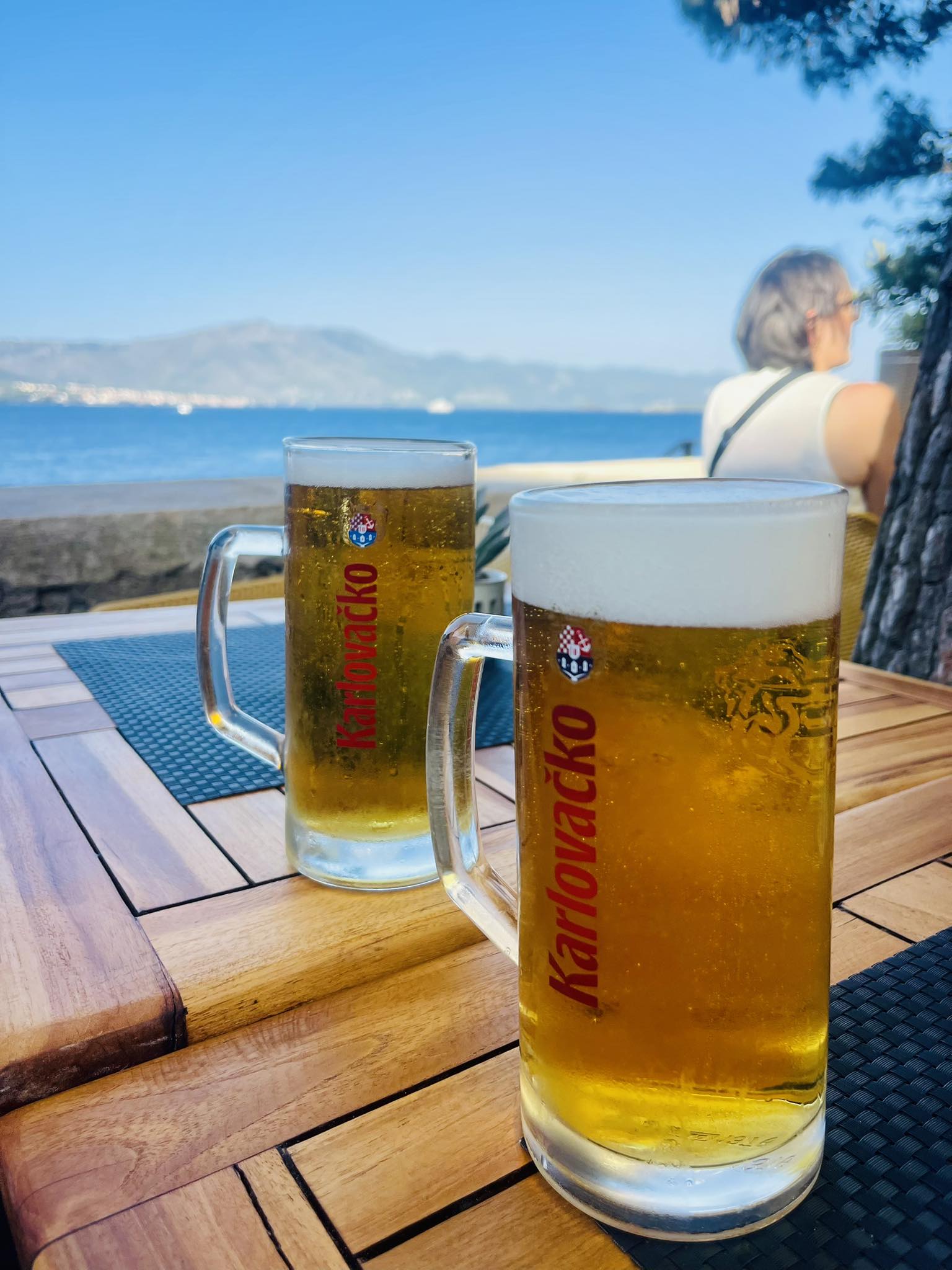
Even after their workday is done, they still manage to have time for a drink or chat with their loved ones. Work is a means to an end, but not the be-all and end-all in life. There’s a feeling of connectedness and community here that is hard to bottle up, but it transcends anything that I’ve ever experienced back in Australia.
(Photo: Private album)
It’s a feeling I wish I could bottle up and take back home with me. Rather than merely dreaming about living a good life, they immerse themselves in it every single day. They seem alive and awake to the preciousness and fragility of their life.
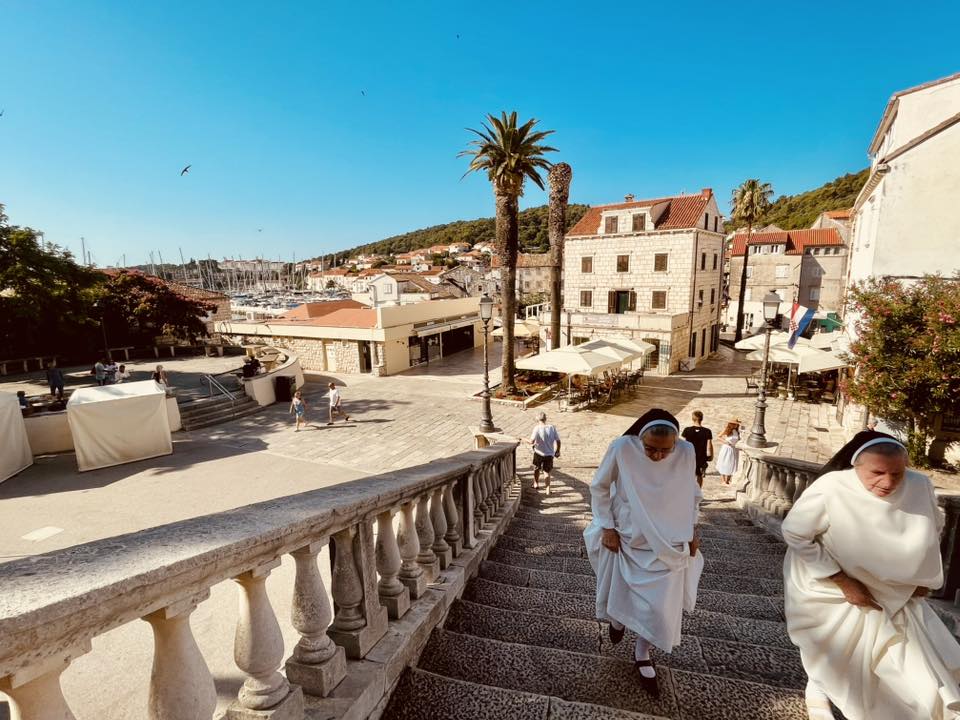
They’re not glued to their phones or addicted to social media. And more importantly, they don’t live to work; they work simply to live.
(Photo: Private album)
Of course, the opportunities for work differ greatly between our countries. Croatians here are quick to point out that we have the ability to earn more money and gain employment more easily in our chosen careers abroad.
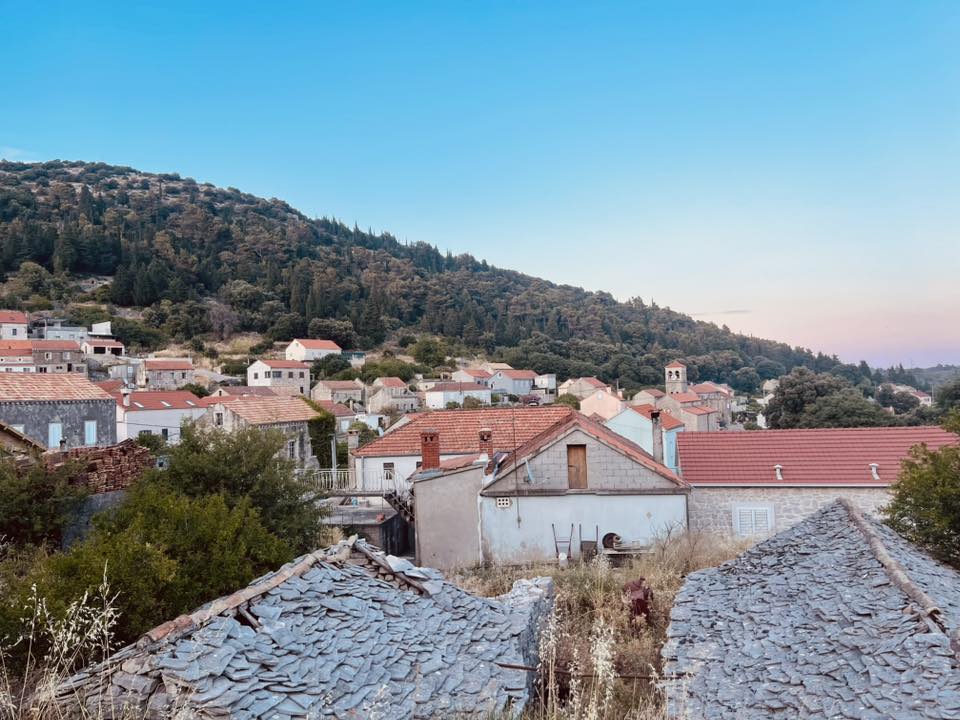
(Photo: Private album)
True, and yet I’m still not sure that they would ever make it their sole life goal to be totally consumed by work at the expense of their family, friends, and social life. In Australia where people are said to “live to work,” our work is often our main purpose and activity in life – we tend to make it our whole identity or reason for being.
Whereas in Croatia, this “work to live” philosophy means that work is considered to be just a means to an end. That is, people do their jobs to earn enough money so they can actually live their real lives outside of work.
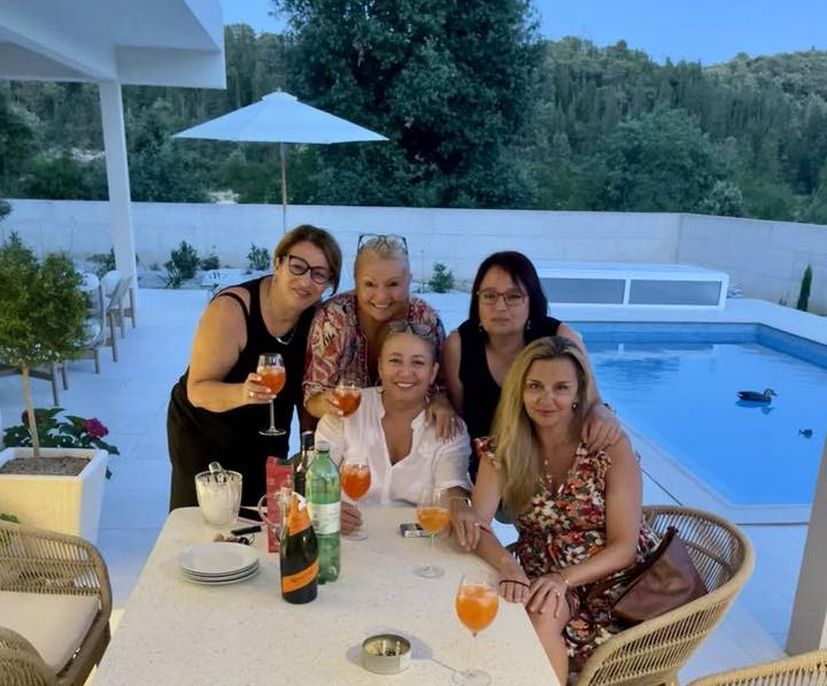
(Photo: Private album)
Their work does not prevent them from living a fully rich life outside of their working hours. If anything, it fuels it. Back in Australia, our days often end the moment we clock off for the day, while for Croatians, the end of the workday signals when their life and fun just begin.
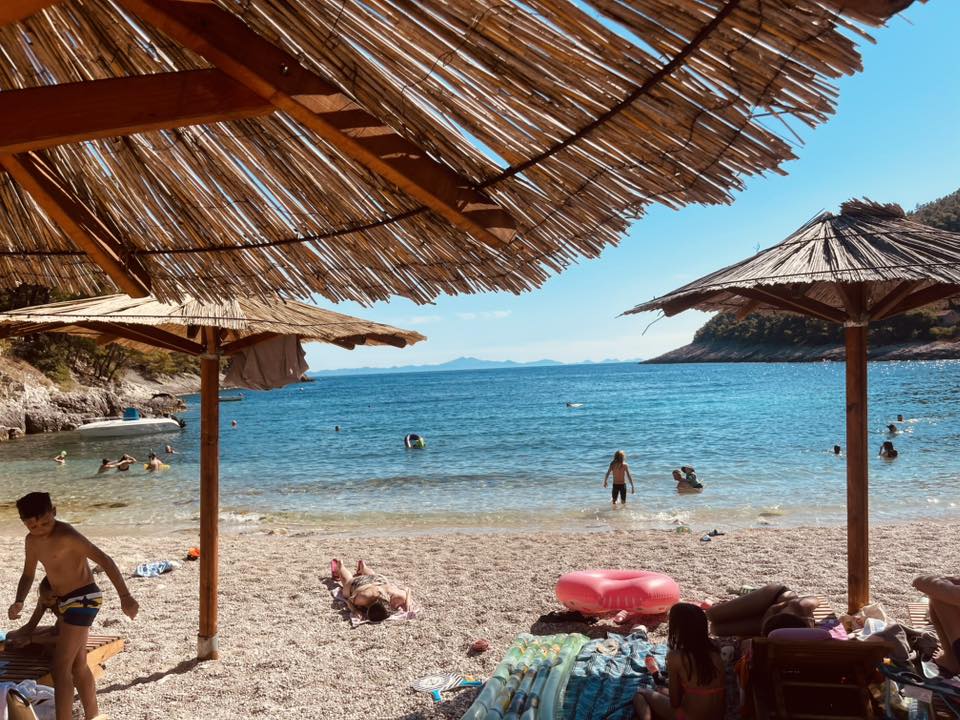
(Photo: Private album)
We live for the weekends, whereas every day here in Croatia has the potential to feel eventful, especially during the summer months. In a nutshell, I’ve observed that Croatians definitely don’t appear to revolve their entire existence around their jobs. Instead, they do what’s needed to survive, thrive and enjoy life, but work itself isn’t the entire point.
Work isn’t everything to them; it’s something that supports the life they want to live. They don’t live for it – they use it to live. And secretly, I think we all know deep down that there is more to life than just working, even if we’ve been wired to behave that way abroad.
Croatians here seem to understand that work is a tool, not their whole identity. Certainly, they understand that life is what happens beyond their job. For them, work serves life – not the other way around.
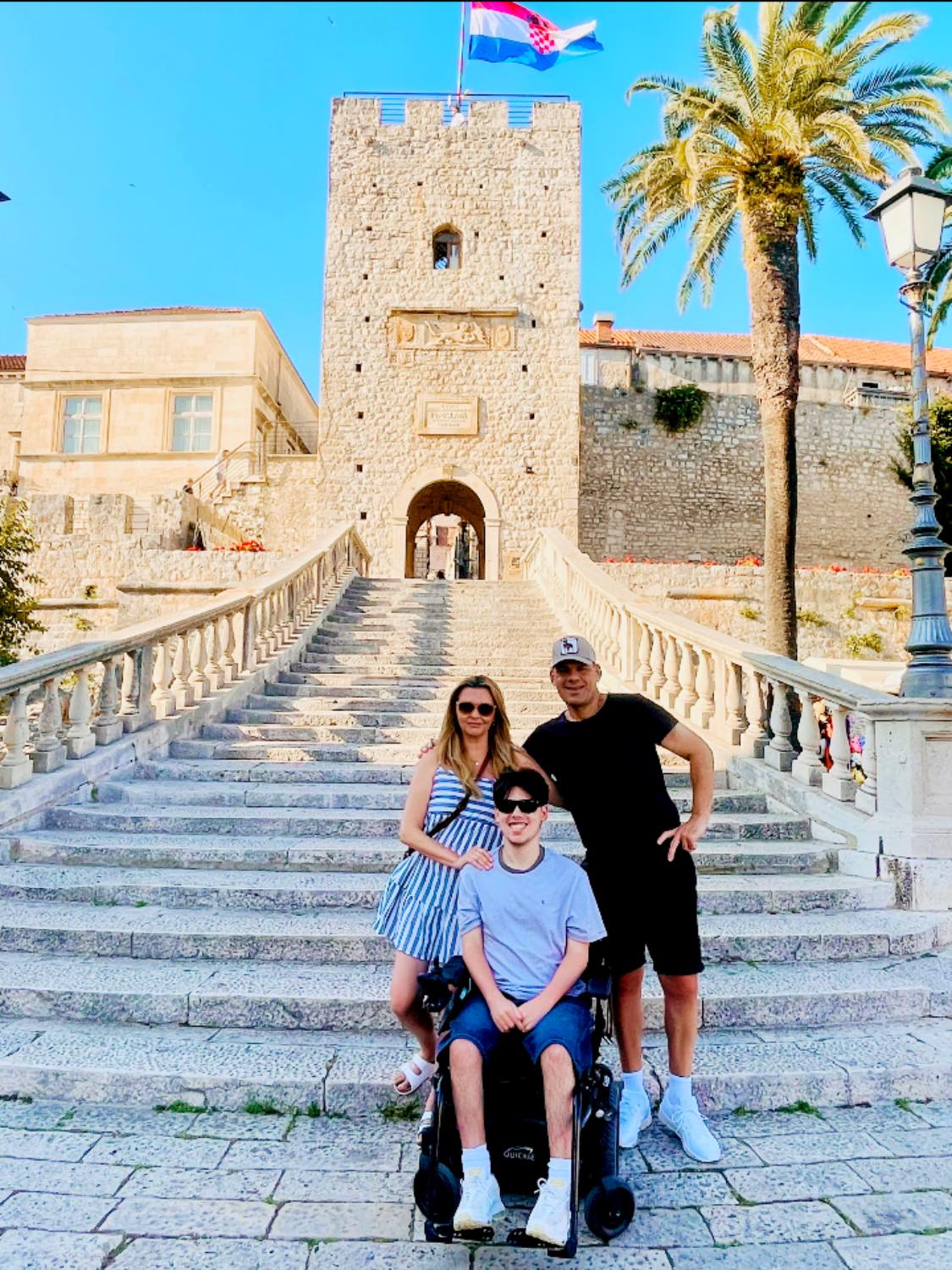
(Photo: Private album)
Work funds their real priorities: family, community, and their time to truly live. They keep work in its place – a means to enjoy the life they really care about – and they measure success by the life they build, not the hours they clock in. Their ultimate focus is on living well, not just working hard.
Because in the end, no one honestly looks back on their life and wishes they’d spent more time at the office. What we long for are those moments that made us feel alive.
Croatians understand that time is the true currency, and they spend it where it matters most – with open hearts, not open laptops. In their world, work supports life rather than defining it – and joy is something you don’t postpone for weekends or retirement.
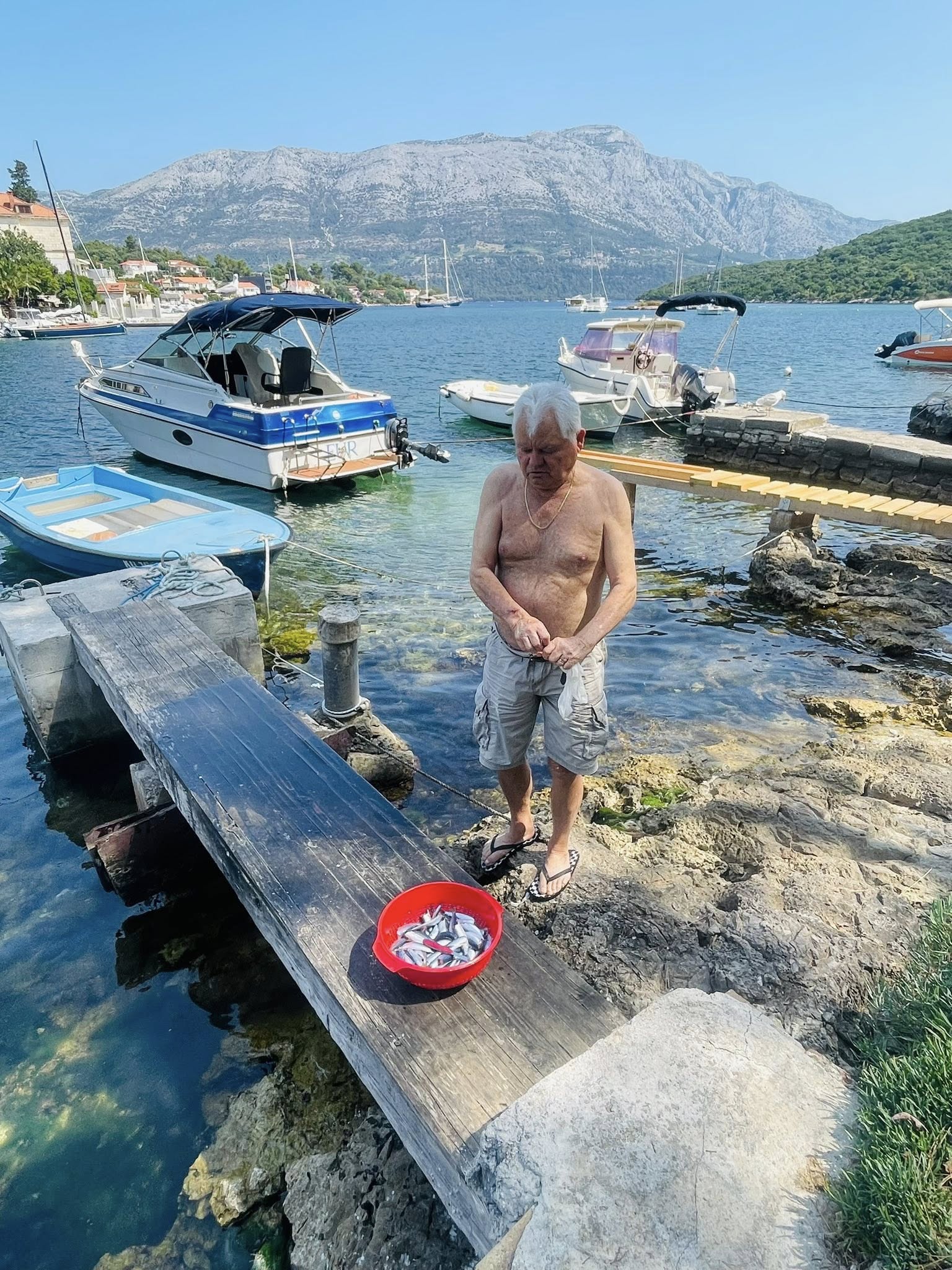
(Photo: Private album)
So I guess the final question for us to ponder is this: how can we capture more of this essence in our lives away from Croatia? Are we simply living to work rather than working to live every day?
And if so, how can we also create a rich life that isn’t measured in accolades but in memories, conversations, and the warmth of knowing you showed up fully for what matters?