1500-year-old olive oil production complex discovered in Croatia
- by croatiaweek
- in News
(Photo: Archaeological Museum in Split)
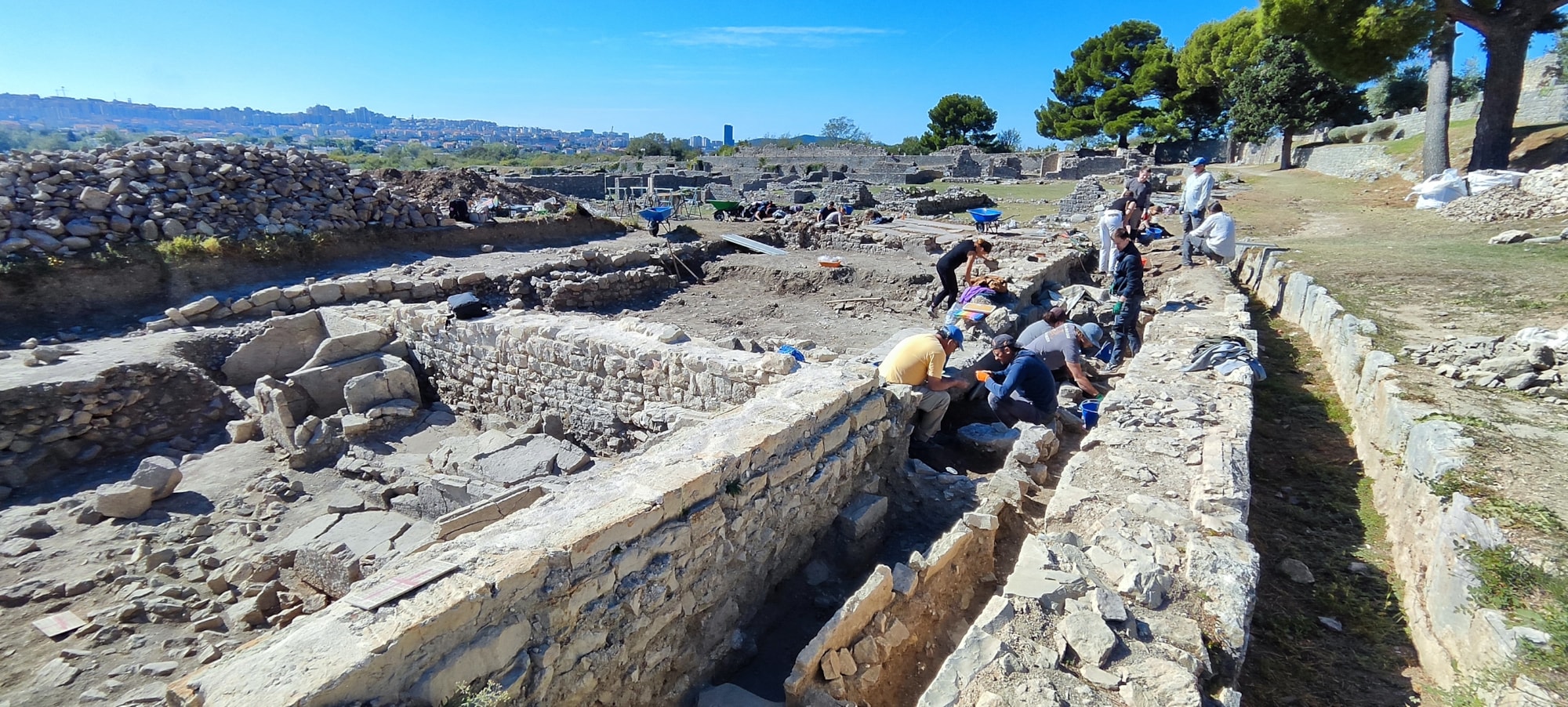
SOLIN, 8 October 2025 (Hina) – Archaeologists have uncovered an exceptionally well-preserved ancient olive oil production complex in Salona, near Solin on Croatia’s Dalmatian coast, shedding new light on the economic life of the once-thriving Roman city.
The discovery, presented on Tuesday, is the result of a joint research project between the Archaeological Museum in Split and the Faculty of Humanities and Social Sciences of the University of Zagreb.
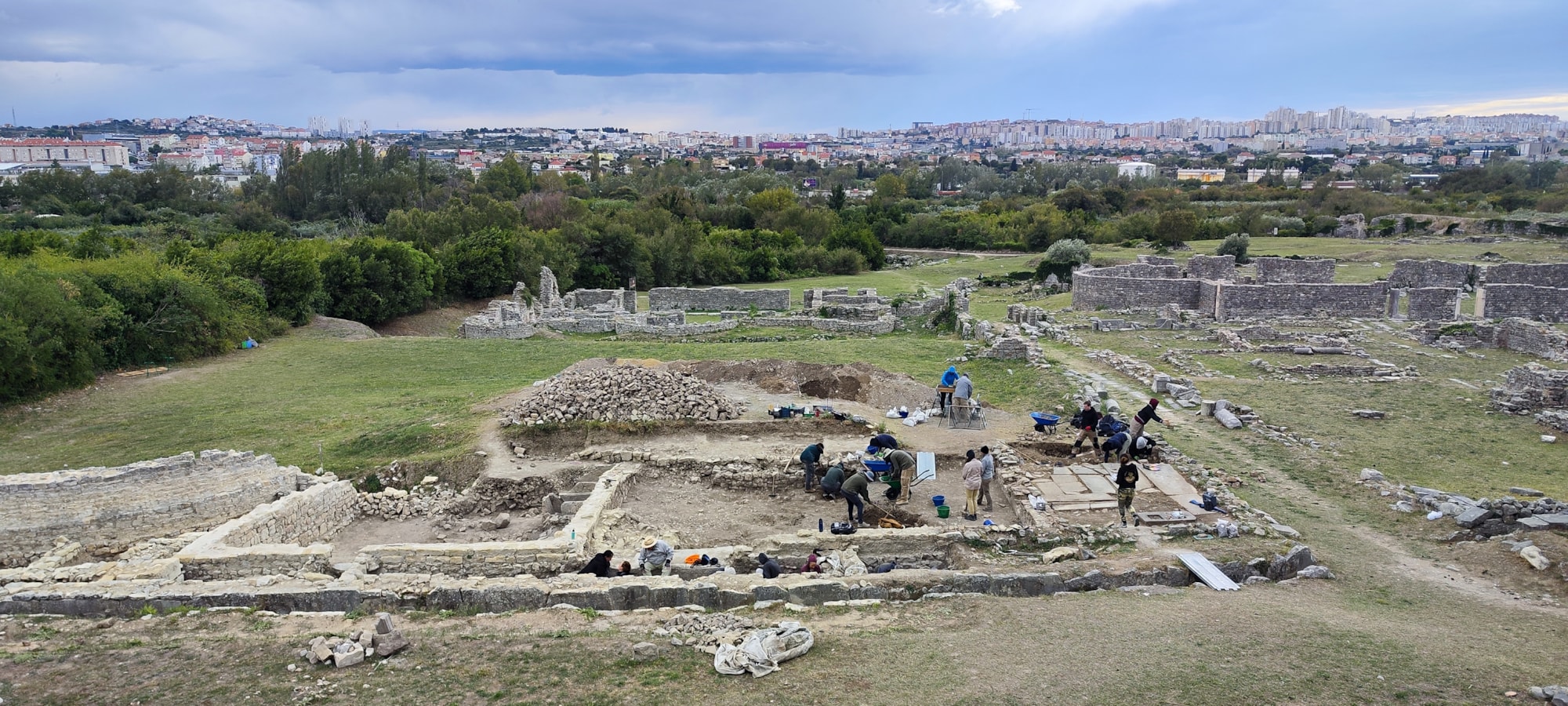
The site, located north of the Great City Baths and east of the Episcopal Centre, was toured by researchers led by Dino Demicheli and museum advisor Ema Višić Ljubić.
(Photo: Archaeological Museum in Split)
“This year we uncovered an almost complete production facility – from the olive pressing system and structures for liquid separation to the final oil production,” said Demicheli.
“It represents one of the most significant discoveries in Salona’s economic history.”
Evidence of Ancient Olive Oil Production
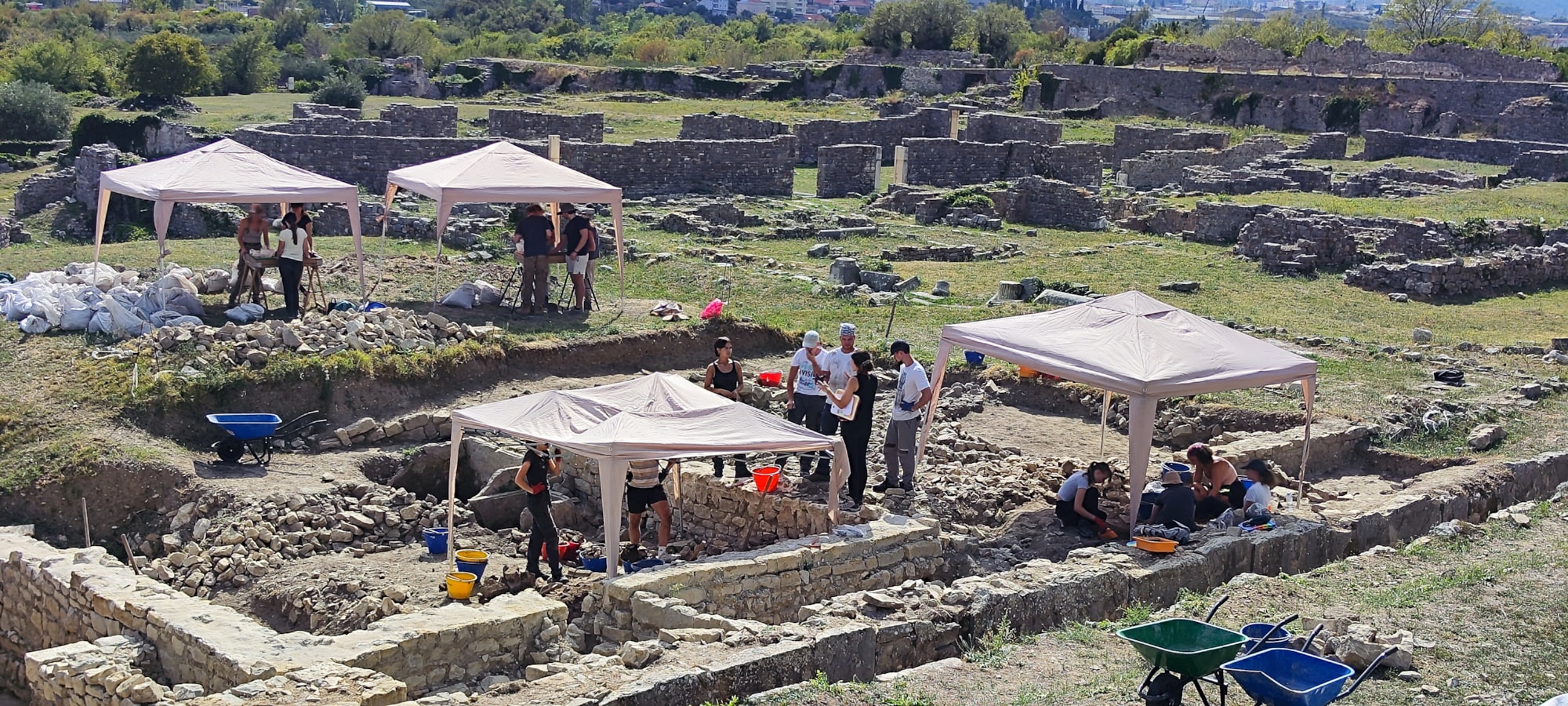
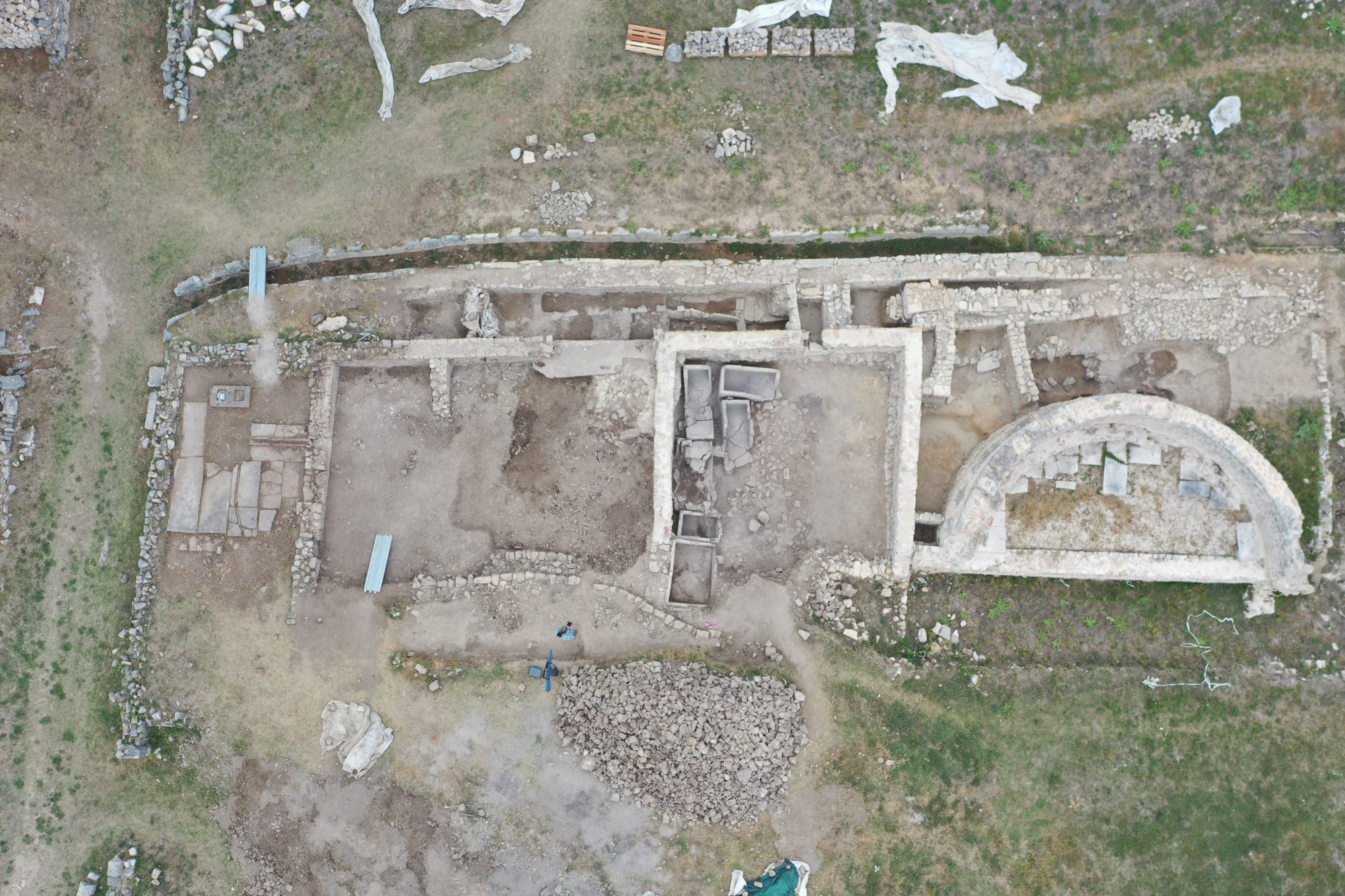
The site revealed several stone basins and accompanying buildings confirming the importance of olive cultivation and oil production in ancient Salona.
(Photo: Archaeological Museum in Split)
Experts believe the discovery reinforces the idea of a long-standing olive-growing tradition in Dalmatia, a heritage that continues to this day.
The production complex, measuring approximately 30 by 15 metres, once handled the entire olive oil-making process, from pressing to storage.
Although seven stone basins were found damaged, likely due to fire, plans are underway for their reconstruction.
“The complex was probably linked to the needs of the church at the time, which used olive oil for lighting and other purposes,” explained Demicheli.
Unexpected Burials Inside City Walls
In a surprising twist, two graves were also found within the city walls – something considered unusual in antiquity, as burials were typically forbidden inside cities.
Archaeologists believe these graves, belonging to an adult male and a young girl from the 4th century, may date from a period of crisis such as war or siege.
(Photo: Archaeological Museum in Split)
Further Work Ahead
Excavations at this section of Salona will continue until 10 October, with work expected to extend over the next three to four years. Researchers plan to preserve and present the site to the public through educational panels and other interpretative materials.
Museum advisor Ema Višić Ljubić highlighted the importance of exploring the eastern section of Salona, which has remained less studied until now.
“We have uncovered an exceptionally significant workshop complex located near the major Christian centre, two basilicas and the bishop’s palace,” Višić Ljubić said.
“The oil production complex dates to the 5th century, with modifications in the 6th century, and was likely used to meet church needs.”
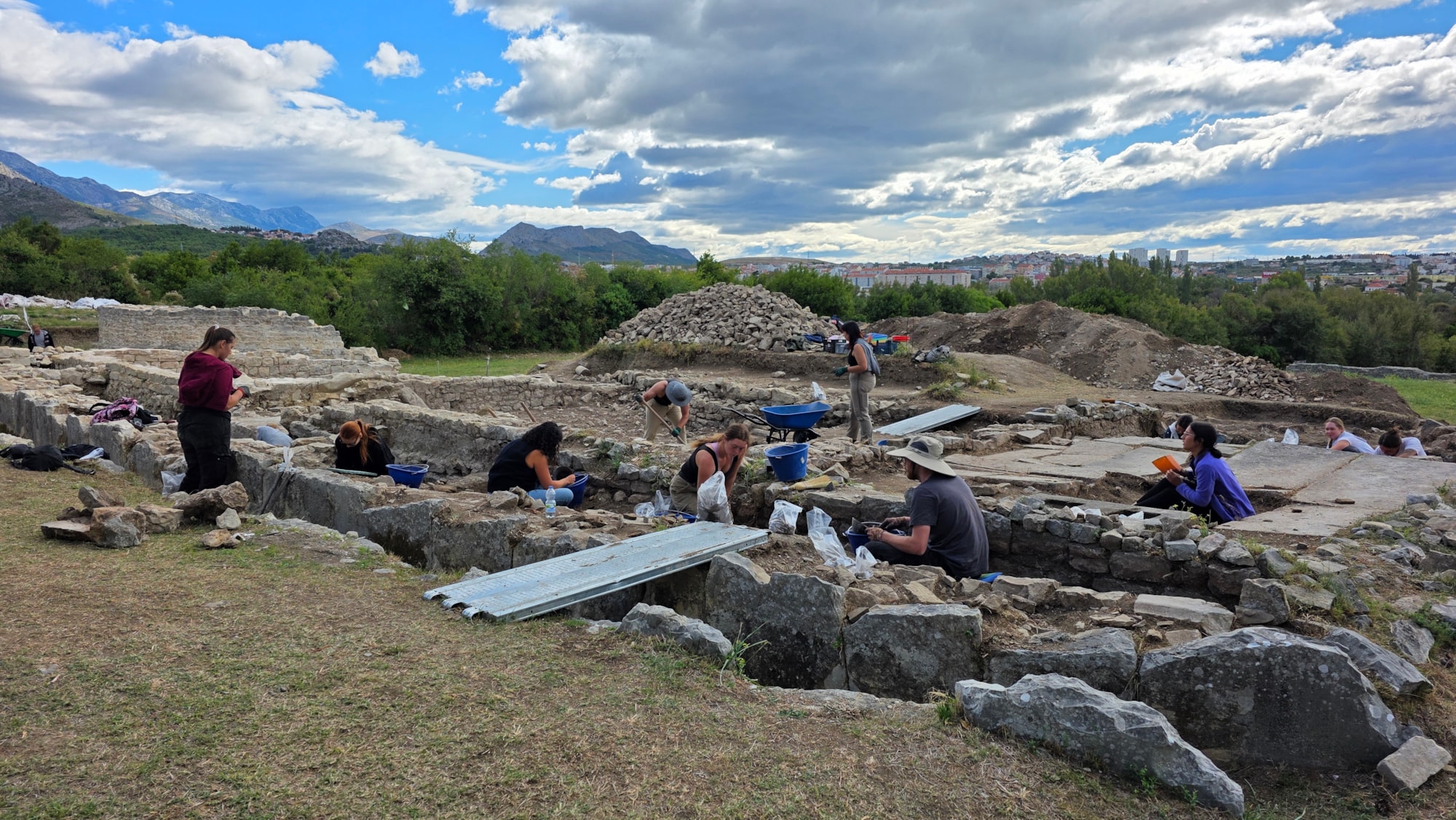
(Photo: Archaeological Museum in Split)
She added that this is a unique discovery in Dalmatia, as no similarly large or complex olive oil processing centre has been documented in the region.
“With great satisfaction, we continue our research, contributing to the understanding of Salona’s history and culture – one of Croatia’s most important archaeological sites,” she concluded.