Mimara Museum reopens after six-year, €75 million restoration
- by croatiaweek
- in Entertainment
(Photo: Ministry of Culture and Media)
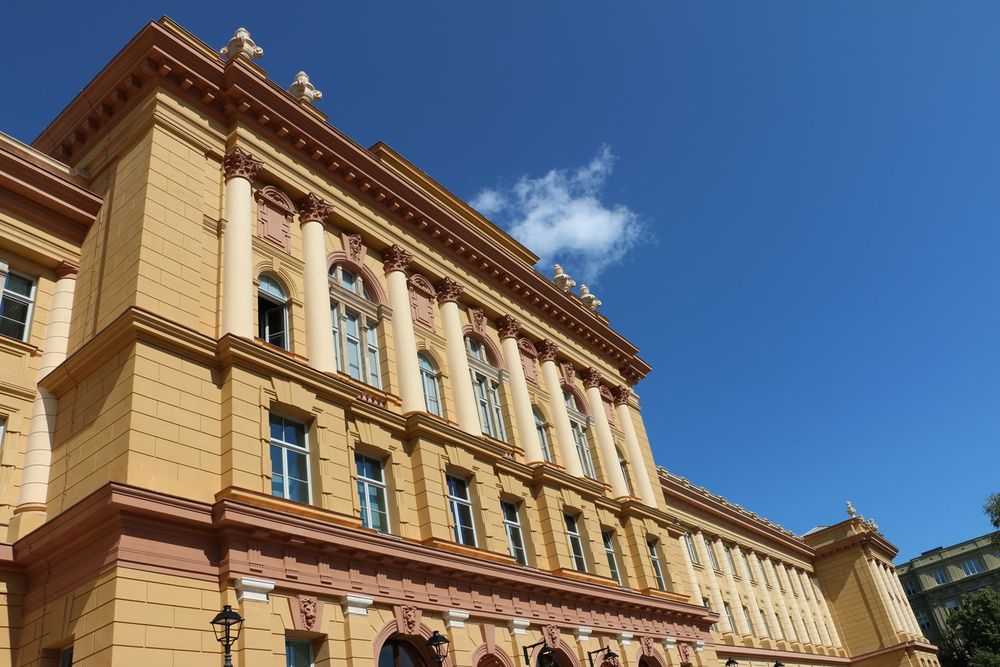
Zagreb’s Mimara Museum has completed a six-year restoration costing approximately €75 million, with the institution preparing to welcome visitors back to its historic building on 7 November.
The restoration marks a major step in the recovery of one of the Croatian capital’s prominent cultural buildings, which underwent extensive work following earthquake damage.
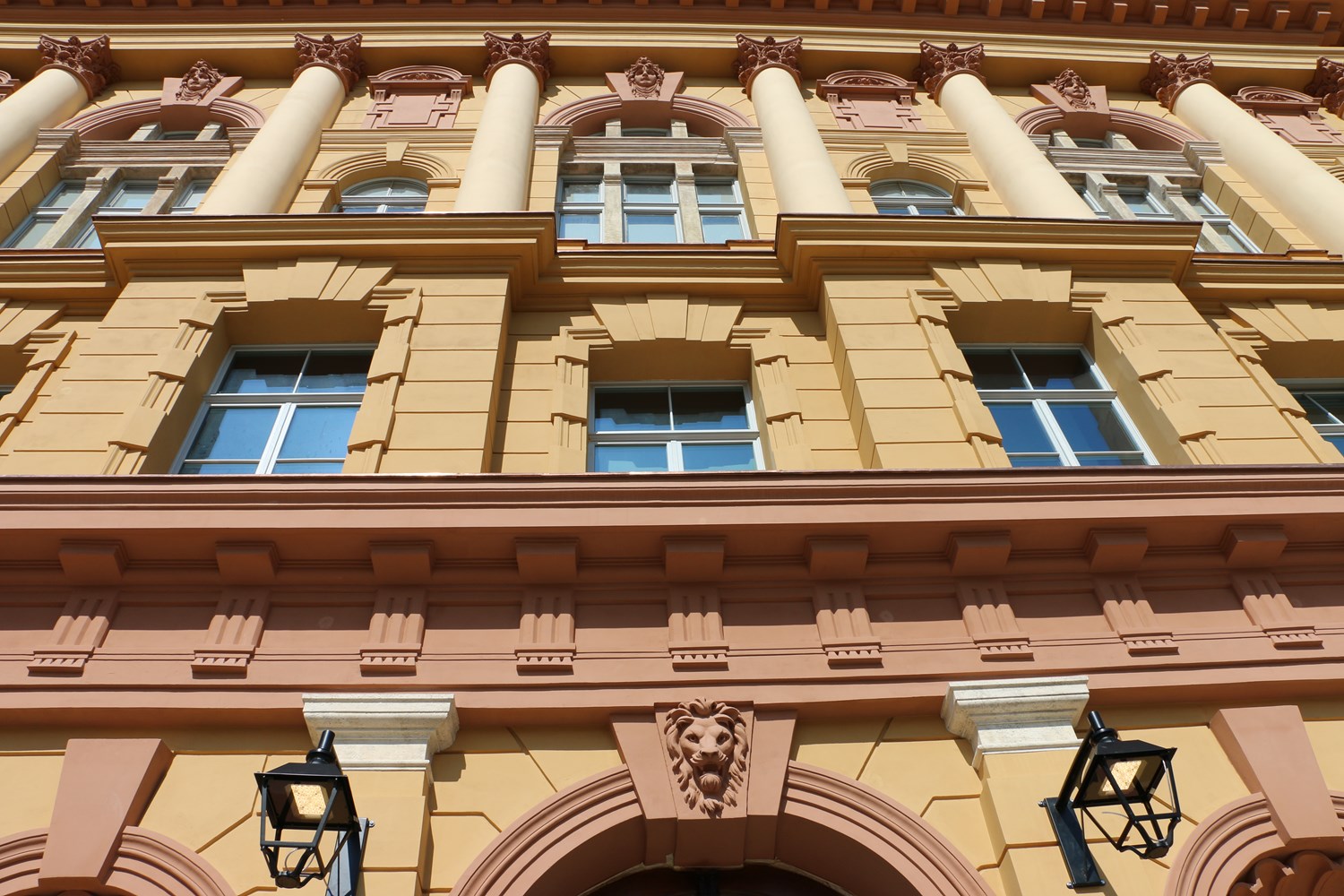
The project restored the building’s original yellow façade and reinstated decorative elements inside and outside the museum.
(Photo: Ministry of Culture and Media)
The work was not limited to the physical structure. The museum has also prepared a new permanent display intended to present its collection in a contemporary format while respecting the building’s historic character.
The museum’s collection is associated with its donor, Ante Topić Mimara, whose gift was intended to contribute to Croatia’s national cultural holdings.

(Photo: Grad Zagreb)
The updated display seeks to present the collection in a way that connects the historic setting with contemporary approaches to museum interpretation.
The restoration has been one of the more substantial cultural-building projects undertaken in Zagreb in recent years, both because of its cost and the scale of the work involved.
Earthquake damage in the capital and surrounding areas created a major reconstruction task for public buildings, cultural institutions and other facilities. The Mimara project is one example of the effort to restore historic architecture while making it suitable for continued public use.
The museum held its formal reopening event last night.
Speaking at the official reopening ceremony, Zagreb Mayor Tomislav Tomašević highlighted the museum’s importance to the city’s cultural identity.

(Photo: Grad Zagreb)
The Mimara Museum houses around 3,800 works of art donated to the Croatian people, representing a range of artistic periods and traditions. Its monumental building has also been a prominent feature of central Zagreb for more than a century.
The building was constructed in 1895, during a period of intensive development in Zagreb following the devastating earthquake of 1880. The museum itself opened in the building in 1987.
Tomašević also pointed to the renovation and extension of the Croatian Natural History Museum, which has already been completed, and the ongoing reconstruction, extension and equipping of the Museum of Arts and Crafts. The latter is expected to return to its renovated building in 2027.

(Photo: Grad Zagreb)
A permanent location has also been secured for the Croatian School Museum at Starčević House, where a new Children’s Culture House is planned.
The mayor said the investments were intended to support the future of Zagreb’s cultural life and provide residents with accessible, modern cultural institutions.
Details of opening hours, ticket prices and the full exhibition programme should be checked with the museum before planning a visit.