Registration, insurance and checks proposed for electric scooters in Croatia
- by croatiaweek
- in News
ZAGREB, 6 October 2026 (Hina/Andrej Matijašević) – Electric scooters in Croatia could face new requirements including registration, compulsory insurance and periodic technical inspections under proposals put forward by traffic experts amid growing concerns over road safety.
The proposals were presented at the ninth Congress of Court Experts in Zagreb by traffic experts Krunoslav Ormuž and Robert Spudić, who warned that existing legislation is struggling to keep pace with increasingly powerful and faster electric scooters.
The discussion comes as Croatia considers tighter rules for the increasingly popular vehicles. Interior Minister Davor Božinović has also announced that changes to the existing regulations are being prepared.
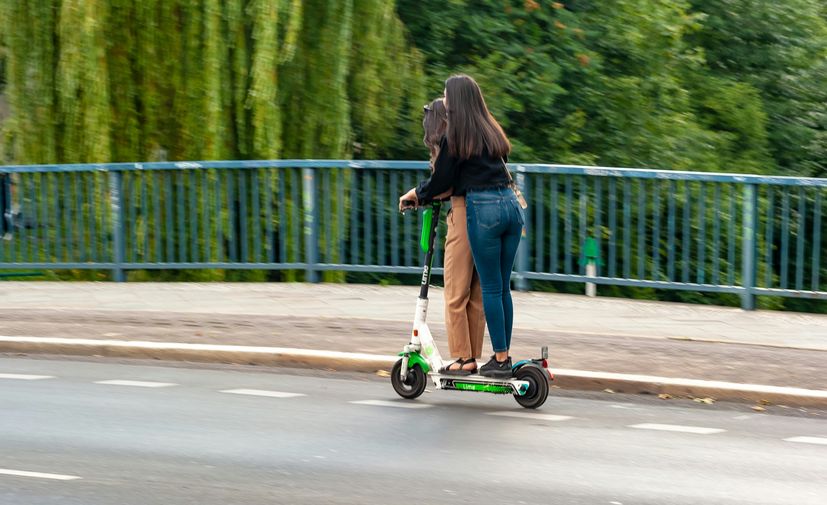
One recent accident in Dugo Selo has again highlighted some of the concerns surrounding electric scooters. Footage showed two minors riding on the same scooter before colliding with a car and being thrown over its bonnet. They sustained minor injuries.
The incident raised questions about several common safety issues, including carrying two people on one scooter and failing to follow basic traffic regulations.
The experts said improving safety should involve more than police checks on individual riders.
One proposal is to introduce a system recording electric scooters and linking each vehicle to its owner. A registration or identification number connected to the scooter’s frame could make it easier to establish ownership after an accident, rather than leaving the vehicle effectively anonymous.
Insurance and technical inspections
The introduction of compulsory insurance is another proposal. Experts say this could help address compensation when an electric scooter causes injury to another person or damages property.
Periodic technical inspections would provide an additional safety check before scooters are used on public roads.
Such inspections could cover the frame, tyres, brakes and lighting, as well as the battery, electrical systems and any modifications that may have increased the vehicle’s power or speed.
The experts also highlighted the availability of electric scooters capable of significantly exceeding Croatia’s legal limits.
Under current rules, electric scooters classified for use in this category are limited to a maximum power of 0.6 kilowatts and a speed of 25 kilometres per hour.
Models capable of substantially higher speeds and power can nevertheless be purchased on the market. The experts stressed that owning such a vehicle does not automatically give the owner the right to use it in road traffic.
Growing concern over modified scooters
The combination of higher speeds, small wheels and the lack of physical protection for riders can significantly increase the consequences of an accident, particularly when riders misjudge their speed or road conditions.
Modifications designed to increase power or speed are also a particular concern because they can change the characteristics of a vehicle beyond those for which the existing rules were designed.
The proposed measures were presented by the Croatian Society of Court Experts and Assessors as part of a wider discussion on road safety.
Changes to the legislation are currently undergoing public consultation.
Traffic experts argue that clearer requirements for identification, insurance and technical safety could help authorities establish greater accountability while reducing risks associated with increasingly capable electric scooters on Croatian roads.
The debate comes as electric scooters become an increasingly visible form of urban transport in Croatia and elsewhere in Europe, putting greater focus on how authorities regulate their use alongside pedestrians, cyclists and other road users.