New rules to put traditional Croatian crafts on the map
- by croatiaweek
- in Business
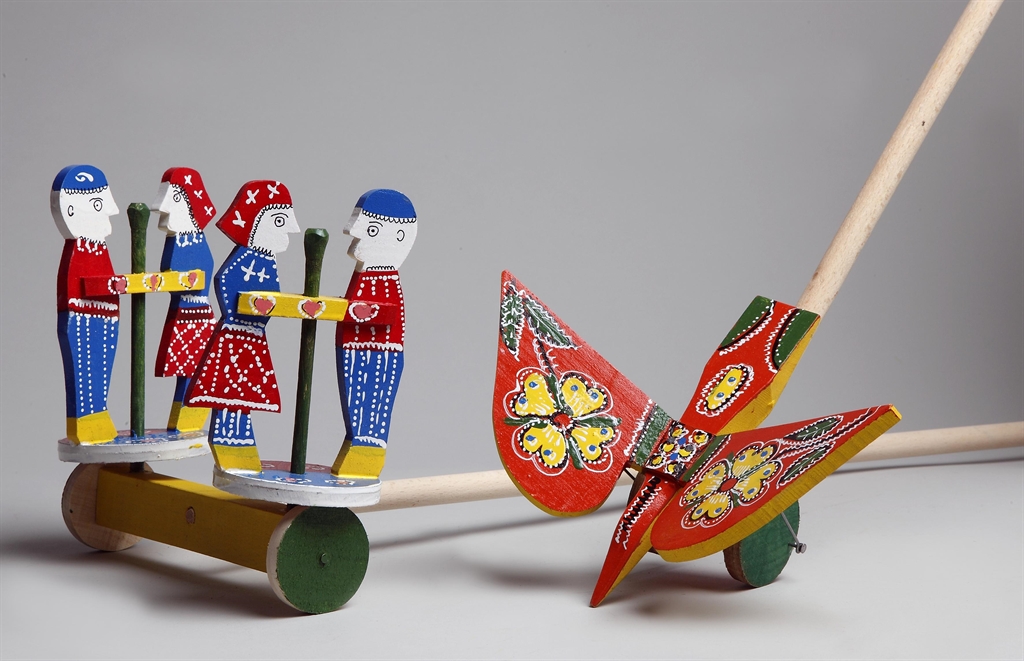
(Photo: Wooden toys of Hrvatsko Zagorje/TZ)
ZAGREB, 9. December 2025 (Hina) – Croatia’s celebrated craft heritage, from lace and licitars to wooden toys and crysta, has received a major boost with the introduction of a new EU system for protecting the geographical origin of artisanal and industrial products.
As of 1 December, Regulation (EU) 2023/2411 has come into force, allowing producers of traditional craft items across the EU to apply for a protected geographical indication (PGI).
Until now, only food and agricultural products such as pršut, kulen and mlinci could receive such EU-level protection.
The new framework puts items such as Samobor crystal, Dalmatian traditional jewellery, wooden toys from Hrvatsko Zagorje and various forms of Croatian lace in the same category as renowned European products like Czech crystal, Limoges porcelain and Carrara marble.
Croatia has long been recognised for its strong craft culture, and expectations are high that it will mirror its success in protecting traditional foods.
Around 50 Croatian agricultural and culinary products already hold EU protected status.
The Croatian Chamber of Trades and Crafts (HOK) has identified a wide range of items that could seek protection.
These include Benkovac and Brač stone, Hvar agave lace, Pag, Lepoglava, Sveta Marija and Primošten lace, Samobor crystal, the iconic Šestine umbrella, traditional wooden toys from Zagorje, licitars and the Betina gajeta.
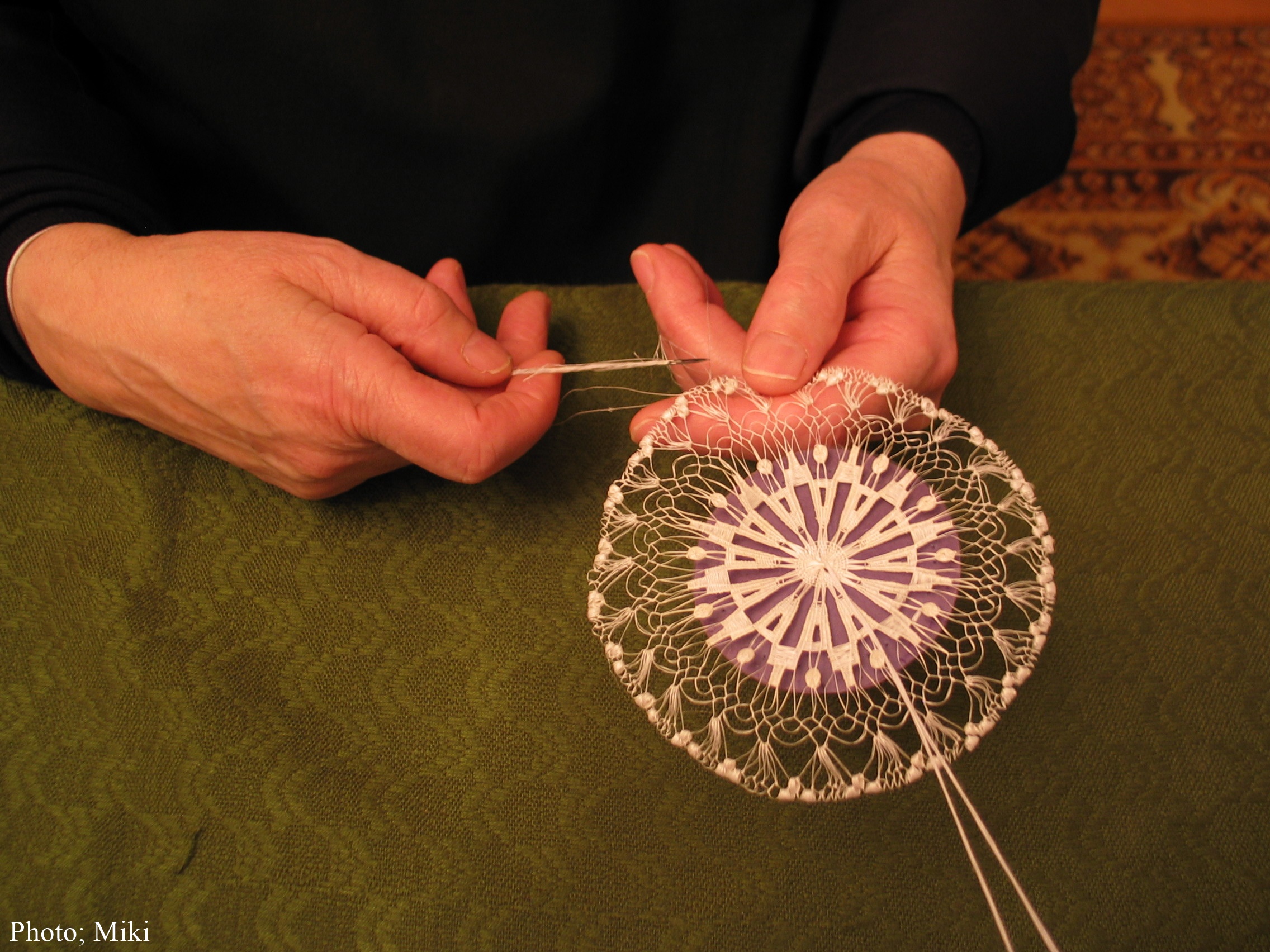
Hvar Lace (Photo: Miki Bratanić)
These are exactly the types of products the new EU regulation aims to support, those that embody the culture, heritage and craftsmanship of their region of origin.
How the New System Works
The protection process will involve two stages: national and European. In Croatia, the State Intellectual Property Office will handle applications and liaise with the EU Intellectual Property Office, which will make the final decision on registration.
A detailed rulebook, currently under public consultation, will define the application process and required documentation.
The Customs Administration will also play an important role in monitoring the market and preventing misuse or counterfeiting of protected names.
Artisans Still Unaware of the Opportunity
Despite the significance of the change, many Croatian artisans remain unaware that their products may now qualify for EU-wide protection.
Among them is Đurđica Slamek, mayor of Sveta Marija and holder of rights to Sveta Marija lace, which received national protection in 2010.
She says she will look into the new possibility, especially given how previous protection helped preserve the craft, prevent renaming attempts and curb counterfeiting.
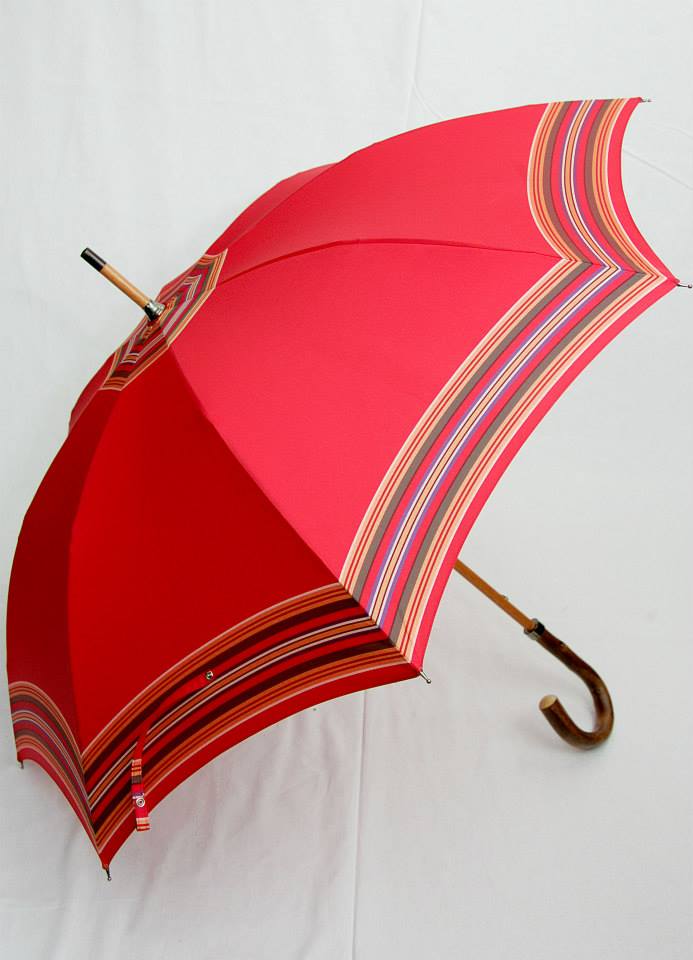
Šestine Umbrella (Photo credit: Cerovečki Crafts)
Securing protection, she notes, required considerable effort from the community, including research into historical and material evidence. Still, the benefits proved substantial for safeguarding the lace-making tradition.
Licitars, the brightly coloured heart-shaped cookies recognised by UNESCO, are also considered strong candidates.
But Valentina Gladović Nedić of the family-run Slavica craft workshop in Klenovnik says any decision will depend on discussions within the family and potential cooperation among licitar producers. Without joint effort, she believes obtaining EU status would be challenging.
To help artisans navigate the new system, HOK and the State Intellectual Property Office have already hosted a conference on the subject and will soon launch free webinars.
Invitations and recordings will be distributed to craftspeople via internal communication channels, and HOK’s advisory service will remain available for ongoing support.
Croatian MEP Tonino Picula, who has long championed the protection of traditional products, expects the process to be demanding but worthwhile.
He emphasises that clearly defining product specifications is often the most challenging step, as standards must be strict enough to ensure authenticity but not so rigid that few can meet them.
Picula notes that EU-level evaluation allows for objections from other producers, reflecting the competitive sensitivities typical in such cases. The long-running dispute with Italy over the name prošek is a clear example of how strongly member states defend their traditional products.
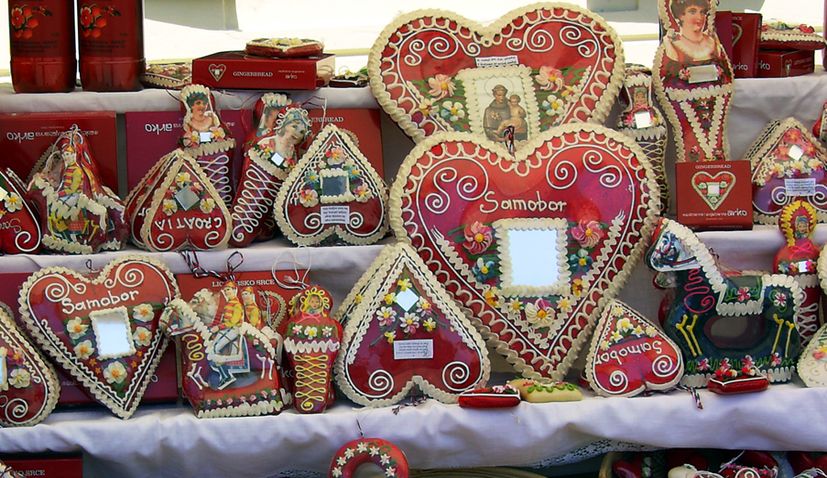
Licitar hearts (Photo credit: Robert Majetic /CC BY-SA 2.0)
Despite the complexities, he stresses that thorough debate and detailed legislation are essential to protecting cultural heritage across the EU.
A New Era for Croatian Crafts
With the EU’s new rules now in place and national procedures being finalised, Croatia’s artisans have an unprecedented opportunity to secure international recognition for their traditional skills.
If embraced, the system could help preserve centuries-old crafts, strengthen the identity of local communities and bring Croatian craftsmanship to a wider European audience.