French chef comes to Croatia and finds one ingredient he cannot get enough of
- by croatiaweek
- in Food & Wine
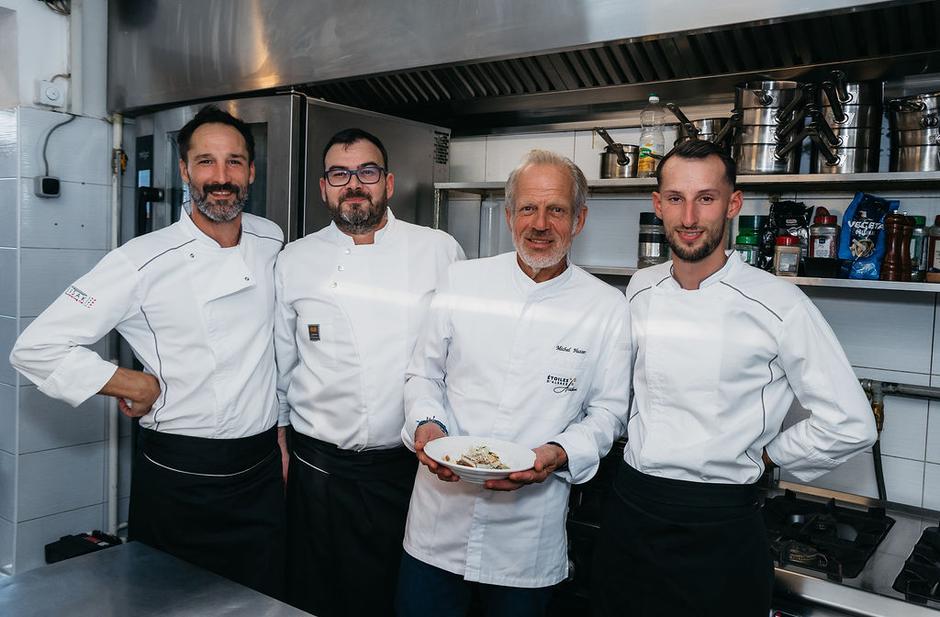
Skenderica 1912 (Photo: Press)
French chef Michel Husser has highlighted the potential of Croatian ingredients after bringing his approach to fine dining to Zagreb for a special culinary event.
Husser cooked for guests at Skenderica 1912, creating a menu that combined French culinary techniques with Croatian and seasonal ingredients.
The event was presented as a meeting between French and Croatian cuisine, with neither tradition attempting to dominate the other.
Instead, Husser adapted his techniques to ingredients sourced in Croatia.
During his stay, the chef visited Croatian markets and met small producers.
He said those encounters convinced him that Croatia has significant potential when it comes to high-quality local food.
Rather than focusing exclusively on luxury ingredients, Husser said he was particularly interested in working with smaller producers whose products reflect local knowledge and passion.
Among the Croatian flavours that made an impression on him was paprika and ajvar, Miss Gastro reported.

Skenderica 1912 (Photo: Press)
The traditional roasted red pepper spread, popular in the region, was singled out by the French chef as one of the ingredients he particularly enjoyed.
The Zagreb dinner demonstrated how relatively simple local ingredients can be incorporated into sophisticated modern cuisine.
The menu included a pastry-inspired opening course, a terrine of confit vegetables, goat’s cheese, seasonal vegetable dishes, pike-perch and a main course of caramelised duck.
Dessert was created by pastry expert Christian Cottard.

French chef Michel Husser (Photo: Press)
Husser’s approach is based partly on transforming ordinary ingredients through technique rather than relying solely on expensive products.
He explained that while fine dining can involve ingredients such as lobster, foie gras and caviar, he prefers working with simple local products and giving them new value through preparation and flavour.
That philosophy has particular relevance for Croatia, where a large number of small producers make ingredients with strong regional identities.
From Slavonian paprika and olive oil to Istrian truffles, Dalmatian seafood and island produce, Croatia has developed an increasingly diverse food identity.
International chefs can help bring those ingredients to a wider audience.

Skenderica 1912 (Photo: Press)
For Croatian producers, such attention can also strengthen the connection between local agriculture and premium gastronomy.
The Zagreb dinner therefore offered more than a one-off culinary experience.
It highlighted a wider trend in Croatian gastronomy: the increasing confidence of chefs and producers in using local ingredients as the foundation for internationally influenced cuisine.

Bruno Pavlic, Sladjana Novakovic, Marija Pavlic, Michel Husser, Ana Lisak (Photo: Press)
Husser’s interest in Croatia’s small producers also reflects a growing international appetite for food with a clear sense of place.
And his particular appreciation for paprika and ajvar provided a reminder that ingredients familiar to Croatian households can also find a place in sophisticated European gastronomy.

Skenderica 1912 (Photo: Press)