New study finds ‘forever chemicals’ in blood of all 10 Croatian participants
- by croatiaweek
- in News
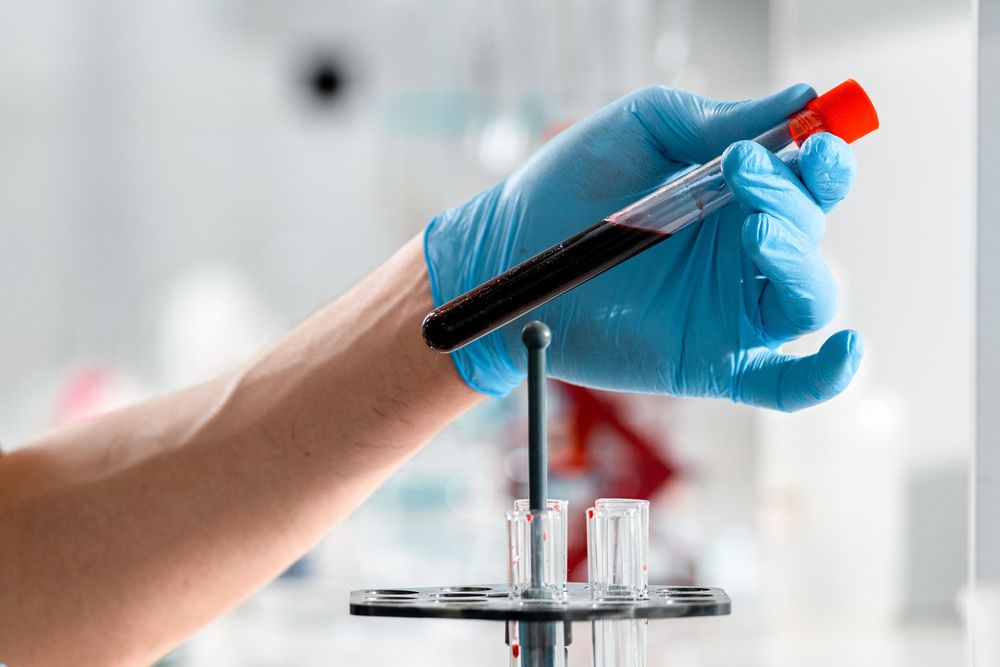
ZAGREB, 2 October 2026 (Hina/CW) – PFAS “forever chemicals” have been detected in the blood of all 10 Croatian participants in a new European study, with six recording combined levels of four long-chain PFAS compounds above a health-based reference value established by the European Food Safety Authority (EFSA).
The study tested 110 people across nine European Union countries, including seven participants from Gospić, two from Knin and one from Pula.
Researchers examined participants for several types of per- and polyfluoroalkyl substances (PFAS), a large group of chemicals widely used in industrial and consumer products and known for their persistence in the environment.
Across the full group, all 110 participants had detectable levels of four long-chain PFAS compounds – PFOA, PFOS, PFNA and PFHxS. A total of 27 people, or 25%, had combined concentrations above the EFSA health-based reference value.
Among the 10 Croatian participants, six were above that reference level. Five of the seven participants from Gospić were among those recording elevated levels.
The researchers also detected ultra-short-chain PFAS compounds, including trifluoroacetic acid (TFA), in participants across the study. According to findings presented in Brussels on Thursday, TFA levels were higher than those reported in previous human testing.
TFA was detected in all 110 participants. Researchers involved in the study said the findings demonstrate widespread human exposure to PFAS, while stressing that the results need to be interpreted carefully.
The Croatian sample is too small to be considered representative of the wider population. The researchers said at least 20 to 30 participants per country would be needed to identify even moderate differences between countries.
The findings also do not establish that individual participants will develop health problems as a result of the levels detected, nor do they identify a specific source of exposure.
PFAS exposure can occur through drinking water, food and other environmental sources, while individual compounds can behave differently in the human body.
The results have also drawn attention in Croatia because several participants came from Gospić. However, the study does not establish a connection between their blood results and the separate illegal waste case in the Lika region.
The study was commissioned by the Greens/European Free Alliance group in the European Parliament, with researchers from Vrije Universiteit Amsterdam involved in interpreting the results.
Croatian MEP Gordan Bosanac presented the findings in Brussels and called for larger-scale PFAS testing across the EU, including a national screening programme in Croatia.
He also called for tighter restrictions on PFAS and for the EU to develop a strategy for dealing with PFAS-contaminated waste.
The findings add to growing European scrutiny of PFAS, their widespread presence and the long-term challenges associated with their persistence in the environment.