Croatia’s obesity rate reaches 16.5% – why the figure is rising
- by croatiaweek
- in News
Croatia’s adult obesity rate reached 16.5% in 2025, slightly above the European Union average of 16.3%, according to newly released Eurostat data.
The figures show that 16.3% of people aged 18 and over across the EU were obese, defined as having a body mass index (BMI) of 30 or higher. A further 35.4% were classified as pre-obese, with a BMI between 25 and 30.
Taken together, more than half of the EU’s adult population was either overweight or obese.
Men were more likely to be affected than women. The obesity rate was 17.4% among men, compared with 15.3% among women. Men were also more likely to be pre-obese, at 41.9%, compared with 29.3% of women.
The highest obesity rates were recorded in Malta, where more than a quarter of the population was obese (26.6%). The next highest rates were in Latvia (24.6%) and Finland (23.2%). The lowest rates were recorded in Italy (7.0%), Greece (12.8%) and Romania (12.9%).
Croatia’s figure of 16.5% places it close to the EU average, although the latest statistics are only one measure of a much broader health and lifestyle issue.
Why is the rate increasing?
There is no single reason for rising obesity. Public health experts generally point to a combination of diet, physical activity, lifestyle, food availability and the wider environment.
In Croatia, the way people eat has changed considerably over recent decades. Traditional Croatian diets included plenty of seasonal vegetables, legumes, fish and home-cooked meals, although traditional cuisine also contains calorie-dense foods such as bread, pasta, potatoes, pastries, cured meats and desserts.
Today, people also have much easier access to processed food, takeaway meals, snacks, sugary drinks and bakery products.
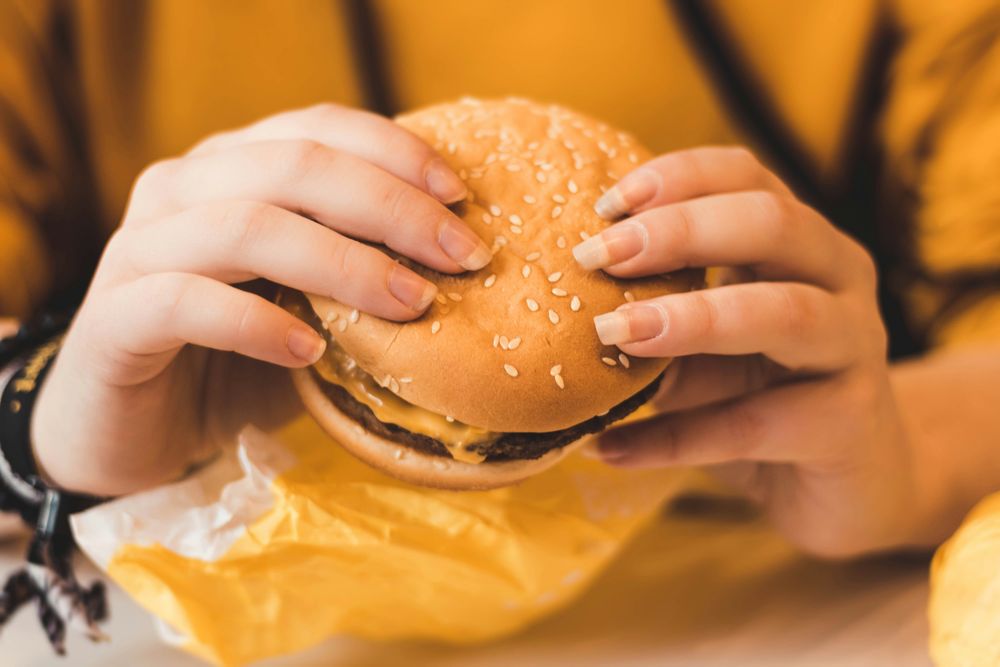
The growth in the number and availability of bakeries is one visible change in the food environment. A quick pastry, sandwich or other bakery product is convenient and relatively inexpensive, particularly for people with busy working and school schedules.
This does not mean that bakeries or individual foods are responsible for obesity. Rather, the wider availability of energy-dense food can make it easier for people to consume more calories than they use.
A Croatian study by the Croatian Institute of Public Health (HZJZ) and UNICEF found that children travelling to and from primary schools are exposed to numerous advertisements for sugary drinks, sweets, salty snacks, bakery products and fast food. The study also noted that such marketing can influence children’s food preferences and purchasing habits.
In 2025, 16.3% of people in the EU aged 18 or over were obese, meaning that they had a body mass index of 30 or higher. ⚖️
Highest in:
🇲🇹 Malta (26.6%)
🇱🇻 Latvia (24.6%)
🇫🇮 Finland (23.2%)Lowest:
🇮🇹 Italy (7.0%)
🇬🇷 Greece (12.8%)
🇷🇴 Romania (12.9%)➡️ https://t.co/vpqoz5VDuj pic.twitter.com/W9cpyYC7mo
— EU_Eurostat (@EU_Eurostat) September 4, 2026
Another important change is how much people move.
Modern life requires less physical effort than it once did. Cars, public transport, office-based work, home deliveries and digital services mean that many everyday tasks require considerably less walking or physical activity.
WHO data have previously highlighted low levels of physical activity among Croatian adults. In 2019, only around one in five adults reported completing at least 150 minutes of physical activity per week, compared with about one-third across the EU.
The Croatian Institute of Public Health has also stressed that physical inactivity combined with an unhealthy diet is an increasingly important risk factor for overweight and obesity.
The changes are particularly significant for children.
Screens have become a normal part of childhood, with smartphones, tablets, computers, gaming and streaming replacing some activities that previously involved more movement or outdoor play.
Croatian health data have recorded changes in children’s screen time and physical activity. HZJZ data from the CroCOSI monitoring programme showed that during the pandemic, more than one-third of children spent more free time in front of screens than usual, while around one-third spent less time actively playing.
The wider issue has continued to attract attention. HZJZ reported in 2026 that 36.1% of eight-year-old children in Croatia had overweight or obesity, based on monitoring data, while its World Obesity Atlas figures estimated that around 153,000 Croatian children aged five to 19 were living with overweight or obesity in 2025.
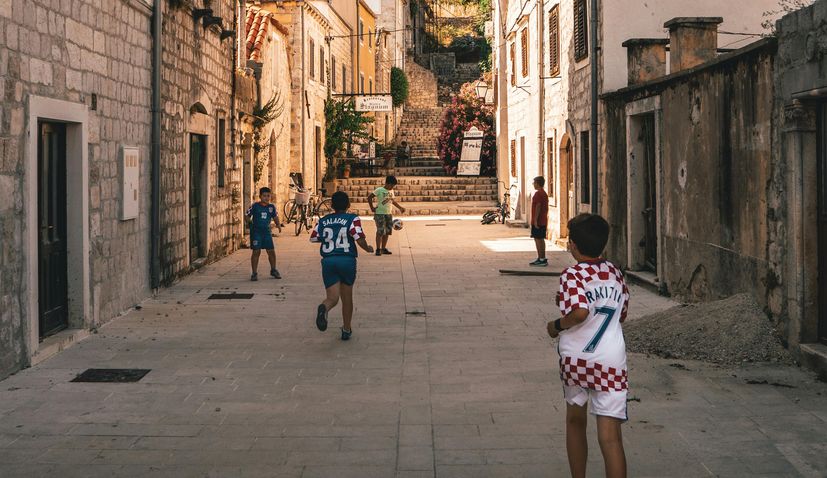
How children spend their free time is key
These figures do not mean that today’s children are necessarily less healthy in every respect. They do, however, illustrate how childhood environments have changed.
There is a common perception that food in Croatia was healthier in the past. The reality is more complicated.
Traditional Croatian cooking could be nutritious and based heavily on seasonal and locally available ingredients, but it also included foods rich in carbohydrates, fat and salt.
What has changed most significantly is choice, convenience and frequency.
People today can eat outside the home more often, buy prepared food at almost any time, order meals to their homes and consume snacks throughout the day. At the same time, many people spend more hours sitting at work, travelling by car or using digital devices.
Eurostat uses BMI as the basis for its classification, with adults considered obese when their BMI is at least 30. People with a BMI of 25 to less than 30 are classified as pre-obese.
The figures underline a wider European challenge: more than half of adults in the EU are now either overweight or obese.
For Croatia, the 16.5% figure is therefore not simply a statistic about body weight. It reflects broader questions about how people eat, how much they move, how children spend their free time and how the country’s food environment is changing.
Public health authorities increasingly emphasise prevention, healthier diets and regular physical activity from an early age. HZJZ has also introduced programmes aimed at strengthening prevention and early intervention for childhood obesity.
As Croatia becomes more urban, digital and convenience-oriented, the challenge will be finding a balance between the benefits of modern life and some of the healthier habits associated with a more active everyday lifestyle.